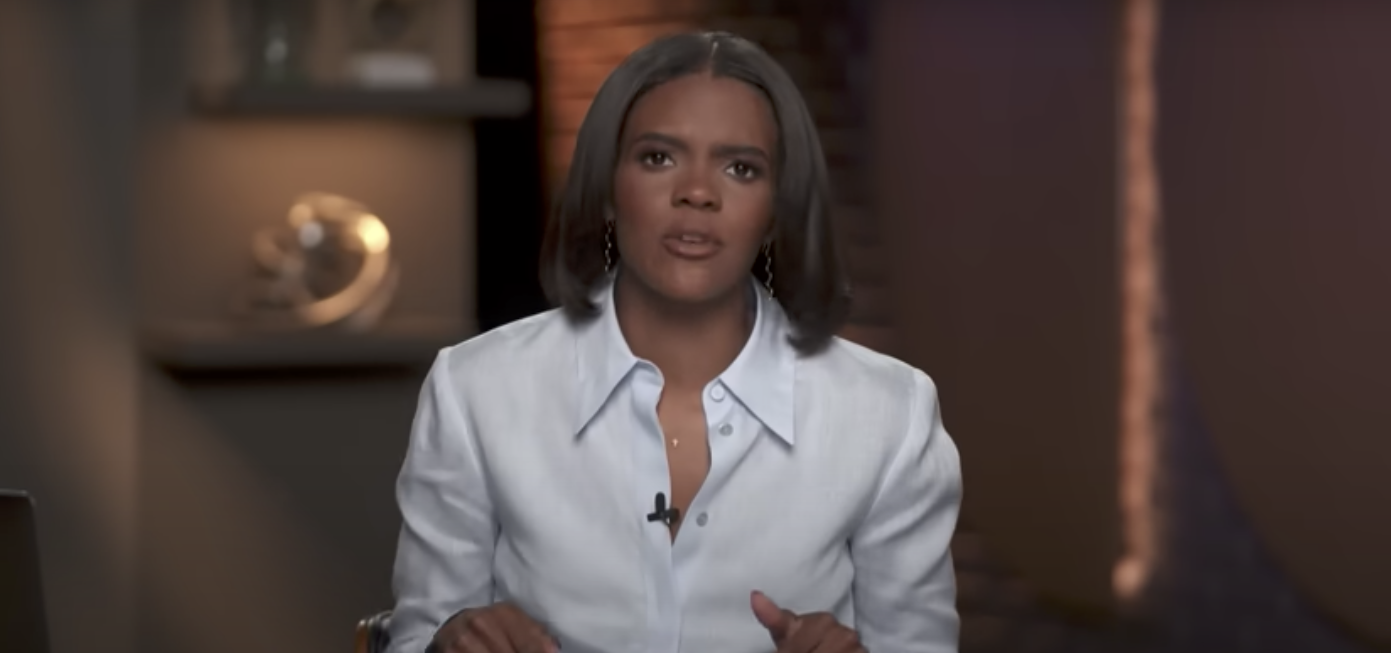
Conservative commentator Candace Owens is pushing a provocative and controversial theory: that Turning Point USA, the organization founded by the late Charlie Kirk, may be withholding footage that could implicate—or exonerate—its own involvement in the assassination.
Her remarks have triggered intense scrutiny inside right-wing circles, prompting rebukes from allies and raising questions about the narratives forming around Kirk’s murder.
Owens pressed the accusation during a recent appearance, saying she “doesn’t understand” why Turning Point won’t release video recordings from the crime scene or related security footage. In her view, such tapes should logically clear the organization of wrongdoing—unless, she implied, they have something to hide.
“If somebody is saying you are guilty … and you have footage that in theory should vindicate yourself, why wouldn’t you release it?” Owens asked on her show. She insisted that the excuse of federal rules preventing release doesn’t hold water, asserting: “Last I checked, the feds cannot bring charges for releasing footage you own.”
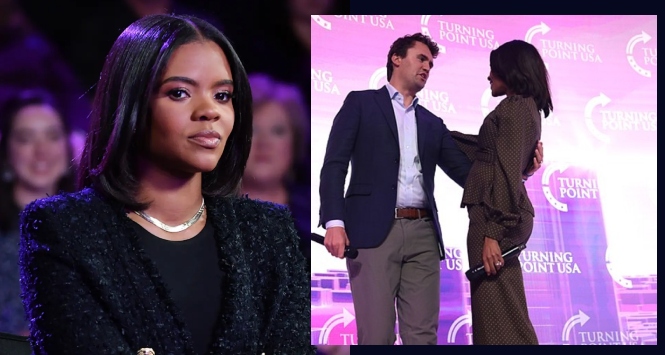
Owens’ Theory Meets Pushback
While Owens’ speculations tap into the larger undercurrents of conspiracy swirling around Kirk’s killing, they’ve drawn sharp criticism.
“Even though I don’t agree with a lot the stuff she puts out into the world I fell like loosing her friend so abruptly I think she’s having trouble processing grief,” someone commented on social media.
Kirk’s own pastor, Rob McCoy, publicly rebuked Owens, calling her claims a betrayal. He reminded listeners of Kirk’s sympathetic stance toward her—even amid differences—and urged restraint amid grief.
Observers note that the growing field of conspiracy theories around the murder—fueled by limited transparency—makes it easier for such claims to spread.
Fact-checkers and media critics have warned that unverified allegations risk undermining investigations and inflaming divisions before the evidence is fully assessed.
Turning Point USA has not publicly confirmed whether such footage exists or whether it has been shared with law enforcement.
Meanwhile, major outlets covering the transition of displays, cleanups, and missing video elements at the Kirk crime scene only add fuel to the swirl of skepticism.
The Stakes of Secrecy
Owens’ theory touches a raw nerve in the broader narrative of the Kirk assassination: who gets to control the story. For many in conservative circles, the act of withholding material—even if legally justified—is seen as a step toward obfuscation. But critics warn that such secrecy also opens the ground for speculation, distortion, and political weaponization of grief.
This all plays into a combustible mix: a prominent conservative figure is murdered, the suspect arrested, but resolution remains distant. Into that void step conspiracy theories, prompted sometimes by incomplete evidence, sometimes by ideology—and sometimes by people with motives we don’t fully understand.