When Debbie Allen walked into The Breakfast Club this week, she reminded the world that A Different World was more than a sitcom.
It was a cultural awakening, deeply rooted in the spirit of historically Black colleges and universities, and powered by the revolutionary energy she brought from her days at Howard University.
“I was brought in to fix it,” Allen said of the show, which had already completed one season before she took over as producer and director. “I had that HBCU experience, which none of the people there had. I went to Howard University.”
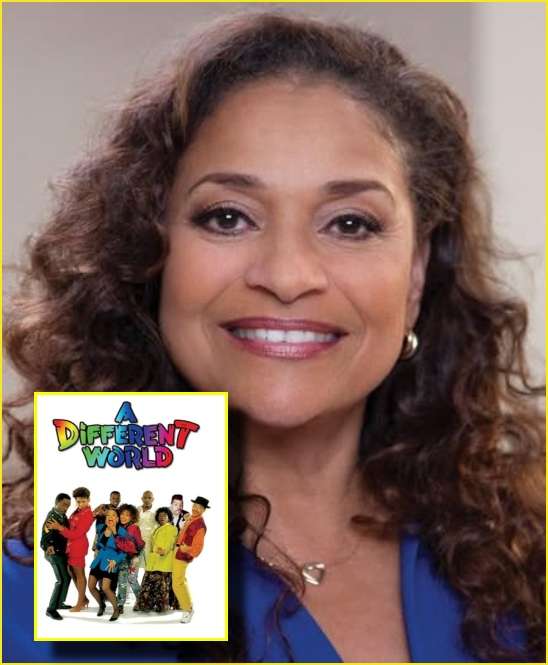
And it showed. Under her creative direction, A Different World transformed from a light college comedy into a bold, unapologetic reflection of Black life, identity, and activism.
Allen recalled her days at Howard in the late 1960s, an era defined by social protest and the fight for racial justice.
“We were the first school to take over the A Building,” she said, referring to the historic 1968 student protest that demanded the establishment of a Black studies program. “We pulled up the gate and threw it on the dean’s desk… We didn’t think about dying or anything like that.”
That lived experience would later shape the heart and soul of A Different World, which tackled real-life issues, racism, sexism, colorism, AIDS, police brutality, and the L.A. riots, with compassion and intelligence rarely seen on prime-time television.
“When I came into A Different World, we could no longer do shows about people walking around holding eggs,” Allen told hosts DJ Envy, Charlamagne Tha God, and Jess Hilarious. “We had to do shows that were culturally relevant, socially responsible, and still a lot of fun—and we did that.”
The show’s iconic storylines entertained and educated the audience. With episodes like “Mammy Dearest” and “No Means No,” Allen and her team challenged stereotypes and brought conversations from Black campuses to mainstream audiences.
Her partnership with showrunner Susan Fales-Hill was pivotal.
“Susan is one of the most incredible writers on this planet,” Allen said. “There was so much talent and energy. Together, we engaged—and I was always in the principal’s office with the network,” she laughed. “They called me in because I took it from a sitcom to a social movement.”
Today, decades later, A Different World remains a touchstone for generations of Black students who chose HBCUs after seeing Whitley, Dwayne, Freddie, and Ron on screen.
Allen’s message to young people was clear: art is activism when it’s honest.