A former top executive at the Jackson Health Foundation has been sentenced to more than six years in federal prison after admitting to embezzling more than $1 million from the nonprofit organization that raises money for Miami-Dade County’s public health system.
Charmaine Gatlin, 52, a former Weston resident and the foundation’s chief operating officer, pleaded guilty to stealing funds intended to support patient care.
On Wednesday, Dec. 10, 2025, a federal judge sentenced Gatlin to more than six years behind bars and ordered her to pay $6.9 million in restitution.
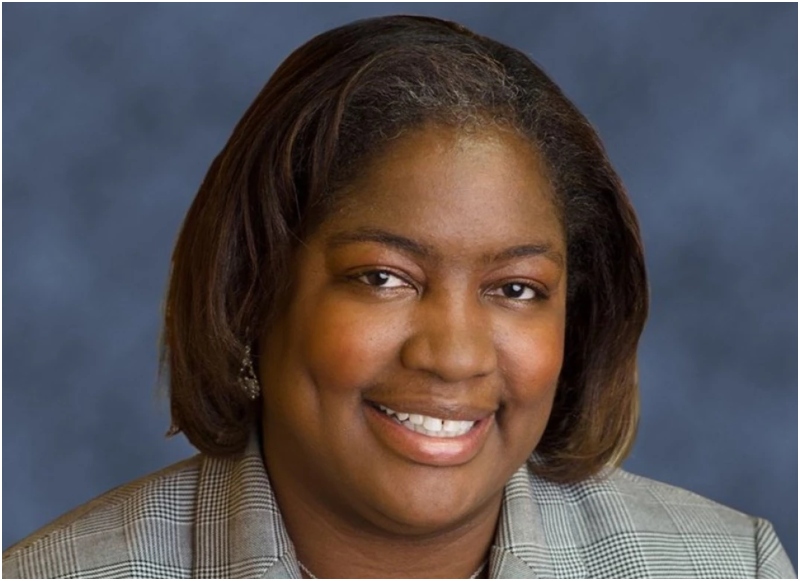
Federal prosecutors said Gatlin orchestrated the scheme between 2014 and 2024 by submitting fraudulent invoices and accepting kickbacks while overseeing operations at the foundation, which supports Jackson Health System through philanthropic donations, sales taxes, and federal funding.
According to the indictment, Gatlin approved roughly $2 million in invoices to a Georgia-based audiovisual company for services that were never performed. Prosecutors allege the vendor then paid Gatlin about $1 million in kickbacks, money she used in part to cover personal credit card bills. Emails cited in court filings show Gatlin allegedly coached the vendor on how to falsify invoices.
Prosecutors further accused Gatlin of billing the foundation for luxury purchases through a merchandise vendor, including Louis Vuitton and Gucci handbags, Apple electronics, and even a rose-gold golf cart delivered to her home in Weston in September 2023.
Gatlin faced one count of conspiracy to commit wire fraud, 26 counts of wire fraud, and five counts of money laundering. Each wire fraud charge carried a potential sentence of up to 20 years in prison, while the money laundering counts carried up to 10 years each.
Jackson Health CEO Carlos Migoya addressed the court, stressing that Gatlin’s actions harmed vulnerable patients. “She took from real people with real needs,” Migoya said.
Speaking later to CBS News Miami, Migoya said the case has shaken donor confidence but vowed to restore trust.
“The biggest issue is not just the money we’ve lost, but the reputational damage,” he said. “We want donors to know that every dollar they give goes back to caring for patients.”
Gatlin’s attorney, David Howard, said his client is remorseful.
“Mrs. Gatlin is extremely repentant and apologizes to all those who were harmed and whose trust she violated,” he said.
Gatlin was taken into custody immediately following sentencing. In court, she told the judge she plans to write a book, with proceeds going toward repaying part of the restitution owed to Jackson Health.
The case demonstrates the severe legal consequences of nonprofit fraud and the lasting damage financial crimes can inflict on public trust in healthcare institutions.