A troubling investigation by CNN and ProPublica is shedding light on a controversial and little-known legal practice in the United States: judges intervening in childbirth decisions when pregnant women refuse recommended cesarean sections.
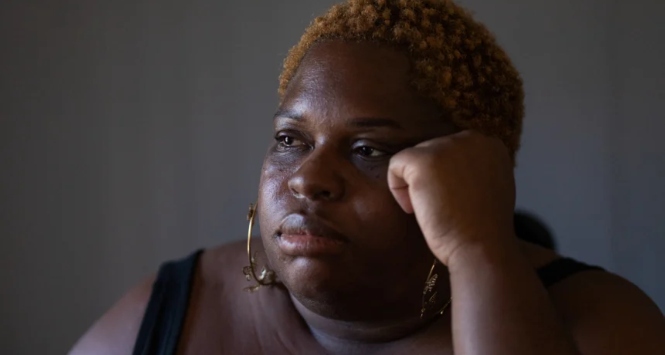
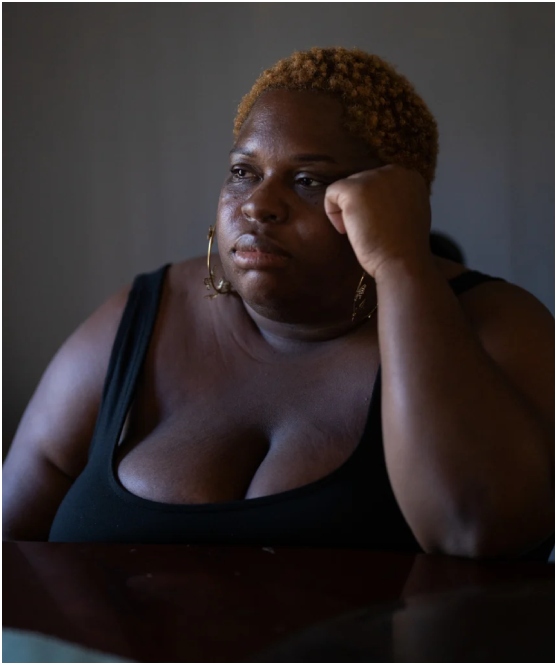
At the center of the report is Cherise Doyley, a Florida mother and doula whose labor took a dramatic turn when hospital staff initiated a court hearing from her hospital bed.
“I didn’t consent to a cesarean,” Doyley said during the proceeding, as she pushed back against doctors urging surgical intervention.
A Courtroom at the Bedside
Doyley had been laboring for hours when she was suddenly told she would be part of a legal hearing. A judge appeared via video call, alongside hospital attorneys and medical staff, to determine whether doctors could override her refusal of a C-section.
Physicians argued that continuing labor posed risks, including the possibility of uterine rupture. Doyley, however, maintained that she understood the risks and wanted to proceed with a vaginal birth, citing previous difficult recoveries from cesarean surgeries.
The judge ultimately ruled that while an immediate forced procedure was not ordered, doctors could proceed without her consent if an emergency arose. Hours later, Doyley underwent a C-section after reported complications.
She later described the experience as deeply distressing, saying the legal pressure made her feel coerced into surgery.
A Pattern of Legal Intervention
Doyley’s case is one of several highlighted in the investigation, which found that courts in some instances have been asked to authorize medical procedures for pregnant women in the name of fetal safety.
These interventions raise complex legal and ethical questions, particularly around the concept of fetal personhood—whether a fetus has legal rights that can override a pregnant woman’s autonomy.
Legal experts say that while patients generally have the right to refuse medical treatment, pregnancy has increasingly become an exception in certain jurisdictions.
READ THE FULL INVESTIGATIVE REPORT HERE.
Ethical Concerns and Medical Standards
Major medical organizations emphasize that pregnant patients retain the right to make informed decisions about their care, even when those decisions carry risk.
Critics argue that court involvement in cases like Doyley’s undermines those principles and sets a concerning precedent where judges, rather than patients, have the final say over medical care.
Racial Disparities in Focus
The case has also reignited discussions about racial disparities in maternal healthcare. Doyley, a Black woman, faced a panel of legal and medical authorities during her hearing—a dynamic advocates say reflects broader systemic inequalities.
Black women in the U.S. are statistically more likely to experience complications during childbirth and are more likely to undergo cesarean deliveries.
A Growing National Debate
As legal frameworks around reproductive rights continue to shift, cases like Doyley’s are drawing attention to the balance between medical authority, legal power, and individual rights.
For Doyley, the experience remains a stark warning.
If courts can step into the delivery room, she suggests, the question becomes not just how babies are born—but who gets to decide.