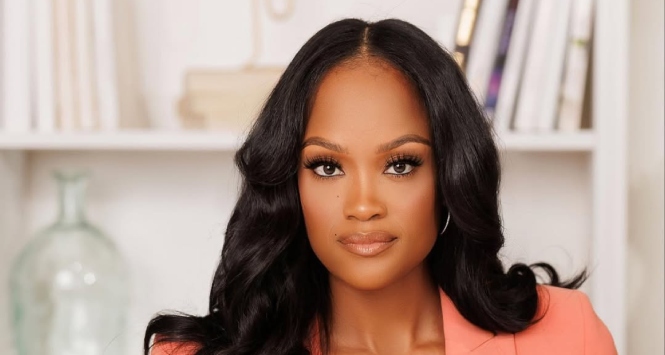
Realtor and public relations consultant Keyana Lawson is pushing back against a controversial call by a fringe group within the U.S. diaspora to boycott African-owned businesses on August 1.
In a passionate video message shared on social media, Lawson called the boycott proposal “ignorant” and “self-hating,” urging Black Americans instead to stand in solidarity with their African brothers and sisters by actively supporting African-owned businesses on that day.
“Let’s counteract this ignorance,” Lawson said in her viral video. “This doesn’t make any goddamn sense. How do you boycott your own people when other communities have done far worse to us—and yet we keep supporting them?”
The Black Beauty entrepreneur slammed the campaign as hypocritical, noting that many of those who promote the boycott have never staged similar actions against Asian, white, or Hispanic-owned businesses that have been accused of exploiting or disrespecting Black communities. Instead, Lawson suggested that grievances with individual African-owned establishments should be handled constructively and case-by-case, not with blanket retaliation that could fracture fragile cross-cultural alliances.
A Call for Unity
The online campaign, though unsupported by any major civil rights organization, has gained limited traction on social media, mostly among disaffected users who cite negative personal experiences with African-owned salons, stores, or restaurants.
But Lawson warns such reactions risk deepening divides between African Americans and continental Africans, many of whom are working to strengthen Pan-African economic and cultural ties.
“They don’t look at us and say, ‘Oh, she’s African American and he’s African.’ No—they see us all the same,” she said. “We are already being judged together. So why are we dividing ourselves from within?”
Lawson challenged her audience to flip the script on August 1 by visiting and intentionally spending money at African-owned businesses—ranging from braiding salons to retail shops and restaurants—instead of boycotting them.
Broader Backlash and Support for African Businesses
Lawson’s position has gained widespread support from voices across the diaspora who view the proposed boycott as counterproductive and rooted in misguided resentment rather than a serious attempt at progress.
Many see the attempt to divide Black communities as part of a larger historical pattern of internalized racism and systemic disunity, pointing to how other ethnic groups have succeeded in part by maintaining strong in-group economic loyalty.
“There’s nothing they need to do to divide us; we can complete the mission ourselves,” Lawson warned. “Sometimes we really are our own worst enemy.”
What’s Next: #SupportAfricanBiz

In the wake of Lawson’s video, the hashtag #SupportAfricanBiz began trending on X (formerly Twitter), as dozens of creators and activists echoed her sentiment and shared directories of African-owned businesses across the U.S. and beyond.
Meanwhile, platforms like PanAfricanLifestyle.com have published resources and guides to help members of the diaspora discover and engage with businesses on the continent and in their local communities.
Lawson’s message: rather than fall into divisive traps, Black people globally must uplift one another, economically and culturally, or risk further erosion of collective power.
“We should be building bridges—not burning them.”