Goapele Mohlabane, known professionally as Goapele, has carved a unique place in music history as the first Black woman to have a music video uploaded to YouTube.
According to Africa Diaspora International, the milestone celebrates her early role in the digital era of music distribution and the rise of internet platforms as tools for artistic exposure.
The historic moment came with the release of her soulful single “Closer,” a deeply emotive track that resonated with audiences in the early 2000s.
When the music video for “Closer” was uploaded to YouTube, it marked the first time a Black female artist had her music video hosted on the platform, predating the explosion of user‑generated content and the global influence of the site for music promotion.
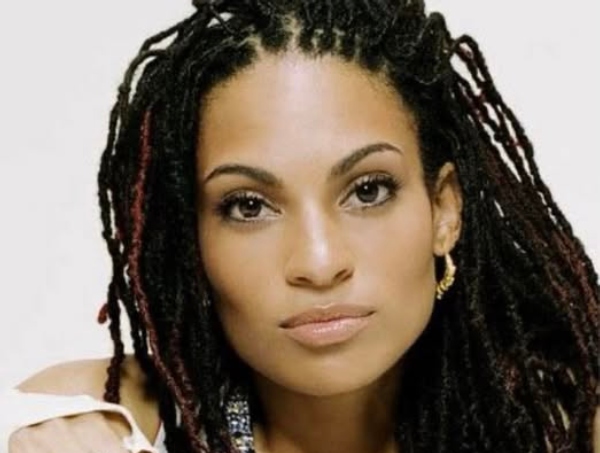
A Musical Voice Rooted in Heritage and Activism
Born on July 11, 1977, in Oakland, California, Goapele’s musical identity is shaped by a rich cultural heritage and an upbringing defined by activism. She is the daughter of Douglas Mohlabane, a South African political exile and anti‑apartheid activist, and Noa, her German‑Jewish mother from New York.
Her first name, Goapele, means “to move forward” in Setswana — a fitting moniker for an artist whose work has bridged culture, sound, and social consciousness.
Goapele’s music blends elements of soul, R&B, jazz and neo‑soul, and her career has often been defined by independent spirit and lyrical depth. On her breakthrough album Closer (2001), she explored themes of love, identity, and self‑determination — topics that would carry through her subsequent work and resonate with audiences long before streaming platforms became the dominant mode of music consumption.
From “Closer” to Community Impact
While “Closer” stands as a milestone in the digital history of Black music, Goapele’s career extends far beyond one song or one platform. She has released several albums over two decades, including Even Closer (2002), Change It All (2005), Break of Dawn (2011) and Dreamseeker (2018), consistently earning acclaim for her rich vocals and heartfelt songwriting.
In addition to her artistic achievements, Goapele is an activist committed to social and community causes. Her work often intersects with themes of empowerment, racial justice and cultural affirmation — driven by her father’s legacy as an anti‑apartheid figure and her own commitment to uplifting marginalized voices.
YouTube’s Early Influence and a Legacy Remembered
The significance of Goapele’s YouTube milestone is amplified by the platform’s later role in global music culture. Launched in 2005, YouTube would become one of the most important vehicles for music discovery, especially for artists outside major label systems.
Goapele’s early presence on the site highlights how pioneering artists leveraged emerging technologies to reach audiences at a time when mainstream access was far more limited.
For Black women in music — a group historically underrepresented in digital music discovery and music video visibility — Goapele’s achievement stands as a testament to early digital entrepreneurship and artistic agency. It also provides important historical context for current conversations about representation, equity, and access in the music industry.
Continued Relevance in Music and Culture
Today, Goapele’s influence extends to artists who use digital platforms to self‑publish, engage fans directly, and expand their creative reach without gatekeepers. Her story reflects both the evolution of music distribution in the internet age and the enduring power of artists to shape cultural landscapes.
As online platforms continue to redefine how audiences discover and consume music, Goapele’s place in that history — beginning with her groundbreaking video on YouTube — remains a reminder of how artistic innovation often precedes technological transformation.