
A North Carolina mother is fighting for truth, transparency and closure after a devastating experience surrounding the death of her premature newborn.
The ordeal, she narrates, was made more painful by conflicting reports from the hospital and unanswered questions that still haunt her nearly four years later.
In a lawsuit filed earlier this week, Lachunda Hunter alleges that Novant Health provided contradictory information about whether her daughter was alive or dead in the immediate aftermath of her birth in 2022 — a moment she describes as the “worst experience of my life.”
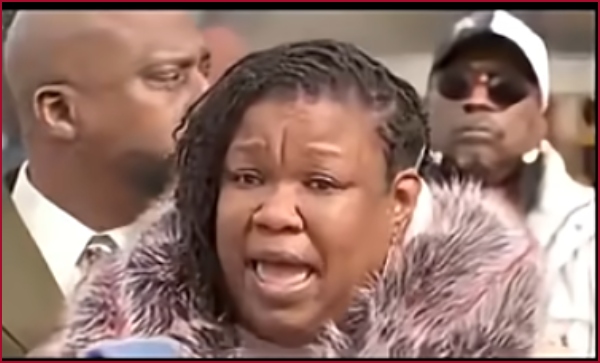
A Mother’s Harrowing Account
Hunter, who was told her daughter — identified as Legacy on birth and death certificates — had died shortly after birth, says the sequence of events left her reeling and confused. The emotional heartbreak she felt was compounded days later when she received an unexpected phone call from hospital staff discussing her daughter’s medical condition as if she were still living.
“The excitement in his voice left me speechless — after that, my assistant said, ‘Wait, you said her baby was dead?’” Hunter recounted. “He said, ‘Is this Miss Hunter?’ I said yes, then he hung up the phone.”
According to Hunter, a doctor later apologized and said the hospital had mistakenly attached her phone number to another patient’s chart. But that explanation did little to fully calm her doubts.
Questions About Identity and Burial
Hunter has also raised concerns that the infant she was given to bury may not have been her own daughter. She said the baby she saw in the dimly lit room looked different — and did not have the specific physical features she remembered from her own newborn.
“This baby doesn’t even look the same as my daughter,” Hunter told reporters, noting that her daughter had distinct bruising on her forehead that the infant she buried lacked.
To help determine whether the baby she buried was truly her daughter, Hunter obtained two DNA tests. While one test returned inconclusive results, a second test reportedly showed a match — though Hunter says she continues to question the accuracy of the findings.
Legal Fight for Answers
Hunter’s lawsuit seeks greater transparency from Novant Health and an explanation of what happened that fateful year. She is being supported in her legal battle by civil rights activist John Barnett, who said he is committed to helping her find the truth about the circumstances surrounding Legacy’s death.
“I care about this lady getting justice and closure,” Barnett said in a statement.
Though Novant Health previously told Hunter it would conduct an internal review of the situation, she says she never received any results or follow-up communication from the hospital or its investigators.
When reached for comment, Novant Health emphasized its commitment to compassionate patient care, saying teams strive to “guide people through profound moments of joy and loss” with respect and support, but it did not address the allegations directly.
Broader Implications
Hunter’s case highlights larger concerns about patient communication and accountability in health care — particularly in emotionally vulnerable situations such as the birth and death of a child. Families and patient advocates say clear, consistent communication from medical staff is crucial to fostering trust, especially when outcomes are tragic.
For Hunter, the fight is deeply personal. “I just want my daughter. I just want answers. I want to know what happened,” she said.
As this legal battle unfolds, her story stands as a powerful reminder of the emotional toll that conflicting medical information can impose on grieving families — and the urgent need for greater transparency and accountability in hospitals nationwide.

