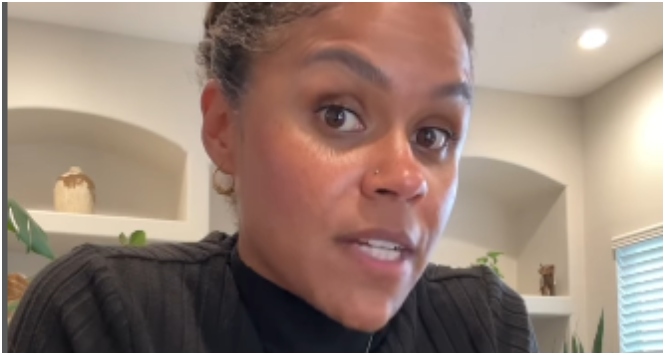
A licensed therapist and viral mental health educator known as Hey Its Sav (@_heyitssav) is shaking up social media with a provocative post tackling a rarely discussed topic: vulnerable narcissism in women.
In a recent video that’s been widely shared on Instagram and beyond, Sav challenges conventional narratives about emotional abuse and victimhood, arguing that women, too, can exhibit narcissistic traits—just in more covert, socially acceptable ways.
“When a man controls, we call it abuse… but when a woman controls, we call it trauma,” she says, adding, “Not all narcissists look like arrogant men. Sometimes it’s a woman who cries, guilt-trips, and plays fragile to keep control.”
The therapist, who regularly posts about emotional health and relationship dynamics, notes that manipulation by women is often hidden behind tears, fragility, or trauma responses, which society is less likely to scrutinize.
“Control is control,” she drums her point home. “No matter who is doing it.”
The Rise of the “Vulnerable Narcissist”
Sav points to clinical research by Dr. Ramani Durvasula, Dr. Elsa Ronningstam, and others who identify “vulnerable narcissists” as those who exhibit hypersensitivity and seek to control others through victim narratives, rather than overt dominance.
Her message? This subtle form of control doesn’t often get labeled as abuse—especially when it’s cloaked in the language of emotional safety and sensitivity.
In her viral breakdown, Sav outlines behaviors such as:
- Weaponizing emotional dysregulation so others must tiptoe around their feelings
- Manipulating co-parenting dynamics by turning children against the other parent
- Demanding constant reassurance and behavioral changes under the guise of needing to “feel safe”
“Yes, her pain is real,” Sav says, “but that does not make her behavior healthy… your trauma is not your partner’s debt to pay.”
A Touchy Subject with Real-World Impact
The video stirred intense reaction online, with some applauding the clarity and courage to address a taboo subject, while others accused the therapist of undermining legitimate female trauma.
“Yes!!! And we (society and therapists) enable and perpetuate this behavior. I see it a lot with female therapists, they call it empathizing but really it’s enabling,” someone posted in the comments.
But Sav is clear: this isn’t about blaming women, it’s about holding all forms of emotional manipulation accountable, regardless of gender.
“Don’t get your knickers in a twist, loves,” she quips. “It’s about owning that dysfunction wears many faces.”
Trauma, Tears, and the Truth
According to Sav, it’s crucial to separate genuine emotional expression from weaponized emotion. She concludes her video by reminding viewers that “tears are not always truth”, and that healing requires uncomfortable self-reflection:
“It’s very easy for us to call out dysfunction in others. The hard part is recognizing it in ourselves.”
She also points out that the presence of narcissistic traits does not automatically indicate Narcissistic Personality Disorder (NPD). A proper diagnosis requires consistent behavior over time and a clinical evaluation.
Sav’s post provides an insightful knowledge that mental health conversations must include uncomfortable truths, including the reality that emotional control can come wrapped in victimhood, and that awareness is the first step toward healing.