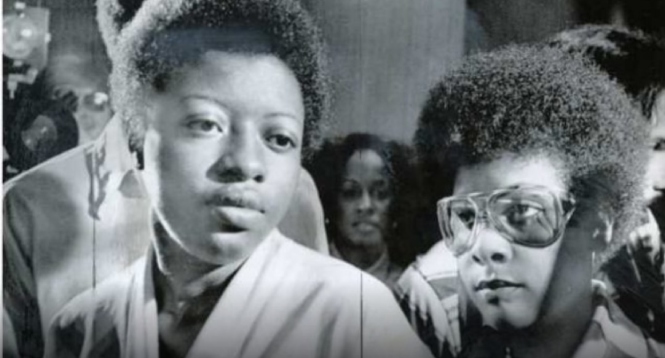
In the summer of 1974, Joan Little, a 20-year-old Black woman serving time in a North Carolina jail, did something that would forever alter the course of American legal history.
When a white prison guard, Clarence Alligood, allegedly entered her cell and attempted to sexually assault her, Little fought back. She killed him and escaped.
What ensued became one of the most pivotal legal battles of the 20th century, marking the first time in U.S. history that a woman successfully argued deadly force in self-defence against sexual assault.
At a time when both racial and gender inequality defined the justice system, Little’s case became a lightning rod for the civil rights, feminist, and anti–death penalty movements.
To many, she was not just a defendant, but a symbol of the deep-seated oppression faced by Black women, especially those behind bars.
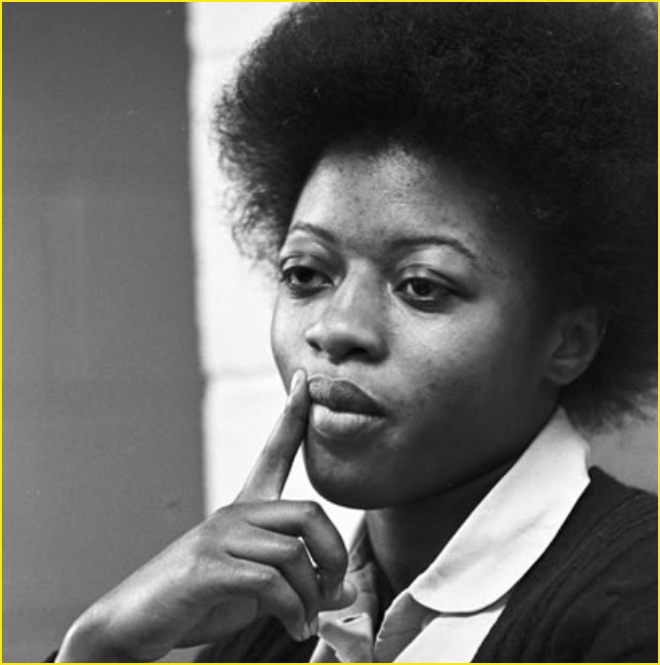
A Fight for Her Life and Her Freedom
According to court records and testimonies from other inmates, Alligood had a reputation for making inappropriate advances toward women in custody. On August 27, 1974, he allegedly entered Little’s cell carrying an ice pick. When she refused his advances, a violent struggle ensued. In a desperate bid to protect herself, Little turned the ice pick on him, fatally wounding the guard before taking his keys and escaping.
She was captured days later, charged with first-degree murder, and faced the death penalty.
But Little’s case would not unfold like a typical Southern courtroom drama of the era. A coalition of activists, spanning the Black Panther Party, women’s rights advocates, and abolitionists, rallied to her defense, raising national awareness and funds.
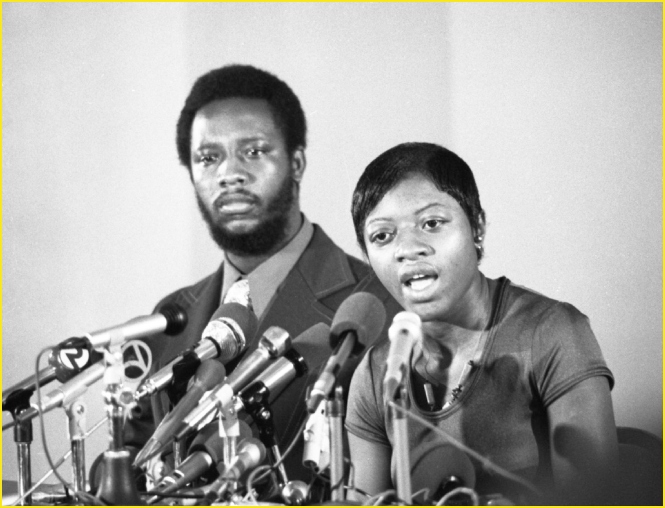
A Landmark Trial
During her 1975 trial, her defense team argued that she had every right to defend herself from sexual assault, even while incarcerated. The case broke new legal ground not only in its outcome but in its process: it was among the first in the nation to use scientific jury selection, ensuring a fairer cross-section of jurors.
After a tense six-week trial, the all-white jury delivered a stunning verdict: not guilty.
Little’s acquittal became a watershed moment in American jurisprudence. It challenged racist assumptions about Black female sexuality and established that incarcerated women, too, have the right to protect their bodies from harm.
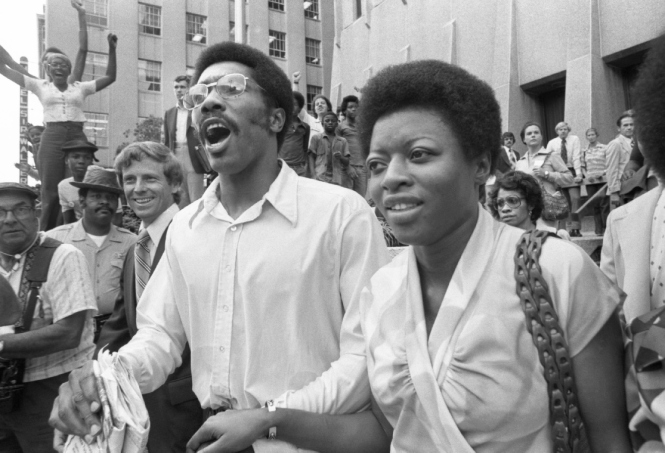
Legacy of Courage
Legal scholars and historians continue to cite Joan Little’s case as a cornerstone in the evolution of self-defense law and the intersection of gender, race, and power within the justice system. Her courage also inspired future generations of women’s rights and criminal justice reform advocates to confront institutional violence.
“Just because she was a prisoner didn’t mean she had to be prey,” one historian observed. “Joan Little’s defiance forced the country to see what justice really means when the powerless fight back.”
Now in her seventies, Little’s name may not be widely known outside legal or activist circles, but her legacy endures in every courtroom where a woman’s right to defend herself is recognized as a matter of law, not privilege.