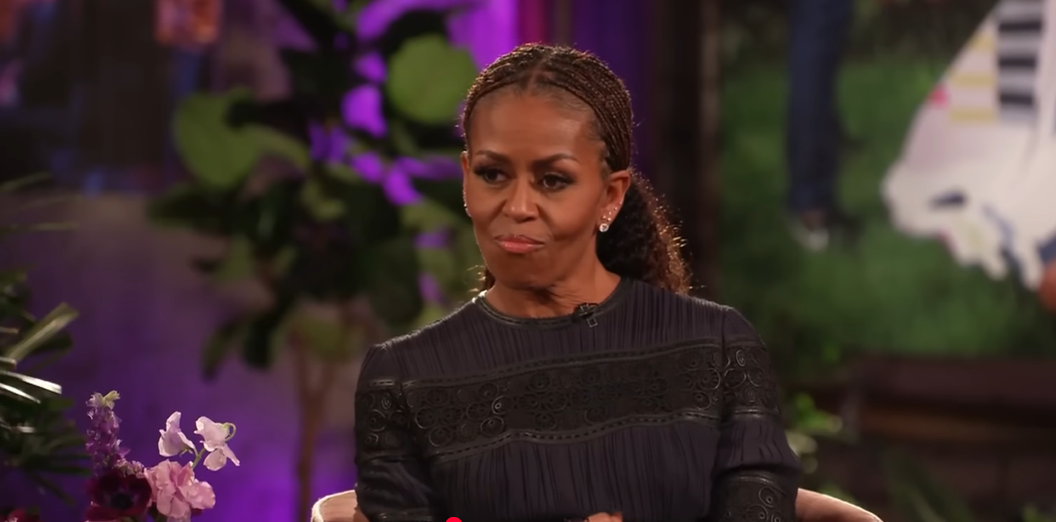
Michelle Obama’s acclaimed Netflix documentary Becoming has found itself at the center of an unexpected controversy after the streaming platform recategorized the film as a “Kids” title, following a surge in popularity earlier this month.
The decision has prompted discussion about how streaming platforms classify political and biographical content — and what those decisions mean for visibility, audience reach and cultural context.
Becoming, directed by Nadia Hallgren and released on Netflix on May 6, 2020, follows the former first lady on her 34‑city book tour after the publication of her bestselling memoir of the same name. Produced by Higher Ground Productions, the Obamas’ production company, the documentary has been praised for its intimate look at Michelle Obama’s personal journey and public engagement.

From Adult Top 10 to Kids Category
While Becoming originally made modest waves on Netflix’s general Top 10 lists upon its release, it recently saw a dramatic resurgence — a reported 13,000 percent increase in viewership in the U.S. over one weekend. This spike coincided with the theatrical release of another first‑lady documentary, Melania, about Melania Trump, which premiered at the renamed Trump–Kennedy Center and drew significant public attention.
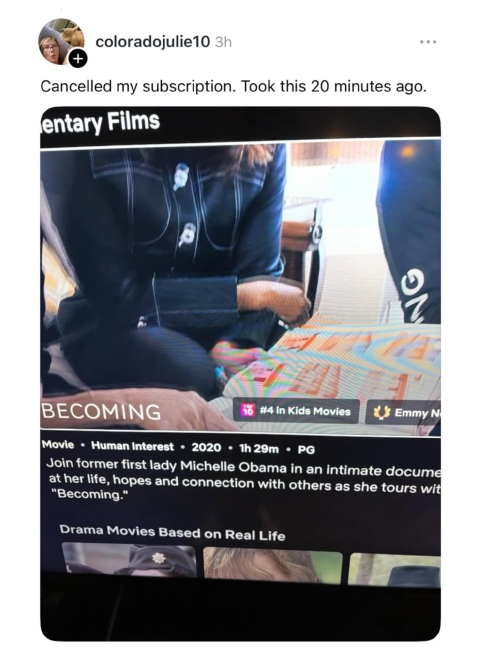
Netflix users noted that Becoming re‑entered Netflix’s US Top 10 movies for several days as audiences streamed it in large numbers, apparently prompted by social media campaigns encouraging coordinated viewing. But as its popularity grew, the documentary also began appearing under the platform’s Kids Top 10 category — ranking at or near No. 4 — a placement that surprised and frustrated many subscribers.
Viewer Reaction and Online Debate
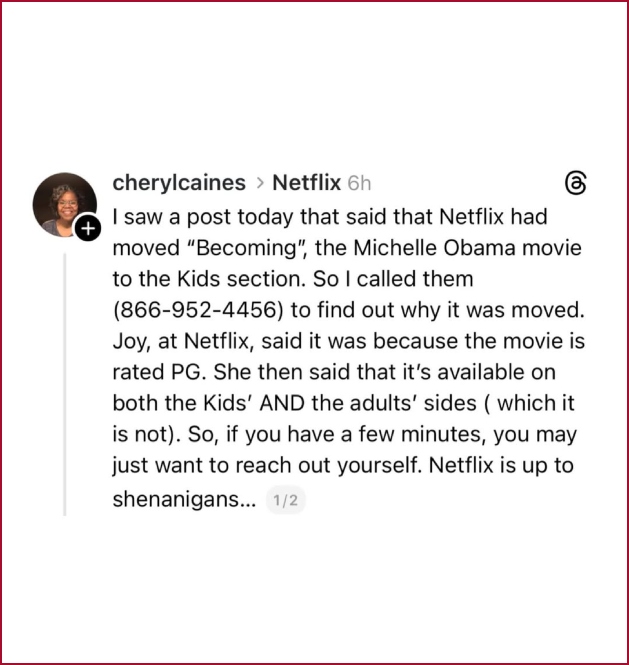
The categorization shift has sparked debate across social platforms. Some viewers have questioned why a documentary on adult life, leadership, personal growth and political experience would be labeled for a children’s audience. Many took to Threads and Reddit to express confusion or dismay, with comments suggesting the recategorization diminished the documentary’s seriousness or inadvertently obscured its visibility in Netflix’s main trending lists.
Online petitions have even been launched, urging Netflix to move Becoming back into the adult programming section, arguing that its placement in the kids category “oversimplifies complex themes and undermines the impact of her narrative,” particularly during a moment when its renewed popularity intersects with broader cultural debates.
How Streaming Platforms Categorize Content
Netflix’s own classification system is both complex and largely opaque. Behind the scenes, the company uses extensive metadata and internal category tags — thousands of them — to group titles into genres and viewing categories that influence what users see and how recommendations are served. These systems are designed to tailor content to viewer interests, but they can also result in surprising placements, especially for titles that blend genres or appeal to multiple audiences.
Categorization can affect where and how titles surface in search results or lists, potentially influencing both viewership metrics and audience perception. In Becoming’s case, its relocation to the kids category appears to have removed it from Netflix’s main adult charts, even as its viewership climbed. Netflix has not publicly explained the specific reasons for the change.
Broader Cultural Reflection
The incident has stirred conversation not just about algorithmic curation, but about how stories about political figures — especially Black women — are positioned and valued in popular media. For many viewers, Becoming carries cultural, historical and inspirational weight that deserves framing appropriate to its subject matter and audience.
Whether Netflix revises the categorization or offers an explanation in the days ahead, the moment underscores the growing influence of streaming platforms in shaping not only what audiences watch, but how viewers access and interpret content — especially in politically charged moments.