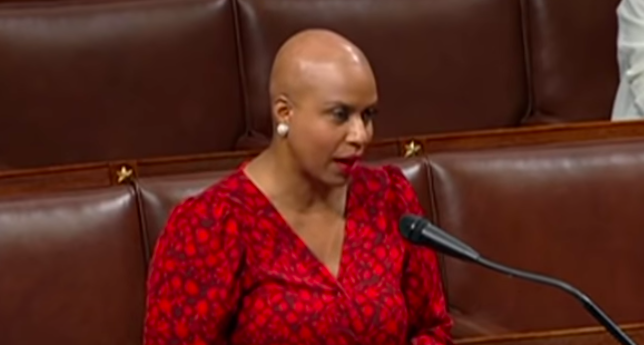
U.S. Representative Ayanna Pressley is renewing calls for sweeping legal reforms that would allow individuals and families to sue Immigration and Customs Enforcement (ICE) agents for civil rights violations, including cases involving serious injury or death.
In remarks delivered on the House floor and amplified in a post shared on social media, the Massachusetts Democrat argued that current law unfairly shields federal law enforcement officers from accountability, creating what she described as a “loophole” that leaves victims without legal recourse.
“People should be allowed to sue ICE agents for violating their rights and killing their loved ones, period,” Pressley said. “That should not be controversial for Democrats, Republicans, Independents, or anyone.”
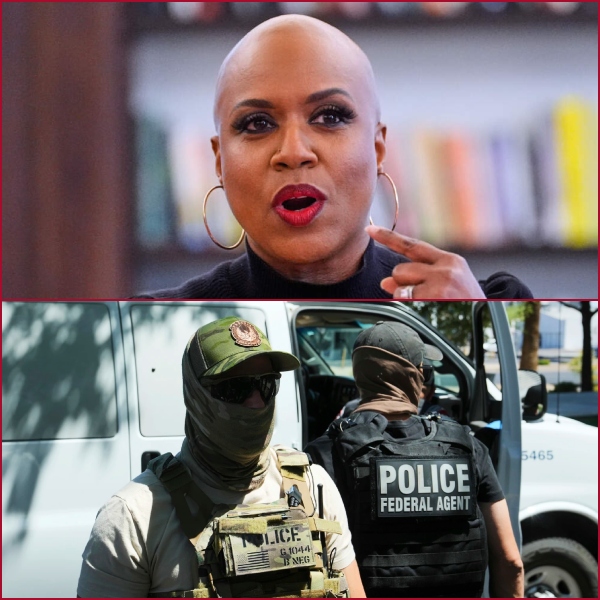
A Two-Step Legislative Fix
Pressley outlined a two-part legislative strategy she says Congress must adopt to restore constitutional accountability.
The first step would involve closing a legal gap that prevents federal officials from being sued under Section 1983, a cornerstone civil rights statute that allows individuals to seek damages for violations of constitutional rights by state and local officials. While victims can sue police officers and other local authorities under the law, federal agents are largely exempt.
“If victims of violence can sue state and local law enforcement, they should also be able to sue federal law enforcement,” Pressley said.
The second step would abolish qualified immunity, a judicial doctrine that protects law enforcement officers from civil liability unless their conduct violates “clearly established” law. Critics argue the standard is so narrow that it effectively blocks most lawsuits, even in cases involving serious misconduct.
Pressley described qualified immunity as a “court-invented doctrine” that has expanded far beyond its original scope, noting that even Supreme Court Justice Clarence Thomas has questioned whether the doctrine has gone too far.
Broader Political Context
Pressley presented her proposal as especially urgent amid negotiations over Department of Homeland Security (DHS) funding and escalating concerns over federal immigration enforcement practices under the current administration.
“This accountability two-step is critical to reining in this extremist administration,” she said, urging Democratic lawmakers to prioritize empowering individuals to defend their constitutional rights.
The push to reform qualified immunity and expand civil liability for federal officers enjoys support from progressive lawmakers and civil rights advocates, but it remains highly contentious on Capitol Hill, where opponents argue such changes could expose law enforcement officers to excessive litigation.
As Congress debates the future of immigration enforcement and civil rights protections, Pressley’s proposal places renewed focus on the legal boundaries of federal power—and who can be held accountable when those boundaries are crossed.