Students from Spelman College are gaining national recognition after developing an innovative artificial intelligence project that allows users to have verbal conversations with their houseplants — using real-time data to monitor plant health and needs.
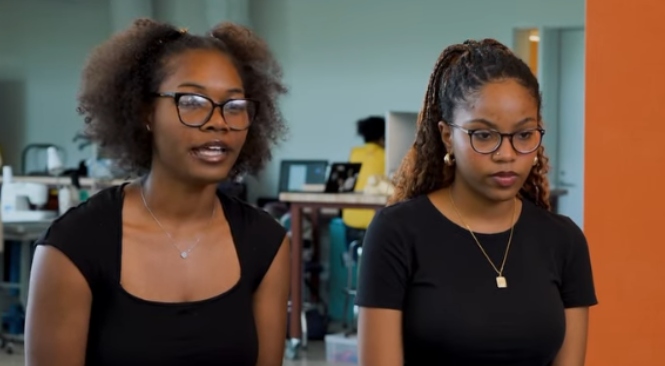
Joy Rutledge (Class of 2025) and Temple Dees (Class of 2027) are the lead developers behind PlantGPT, a project that combines sensors, AI models, and text-to-speech technology to translate plant conditions into spoken and written feedback. Their work, alongside collaborators Grace Burch (Class of 2024), Jessica Obi (Class of 2027), and Devyn Washington (Class of 2026), earned first place at the AAAS Making & Innovation Competition in Washington, D.C.
The competition, hosted by the American Association for the Advancement of Science (AAAS), highlights student-led projects that blend creativity, technology, and scientific problem-solving.
How PlantGPT Works
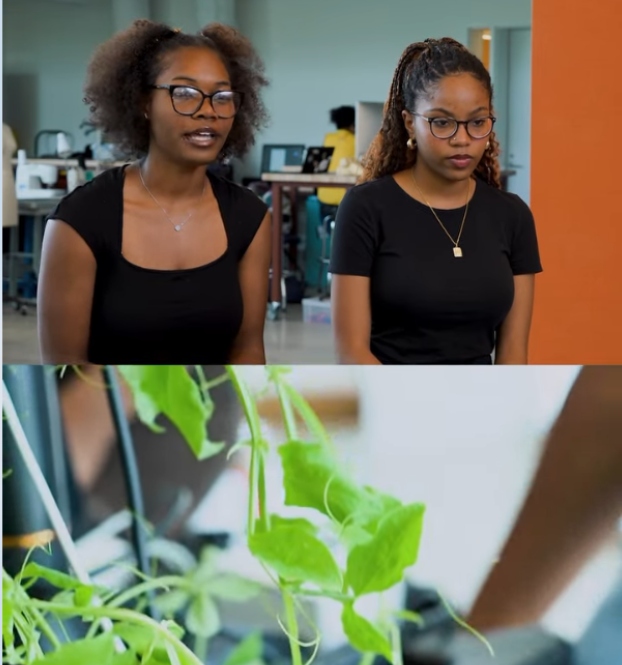
PlantGPT uses physical sensors connected to plants to collect real-time data on essential conditions such as water levels, sunlight exposure, and nutrients. That data is then processed by an AI system, which generates customized care recommendations that are delivered audibly or in text form.
“PlantGPT is a way to be able to talk to your plant,” one of the student developers explained in a video shared by Spelman College. “When your plant is dying, you need to know what type of information or resources it needs — water, sunlight, nutrients. We created sensors and connected them to an AI so you can get real-time data and adjust the conditions.”
The project originally relied on ChatGPT to interpret sensor data and generate care guidance. According to the team, it has since evolved to include TinyLlama, a lightweight AI model that can run locally without internet access — making the system more affordable, private, and accessible.
“My classmate, Grace Burch, initially started the project using an Arduino to gather data,” one student explained. “That data was sent to an AI model, which generated tailored care recommendations, and then sent to a Python text-to-speech library so the plant could ‘speak.’ My contribution was switching the AI model to TinyLlama and expanding features like written responses.”
Beyond Houseplants: Food Security Goals
While PlantGPT began as a tool for home gardening, the students say the long-term goal is far more ambitious. The team plans to adapt the technology for small farms and urban gardens, allowing growers to detect plant stress early and improve crop yields.
“The next step is expanding it to small farms and urban gardens,” one student said. “That way local farmers can detect plant health issues early, protect crops, and help ensure food security for the community.”
Innovation at Spelman
Spelman College praised the students’ achievement, noting that PlantGPT exemplifies how Black women in STEM are pushing boundaries in artificial intelligence and applied technology.
“From campus to the national stage, these innovators are redefining what’s possible,” the college said in a statement, highlighting the project during Black History Month as an example of student-driven excellence and impact.
With national recognition now secured, the PlantGPT team says they are focused on refining the system, expanding its features, and exploring partnerships that could bring the technology into broader agricultural use.