A viral social media debate over women, motherhood, and relationship dynamics has intensified after comments from It’s Giving podcast host Dr. Sarah Shorte.
Shorter’s remarks come amid ongoing backlash surrounding earlier statements by Cam Newton, who faced criticism for suggesting that women lose value with more children.
While attempting to expand on the broader conversation, Shorter’s own comments have now taken center stage, drawing both support and sharp criticism
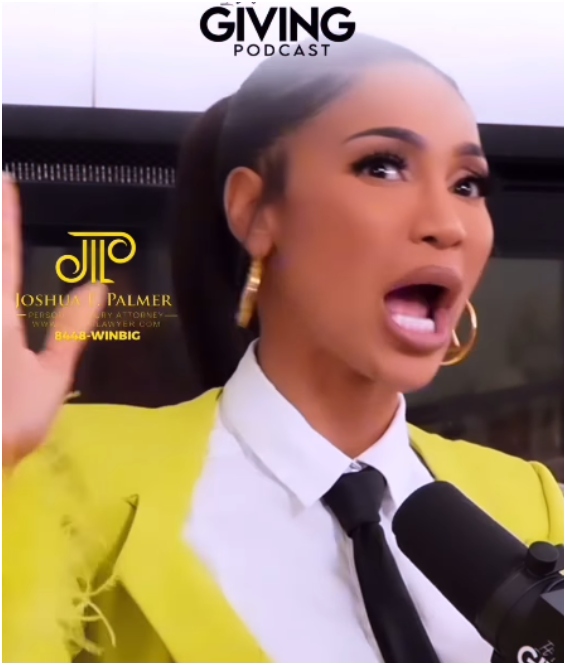
“Why Would He Choose You?”
In a now-viral clip, Shorter posed a provocative question about modern dating and partnership:
“Why would those men choose you when they don’t have to?” she said, referring to men she described as hardworking, family-oriented, and committed.
She argued that relationship success is often tied to mutual need and emotional connection, adding that “men need to feel needed,” while acknowledging that this desire is not exclusive to men alone.
Shorter also criticized what she sees as a cultural shift away from accountability in relationships.
“I am tired of people deflecting and playing victim to avoid taking accountability,” she said, suggesting that such patterns can contribute to long-term emotional and generational challenges.
Expanding the Argument
In a follow-up video, Shorter addressed what she called “exceptions to the rule,” stating that some women with multiple children from different relationships may still find committed partners—but emphasized that such cases are not typical.
Her comments extended into broader reflections on dating expectations, personal responsibility, and societal messaging to younger women.
“Most of us are not the exception,” she said, framing her message as a cautionary perspective aimed at future generations.
Backlash and Support
The response online has been deeply divided. Critics argue that Shorter’s framing reinforces harmful stereotypes about women—particularly single mothers—and places disproportionate responsibility on them for relationship outcomes.
Others, however, have supported her perspective, saying it reflects uncomfortable truths about dating preferences and personal accountability in modern relationships.
The debate has also reignited broader discussions about gender roles, evolving family structures, and the language used to describe “value” in personal and social contexts.
“Strong, strong facts…only wanna be victims will take issue,” one commenter said.
A Larger Cultural Conversation
Experts note that conversations like this often reflect deeper societal tensions, including shifting expectations around marriage, economic pressures, and changing definitions of family.
As the discussion continues to trend, it highlights how social media platforms have become central spaces for negotiating complex and often polarizing ideas about identity, relationships, and responsibility.