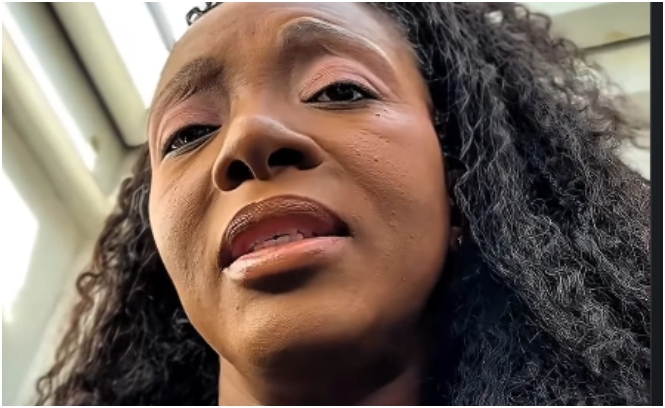
A woman’s deeply personal and emotional account of trauma, survival, and reclaiming power has gotten many people talking because of how it presents recovery after emotional abuse.
In a viral post, Yolande (@whatremainsisyou) recounted a harrowing chapter of her life involving her now ex-husband, describing a moment she now identifies as her turning point rather than her breaking point.
“The night the police and my husband took me to the hospital… he said he was only there so I couldn’t tell people otherwise,” she shared, recalling the aftermath of what she described as an attempt to escape years of emotional trauma.
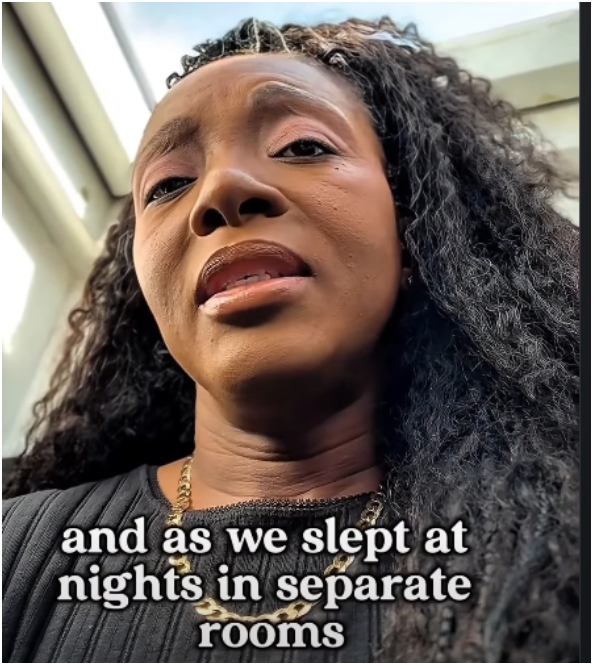
According to Yolande, her husband made it clear he intended to leave her regardless of her condition. But it was in a quiet, deeply vulnerable moment, alone in a hospital bathroom, that something shifted.
“Somewhere between the tears and the vomit, something shifted inside me… He thought he was watching me break. He was watching me decide,” she said.
That decision, she explained, led her to reclaim control of her life. Within 24 hours of being discharged, she asked him to leave their home.
“He called it being made homeless. I called it returning him to sender,” she wrote.
A Story of Abuse, Control, and Reclamation
In her video, Yolande described what she characterized as a pattern of narcissistic abuse, including emotional manipulation, control, and psychological distress. She alleged that her ex-husband dismissed her suffering and misinterpreted her actions as attempts to manipulate him.
“He didn’t process my attempt to unalive myself as an escape from trauma,” she said. “He processed it as manipulation.”
She further claimed that her husband had already been emotionally disengaged, allegedly speaking to another partner while still living under the same roof.
Mental health advocates say stories like Yolande’s reflect common dynamics in emotionally abusive relationships, where power and control are central themes. Survivors often describe moments of clarity, sometimes during crisis, as catalysts for leaving harmful environments.
Social Media Reaction and Support
Yolande’s post has drawn significant engagement online, with many users sharing similar experiences and expressing solidarity.
Her message, “If any part of my story mirrors yours, you are not alone. Your story is not over” has become a rallying point for others navigating recovery from toxic relationships.
Experts note that public storytelling, while vulnerable, can play a powerful role in awareness and healing, particularly around issues like narcissistic abuse and mental health.
A Broader Conversation
While Yolande’s account is personal, it underscores broader societal conversations about domestic abuse, mental health crises, and the challenges many face in leaving harmful relationships.
Her story presents a moment of perceived collapse into one of empowerment, highlighting how, even in the depths of despair, individuals can reclaim agency.
“He keeps mistaking brokenness for weakness,” she wrote. “Every single time.”