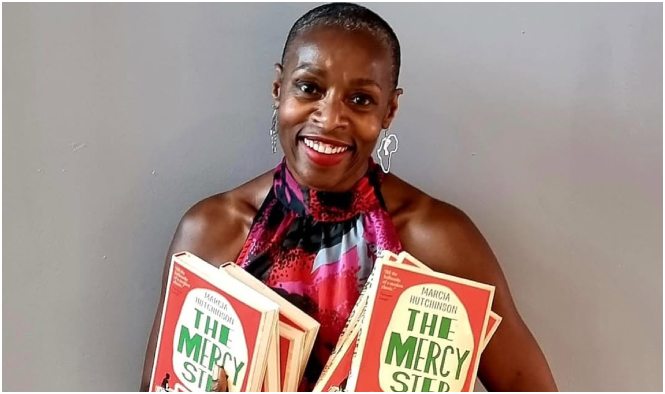
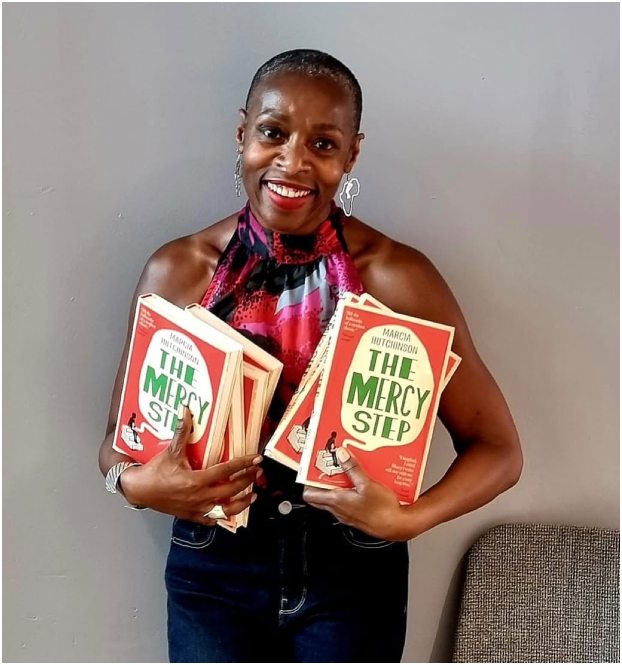
After receiving 54 rejections from publishers, author Marcia Hutchinson has emerged as one of the literary world’s most talked-about voices, with her novel The Mercy Step earning a place on the shortlist for the prestigious Women’s Prize for Fiction 2026.
But even as she celebrates the achievement, Hutchinson is raising difficult questions about race, representation and who gets to champion stories in Britain’s publishing industry.
Speaking to Channel 4 News, Hutchinson reflected on the emotional toll of the dozens of rejections her manuscript received before finding a home with a small Black-owned publisher.
“You were rejected more than 50 times,” she was reminded during the interview.
“Fifty-four to be precise,” Hutchinson replied.
The repeated setbacks took a significant personal toll.
“I got so depressed that I had to start writing again,” she said.
Hutchinson suggested that race may have played a role in why her novel struggled to find support despite positive feedback from industry professionals.
Of the 54 rejections, she said 18 contained a similar message: praise for the book and its protagonist, Mercy, coupled with uncertainty about how to market or champion the story.
“I don’t want to bring up race,” Hutchinson said, “but I think there’s an element of all these people are generally white and often white female middle class, and they just didn’t feel that they were the right person to champion The Mercy Step.”
Her comments touch on a longstanding debate within publishing about diversity among editors, agents and decision-makers, and how that can influence which stories reach mainstream audiences.
“If the majority of the industry is white female and middle class, where do stories get championed?” she asked.
While Hutchinson’s eventual success has been celebrated as a victory for perseverance, she used the moment to express broader concerns about Britain’s willingness to engage in conversations about race.
Asked whether the country has improved in discussing racial issues, she offered a stark assessment.
“If you’d asked me that question five years ago, I would have said yes,” she said. “But now we are retreating so fast, it’s absolutely scary.”
According to Hutchinson, a growing backlash has made many people reluctant to speak openly about race, even when they recognize the importance of doing so.
“I think a lot of people are not talking about race in the way that they know they should be, but they don’t want to be attacked,” she said. “So they’re keeping their heads down.”
The author then delivered what may be her most pointed observation, invoking a well-known warning about silence in the face of injustice.
“I think at the moment, a lot of good men, good people are doing nothing, and that’s not helpful,” she said.
Hutchinson’s remarks come as discussions about diversity and representation continue across Britain’s cultural institutions, including publishing, film and media. Her journey from dozens of rejection letters to a major literary prize shortlist is being viewed by many as both a personal triumph and a case study in the barriers that underrepresented voices can face.
Now, with The Mercy Step gaining national recognition, Hutchinson’s story is drawing attention not only for the novel itself but also for the conversation she hopes it will spark about race, opportunity and whose stories get told.
For an author who nearly gave up after years of rejection, the recognition marks a dramatic turnaround, one that she suggests should prompt the industry to examine who gets a chance to be heard and who is still waiting for someone willing to champion their voice.