A former Child Protective Services (CPS) caseworker is drawing attention to what she calls bureaucratic pressures that often outweigh children’s well-being.
In a viral Instagram video, posted by user @afineapppletoo, the woman said she initially stayed silent due to legal restrictions but decided to speak out after leaving her role.
“I was quiet about this for months because legally I couldn’t speak out… but since I quit, I’m about to give y’all the real,” she said. “CPS is exactly what everyone thinks it is.”
From Passion to Disillusionment
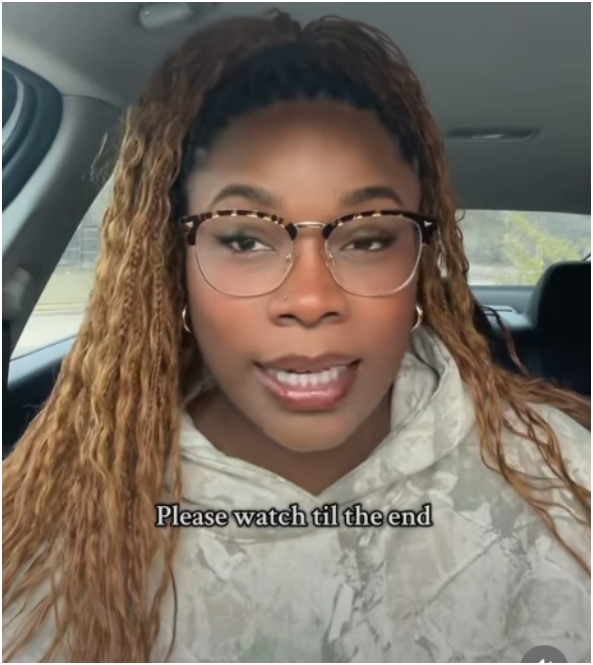
The former caseworker described entering the job with a strong sense of purpose, motivated in part by her own childhood experiences with abuse.
“I was crying when I got the job… I really felt like I was going to be able to make a difference,” she said, explaining that she saw the role as an opportunity to help vulnerable children and families.
However, she said her optimism quickly faded as she encountered what she described as a system more focused on administrative demands than child welfare.
“It didn’t feel good to me… it felt more so like, ‘forget the kids, let’s meet these deadlines,’” she said.
A Case That Changed Everything
The woman pointed to a specific incident involving a 15-year-old girl on her caseload as a turning point.
According to her account, the teenager had alluded to self-harm and was placed in a mental health facility. The caseworker said she attempted to schedule a visit to check on the child’s well-being, but was discouraged by her supervisor.
“She was like, ‘visit her for what? We have documents to upload,’” the former worker recalled.
Despite the child being in the facility for a week, the caseworker said she was effectively prevented from visiting due to competing administrative priorities.
“At any point I could have taken two hours… to make sure she was good,” she said. “But I was told to focus on something else.”
Allegations of Systemic Issues
The former employee ultimately concluded that the system was driven more by financial and procedural incentives than by the needs of children.
“I started to realize very quickly that this… is all about money. It’s not about the children, it’s not about families,” she said.
She also reflected on her own childhood interactions with CPS, claiming that despite multiple visits from caseworkers, no meaningful intervention occurred.
“They came to my school… and nothing ever happened. I went home and that was it,” she said.
Broader Debate on Child Welfare Systems
The video has sparked renewed debate online about the effectiveness and accountability of child welfare systems in the United States.
While experts note that CPS agencies vary widely by state and operate under significant legal and resource constraints, critics have long raised concerns about case overloads, funding structures, and bureaucratic inefficiencies.
Advocates for reform argue that high caseloads and documentation requirements can limit meaningful engagement with at-risk children, while others caution against generalizing individual experiences across an entire system.
The former caseworker acknowledged this complexity, noting that she could only speak to her own experience in one state.
Still, her message has resonated with many viewers, adding to ongoing conversations about how best to protect vulnerable children while ensuring accountability within the system.