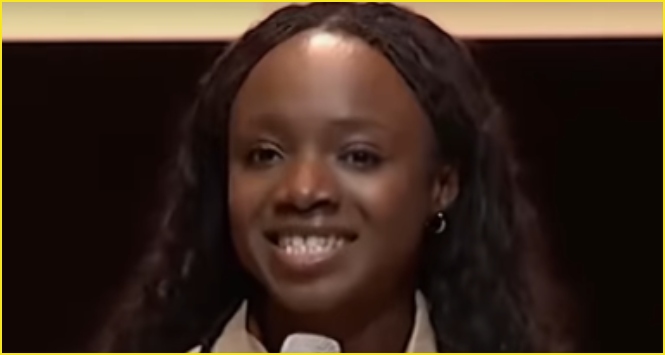
In a historic moment for both innovation and cultural heritage, two Harvard students, Yinka Ogunbiyi and David Afolabi, have transformed the world of hairstyling with the creation of Halo Braid, a patent-pending robotic device designed to dramatically cut hair-braiding time from hours to minutes.
Their invention has just earned top honors at the prestigious 2025 President’s Innovation Challenge hosted by the Harvard Innovation Labs.
Ogunbiyi, a student at Harvard Business School, and her co-founder Afolabi, took home the grand prize in the competition’s Alumni + Affiliates Open Track, a category celebrating ventures with the power to reshape industries. And reshape they might: their invention could redefine one of the most beloved, intricate, and time-consuming practices in Black hair culture — braiding.
A Cultural Tradition Meets Cutting-Edge Tech
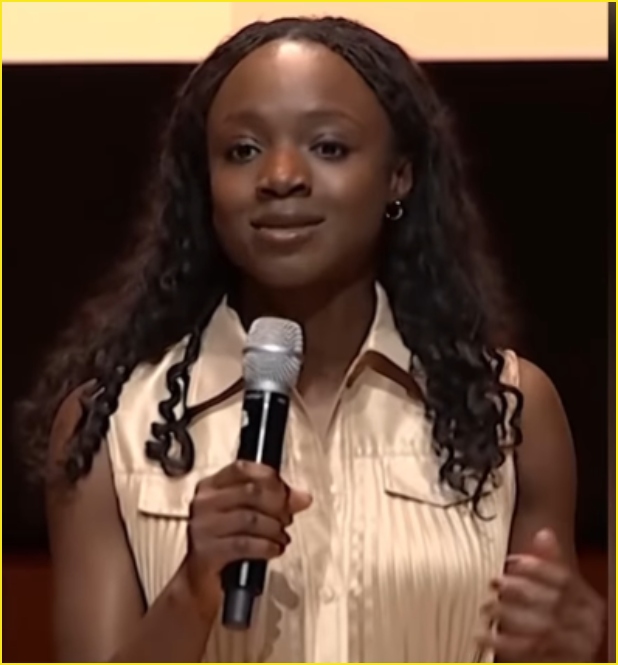
The Halo Braid robot is designed to work hand-in-hand with stylists. As Ogunbiyi explained during her winning pitch:
“Stylists start the braid. Halo finishes it. We reduce braiding time from hours to minutes, making braiding joyful, not painful, and allowing a stylist to grow their business without destroying our hands.”
Anyone who’s ever sat through a six-hour braid session knows that the process, though rooted in artistry and tradition, can be physically demanding for stylists and exhausting for clients. Ogunbiyi captured this reality vividly in her presentation:
“What if every time you got your hair cut, it took six hours, cost $200 to $300, and gave your hairstylist arthritis at age 22? This is what it’s like to get your hair braided. And I know this first hand because I’ve worn braids all my life.”
That personal connection underscores why Halo Braid feels like more than just an innovation; it’s a cultural evolution. For the 20 million Americans who regularly wear braids, the robot could make the experience not only faster but more accessible, enjoyable, and sustainable for stylists who often suffer from repetitive stress injuries.
The Tech Behind the Transformation
At its core, Halo Braid uses machine learning to mimic — and enhance — the precision of human hands. The team says the device has already “done thousands of braids and full hairstyles,” performing at five times the speed of traditional methods without sacrificing quality.
It’s a feat that could have major market implications. According to Custom Market Insights, the global hair braiding industry is projected to surpass $625 million by 2032. With efficiency and accessibility at the heart of its design, Halo Braid is positioning itself to take a significant share of that market — particularly among professional stylists and salon owners eager to expand capacity without increasing physical strain or labor costs.
Innovation With Purpose
What makes Halo Braid especially compelling isn’t just its technological promise but the social consciousness driving it. In an industry where innovation has often ignored the specific needs of Black hair, Ogunbiyi and Afolabi’s invention signals a new era — one that merges tech entrepreneurship with cultural authenticity.
As Ogunbiyi stressed, “Braiding hasn’t seen innovation since braiding was invented 5,000 years ago.”
That statement, both bold and true, speaks to the enduring neglect of haircare technologies that center Black consumers. Halo Braid’s success at Harvard marks a long-overdue acknowledgment that the creativity and economic power behind Black beauty deserve equal footing in the innovation ecosystem.
What’s Next for Halo Braid
Currently, Halo Braid has a waitlist for both professional stylists and novice braiders interested in testing the technology. With funding from their win, Ogunbiyi and Afolabi plan to accelerate development, refine the device’s machine learning capabilities, and eventually bring the robot to salons and households worldwide.
Their ultimate goal is clear: to make braiding “joyful, not painful” — a mission that resonates deeply within the global Black diaspora and among anyone who values the artistry, patience, and heritage woven into every braid.
A Milestone Moment for Black Tech and Beauty
Halo Braid represents more than a clever startup success, it’s a milestone in the intersection of technology, entrepreneurship, and cultural representation.
For too long, Black haircare innovations have thrived on creativity and manual expertise rather than access to advanced engineering. Ogunbiyi and Afolabi’s win at Harvard signals that the next wave of beauty-tech innovation is not just diverse in concept but equitable in opportunity.
Their work bridges tradition and technology — proving that the future of beauty doesn’t erase heritage, it enhances it.