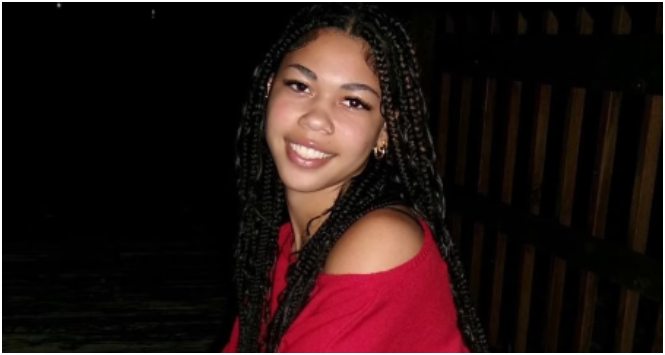
A Missouri community is mourning the death of Kayla Huff, a 16-year-old Black girl whose body was discovered in a wooded area in Randolph County after she had reportedly been missing for more than a week.
The case has sparked outrage online and renewed conversations about media attention surrounding missing Black children and teenagers.
According to reports highlighted in a televised segment by ABC 17 News, authorities allege that multiple suspects are facing charges connected to Huff’s kidnapping and killing. Investigators reportedly believe the teen was beaten, locked inside a vehicle trunk, taken to a wooded conservation area, and fatally shot.
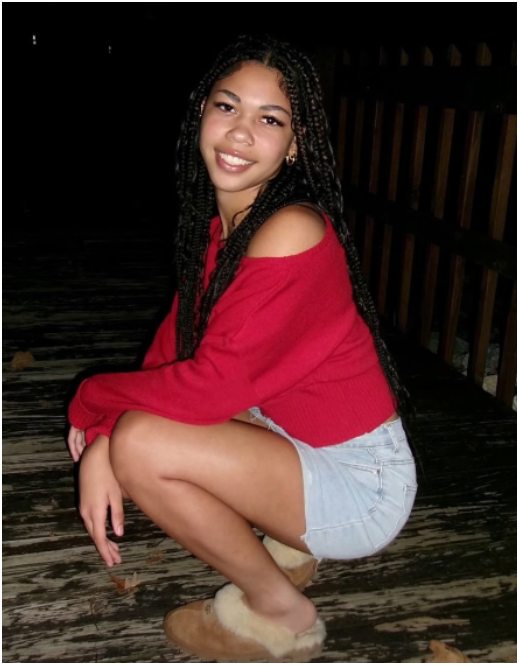
The allegations have horrified community members and social media users following the case.
“One suspect reportedly even told jail staff she got poison ivy from being in the woods,” the news report stated.
Authorities have not publicly released all investigative details surrounding the case, and formal court proceedings are ongoing. The allegations referenced in the viral social media posts and news coverage remain subject to prosecution and judicial review.
Online, many users expressed frustration over what they perceive as a recurring lack of national urgency when Black girls go missing.
“A Black teenage girl went missing for more than a week before being found dead,” one viral post stated. “People are once again asking the same painful question: Why do missing Black girls always seem to matter after they’re gone?”
The hashtag #JusticeForKaylaHuff has since circulated widely across platforms including Instagram, TikTok, and X, with advocates and commentators calling for accountability and broader awareness about missing Black children in the United States.
Activists and researchers have long pointed to disparities in media coverage involving missing persons cases, particularly those involving Black girls and women.
The issue is sometimes referred to as “missing white woman syndrome,” a term used to describe disproportionate media attention given to cases involving young white female victims compared to victims from marginalized communities.
Community members continue to mourn Huff’s death while calling for justice for her family.
“Kayla Huff was not just a headline,” the report concluded. “She was a child.”