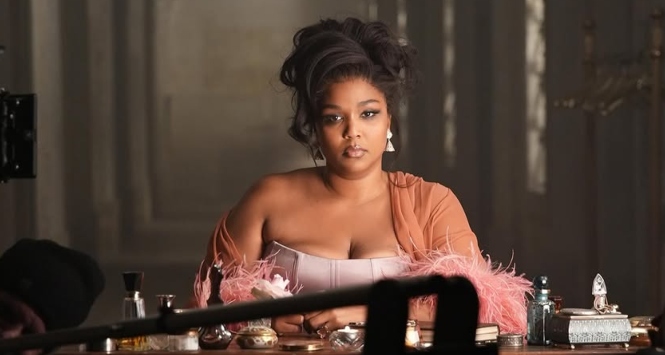
Grammy-winning artist Lizzo is facing a copyright infringement lawsuit over an unreleased song that allegedly samples a 1970s soul track without permission.
According to court filings obtained by the BBC, GRC Trust, which holds the rights to songwriter Sam Dees’ 1970s R&B track “Win or Lose (We Tried),” has accused Lizzo of using the song without authorization in a track she teased on social media earlier this year.
The song, which was never officially released, caught attention after a snippet leaked on TikTok and Instagram, where Lizzo rapped the line, “I got good jeans like I’m Sydney” — a reference to actress Sydney Sweeney and her controversial American Eagle commercial.

The ad, which cheekily proclaimed Sweeney had “good jeans,” stirred public debate, with some interpreting it as a tone-deaf play on white beauty privilege rather than fashion. Lizzo’s lyric, fans argued, appeared to poke fun at that cultural conversation.
But for GRC Trust, the issue isn’t about wordplay, it’s about money and music rights. The suit claims Lizzo’s use of Dees’ work resulted in “profits they would not have realized but for their infringement.”
“We attempted informal resolution of the dispute but reached an impasse,” GRC Trust said in court documents, adding that it now seeks both an injunction to block the song’s distribution and a financial settlement equal to all alleged profits and losses.
Lizzo’s team, however, disputes the entire premise.
“We are surprised that GRC Trust filed this lawsuit,” a representative for the singer told the BBC. “To be clear, the song has never been commercially released or monetized, and no decision has been made at this time regarding any future release.”
A Legal Battle Over a Song the Public Hasn’t Heard

The irony of this case is that the song at the center of the lawsuit has not been officially released, a rarity even in the often litigious world of music sampling. Legal experts note that copyright law doesn’t require a song to be sold for infringement to occur; public distribution or online use (even through short social media clips) can be enough to trigger a claim.
Sam Dees, a revered but underrecognized soul artist, penned a string of classic R&B songs in the 1970s, including hits for Gladys Knight & the Pips and Willie Clayton. His work has been widely sampled across genres, often without credit — a familiar problem for legacy artists whose catalogs are only now being fully monetized in the streaming age.
When Pop Culture, Race, and Music Collide
The lawsuit has also reignited conversation about the intersection of pop culture and race, particularly given Lizzo’s history of confronting body shaming and industry bias head-on.
Her viral snippet’s reference to Sweeney, a blonde, blue-eyed Hollywood favorite, seemed to critique beauty standards and racialized notions of “good genes,” a concept that has long carried uncomfortable connotations in American culture.
Yet the legal spotlight has shifted focus from social commentary to ownership and authorship, themes that echo throughout Black music history, from blues pioneers to hip-hop innovators, whose sounds were often borrowed without acknowledgment or payment.
What’s Next for Lizzo
For now, the case remains in its early stages. No trial date has been set, and Lizzo’s team insists that no profit was ever made from the song in question.
Still, the lawsuit comes at a challenging time for the “About Damn Time” singer, who is already fending off separate legal battles with former dancers alleging a toxic work environment, claims she has vehemently denied.