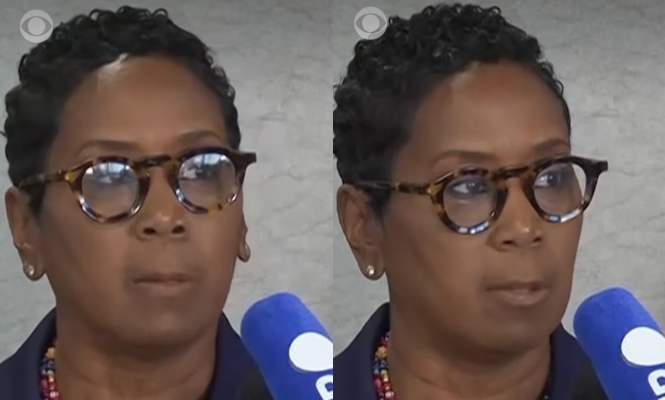
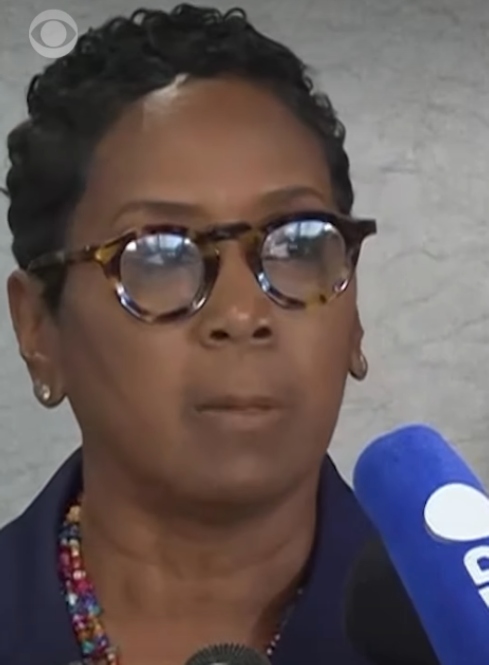
Shreveport City Council member Tabatha Taylor is calling for compassion, accountability, and long-term support for survivors following a devastating mass shooting in the city that left eight children dead and multiple adults injured.
Speaking at a press conference, Taylor delivered a sobering message that shifted attention away from headlines and toward the human cost of the tragedy.
“I want you to think about the mothers that are the survivors,” she said. “One is in surgery at this time… they are going to be faced with immense pain that’s going to need all of us—the community—long-term counseling.”
Her remarks come after police confirmed that a domestic dispute escalated into one of the deadliest mass shootings in the United States in recent years. Authorities say 10 people were shot in total, with eight children, ranging in age from 3 to 11, killed in the attack.
Taylor urged the public and media to center the victims and their families rather than the spectacle of the fatal shooting.
“It’s people first,” she said. “It’s not your stories, it’s not who posted first, it’s them. It’s all about them.”
According to investigators, the suspect, identified as Shamar Elkins, allegedly carried out the shooting across multiple locations early Sunday morning before being fatally shot by police following a brief pursuit. Seven of the children killed were reported to be his own.
The attack has sent shockwaves through the local community and beyond, with city officials describing the incident as “horrific” and unprecedented in scale for the region.
Taylor also used the moment to underscore a broader issue: the dangers of domestic violence and its often-overlooked consequences.
“Domestic violence is nobody’s joke. It is real,” she said. “And these are the residual effects of what happened.”
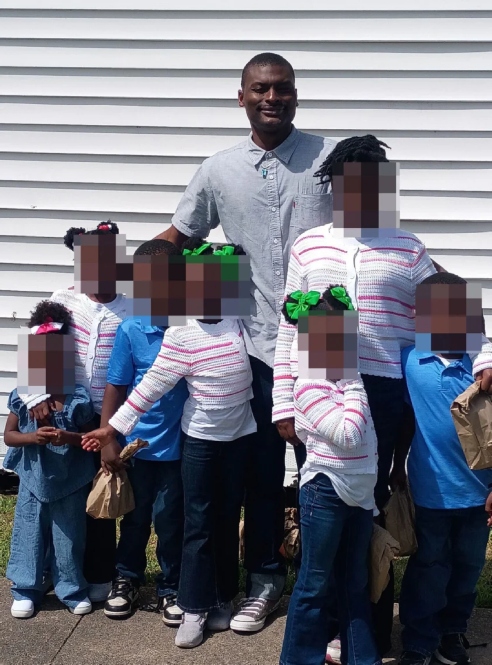
Shamar Elkins/Facebook
Authorities revealed that the suspect had a history of mental health struggles and was reportedly going through a divorce at the time of the shooting. Family members said there had been warning signs, raising questions about intervention and prevention.
Survivors include three women, one of whom remains in surgery, as well as children who attempted to escape the violence, including by fleeing onto rooftops.
Community leaders and advocates are now calling for increased mental health support, stronger domestic violence interventions, and sustained care for the victims’ families.