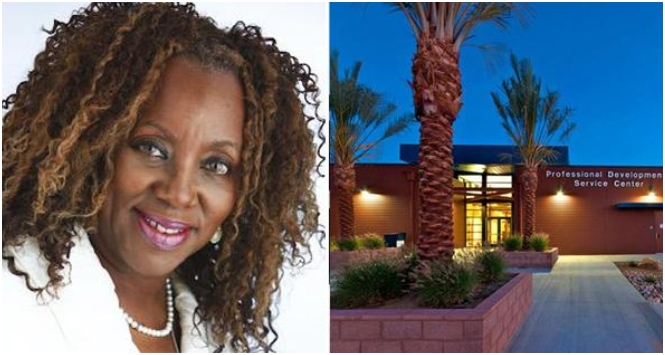
A federal civil rights lawsuit filed by veteran educator Janet Robinson against the Hemet Unified School District is gaining traction.
Robinson is alleging that racial hostility, policy failures, and questionable employment practices emerge from court filings.
The case, Robinson v. Hemet Unified School District (No. 5:24-cv-00486), centers on Robinson’s claims that the district failed to adequately address persistent racial issues within its schools, ultimately contributing to a hostile work and learning environment. Robinson, an African American educator with more than 25 years of experience, is representing herself in federal court after nearly three years of litigation.
Procedural Setback for the District
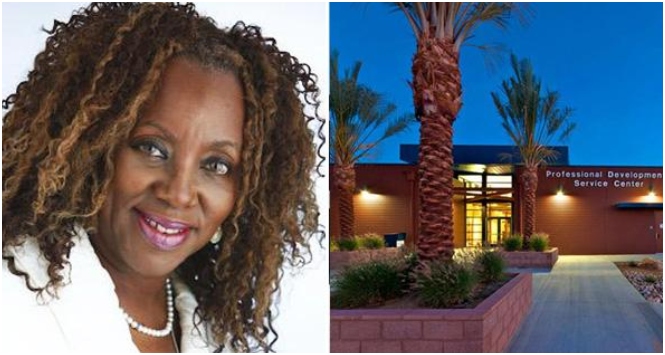
In a notable development, the court has struck the district’s filings for a second time, including key trial submissions such as motions in limine and proposed jury instructions. As a result, the trial previously scheduled for April 7, 2026, has been vacated, with a new date yet to be determined.
Legal observers say the repeated rejection of filings could complicate the district’s defense and potentially shift momentum in the case.
Allegations of Racial Hostility
At the heart of the lawsuit are claims that district leadership failed to respond effectively to reports of racial misconduct in classrooms. According to court documents, concerns were raised about students repeatedly using racial slurs—including variations of the N-word—without meaningful disciplinary action or enforcement of corrective policies.
Robinson alleges that despite documented complaints and requests for clearer district-wide enforcement mechanisms, the district did not implement sufficient measures to address the behavior. The result, she argues, was a racially hostile environment affecting both students and educators.
Broader Policy and Employment Concerns
The lawsuit also outlines a series of systemic issues beyond classroom conduct. These include alleged failures to comply with federally mandated accommodation processes, inconsistent evaluation practices, and adverse employment actions that raise civil rights concerns.
Additionally, filings point to a lack of transparency in personnel decisions and the absence of a clearly defined policy specifically addressing explicit racial slurs—despite the district maintaining general nondiscrimination guidelines.
Controversial Language in Legal Filings
The case further highlights concerns about institutional culture, referencing the use of the term “Negro” in formal legal filings submitted by defense counsel. While not illegal, the term is widely considered outdated and inappropriate in modern professional contexts.
Robinson argues that the coexistence of such language in legal documents alongside unaddressed classroom incidents reflects deeper systemic issues in how Black educators are perceived and treated within the district.
Implications for Title I Schools
The case carries added significance due to the district’s large population of students enrolled in Title I programs, which serve low-income communities. Advocates warn that failure to address racially hostile environments in these schools could raise questions about compliance with federal funding requirements and equitable treatment standards.
Potential National Impact
Legal experts note that the outcome of the case could have far-reaching implications for public education systems across the United States. Key issues under scrutiny include enforcement of protections under Title VII and Section 1981, compliance with the Americans with Disabilities Act, and standards for identifying hostile work environments.
The case may also influence how school districts handle discrimination complaints, protect whistleblowers, and allocate public resources when facing prolonged litigation.
A Call for Awareness and Accountability
Robinson, who has built a career advocating for underserved students, including those experiencing homelessness, is using the case to encourage educators to better understand their legal rights and report discriminatory practices.
Her lawsuit underscores ongoing national debates about race, accountability, and equity in education—issues that continue to shape policy discussions and legal frameworks in school systems nationwide.
As the case moves forward, it is expected to remain a closely watched test of how federal civil rights protections are applied in modern public education.