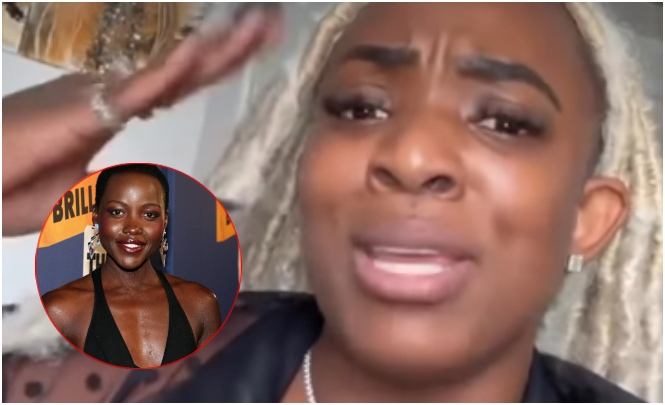
A TikTok video by user @msjorji is generating widespread backlash after she made controversial remarks about Black beauty standards, particularly regarding dark-skinned women.
In the now-viral clip, the creator claimed that people often “pick the darkest, least attractive girl and hype her as pretty,” arguing that beauty standards within the Black community are being lowered rather than elevated.
“I feel like when it comes to Black girls, y’all pick the ugliest woman who is dark skin and then… say she’s pretty,” she said in the video, adding that she does not take back her statement.
Reference to Lupita Nyong’o Fuels Debate
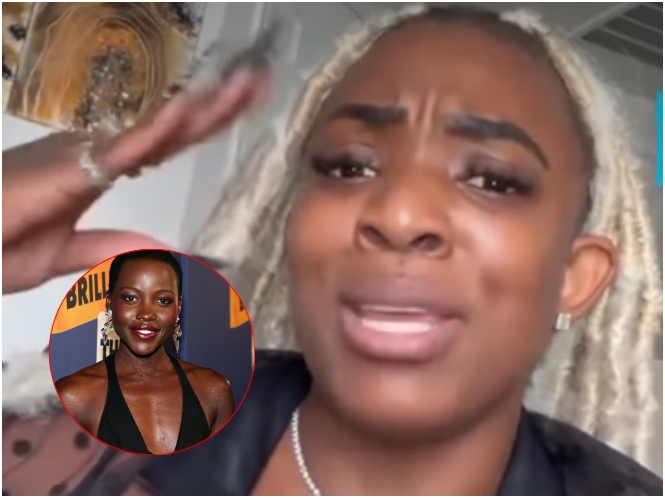
The creator specifically referenced Oscar-winning actress Lupita Nyong’o, suggesting that her widespread praise as a beauty icon reflects what she described as a broader trend.
While she clarified she was not calling Nyong’o “ugly,” the comparison intensified criticism, with many social media users defending the actress and calling the remarks offensive and harmful.
Backlash and Colorism Conversations
The video has triggered a wave of responses across platforms, with critics accusing the creator of promoting colorism—a form of discrimination that favors lighter skin tones over darker ones within the same racial or ethnic group.
Many users pushed back strongly, arguing that dark-skinned women have historically been excluded from mainstream beauty standards, and that increased representation should be celebrated rather than criticized.
Others pointed out that labeling certain appearances as “less attractive” reinforces harmful stereotypes and perpetuates longstanding biases.
Broader Cultural Context
The controversy taps into a long-running conversation about beauty, representation, and identity within Black communities and global media.
In recent years, figures like Lupita Nyong’o have been widely praised for challenging Eurocentric beauty standards and expanding visibility for darker-skinned women in fashion and entertainment.
However, the viral TikTok underscores how deeply contested these conversations remain, particularly on social media where opinions can spread rapidly and provoke strong reactions.
Ongoing Online Reaction
As the debate continues, the video has become a flashpoint for discussions about internalized bias, societal standards, and the impact of online commentary on perceptions of beauty.
While some users engaged in debate over the creator’s claims, the overwhelming response has been critical—highlighting the sensitivity and significance of the issue.
The incident serves as another reminder of how social media platforms can amplify personal opinions into global conversations, especially when they touch on identity, representation, and self-worth.