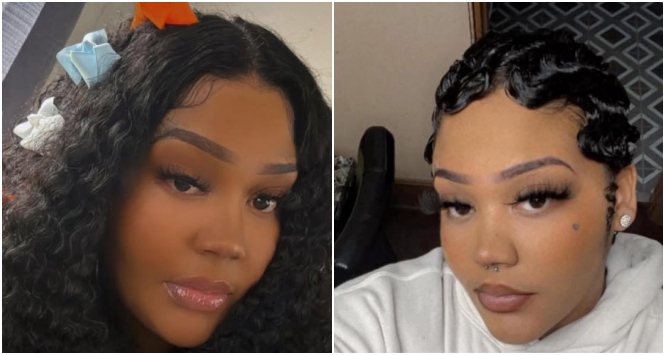
Kierra Campbell was just 27 years old. A young mother of seven children. A woman battling end-stage heart failure. And, ultimately, a life lost not just to illness, but to a system that failed her.
Campbell died shortly after doctors discontinued her life-sustaining heart medication due to a lapse in insurance coverage caused by a missed child support hearing, which triggered a sanction. Without insurance, she could no longer afford the $1,000-a-week IV medications that were keeping her heart beating.
“It’s over for me y’all… they’re stopping my medicine and everything… my heart is no longer doable,” Campbell said in a heartbreaking final message posted before her death. “They set me up for the end stage of my life—three months or less is what they gave me. I tried. I’m still gonna fight. I’m so unhappy right now. Please just pray for me.”
A Broken Safety Net
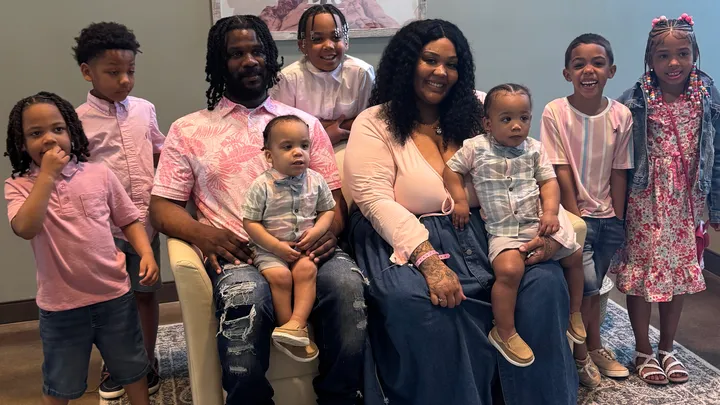
Campbell had been hospitalized for over a month at The Christ Hospital in Cincinnati as her heart function dropped to just 10%. In her own words, she said she couldn’t be discharged without her medication, but because her Medicaid insurance was cut off, her care was effectively halted.
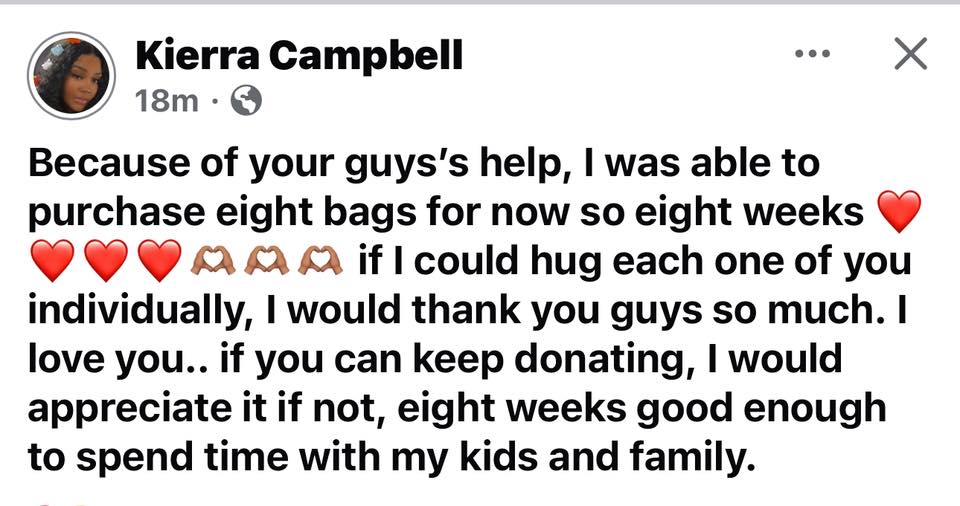
Her final plea, made through a now-viral GoFundMe campaign, was for just three more weeks of medication—enough time, she hoped, to resolve the paperwork and court hearings required to reinstate her insurance and reunite with her children.
But that time never came.
Healthcare Denied. Life Denied.
The story, first shared widely on Facebook by Ebonie Marie Baxter, sparked a wave of outrage and sorrow. It also renewed urgent questions about how many low-income Americans—especially Black women—are being failed by the very systems designed to protect them.
“No child should have to watch their mother die simply because she couldn’t afford medicine,” Baxter wrote.
Campbell’s death is more than a tragedy. It’s a brutal indictment of a system where a missed court date can become a death sentence. Advocates point to the role of systemic inequities, racial bias in healthcare, and bureaucratic red tape as contributing factors in cases like Kierra’s, where Black women disproportionately suffer from preventable health outcomes.
According to the Centers for Disease Control and Prevention, Black women are three times more likely to die from heart disease-related complications than white women. The issue is compounded by lack of access to timely care, affordable medication, and adequate insurance.
A Call to Action
Campbell’s passing has prompted a surge of support for her family and calls for reform.
Her GoFundMe, originally intended to fund medication so she could spend her last days at home with her children, is now being used to support her children in the wake of her death:
👉 GoFundMe Link
💔 She deserved more time.
💔 She deserved care.
💔 She deserved life.
This is not just one woman’s story—it is a wake-up call.
A call to fix a system where access to life-saving care depends on red tape, paperwork, and whether someone can afford a $1,000 weekly medication.
A call to say her name: Kierra Campbell. A call to protect the next Black woman who just wants a chance to live.