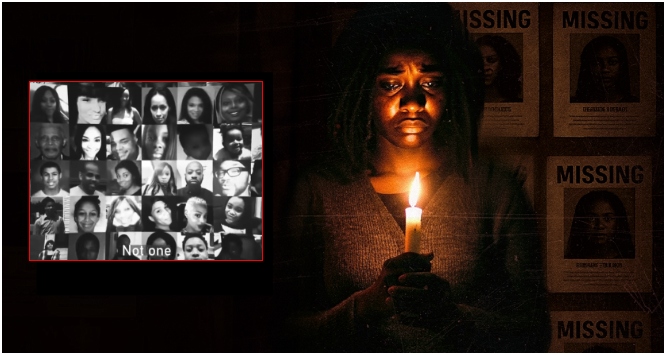
With Wisconsin still reeling from the brutal murder of 19-year-old Sade Robinson, calls to establish a statewide task force to investigate and prevent violence against Black women and girls are once again reaching the legislature, and this time, advocates say, the state can no longer afford to delay.
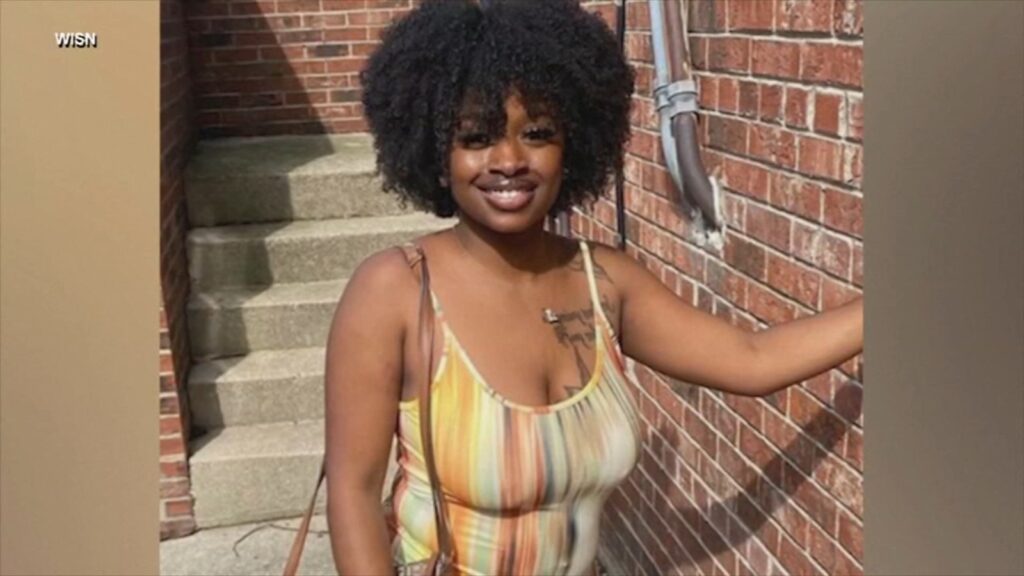
Sade Robinson was reported missing in April 2024. What followed was a weeks-long search that ended in horror: her body parts were found scattered across Milwaukee and surrounding areas. Maxwell Anderson was convicted of her murder and is scheduled to be sentenced to life in prison on August 1.
But Robinson’s family, particularly her mother Sheena Scarbrough, says the true fight for justice has just begun—and must now include systemic change.
“Her justice just got started. It’s going to be ongoing for a very long time,” Scarbrough said at a press event in Madison on Friday. “This is not a club you want to join.”
Third Attempt at Legislation
State Representative Shelia Stubbs (D-Madison) has now introduced legislation for the third time to create a 17-member Missing and Murdered Black Women and Girls Task Force. The proposed task force would investigate systemic causes of violence, compile accurate data, improve coordination among agencies, and recommend concrete legislative solutions.
Despite Governor Tony Evers supporting the effort and even including funding for the task force in his previous budget proposal, the initiative has never made it into law. Stubbs expressed deep frustration at the inaction:
“It is not fair to these victims and their families that they have to continue to wait,” she said. “How much longer must we wait before the state that we live in decides to do something about the worst disparity in the nation?”
A Crisis in Numbers
According to research published by The Lancet Medical Journal, Black women in Wisconsin were 20 times more likely to be murdered than white women between 1999 and 2020—the highest racial disparity in homicide rates among women and girls across 30 U.S. states.
In 2020 alone, Wisconsin had the highest homicide rate for Black women and girls in the country.
Voices from Families Still Waiting
Scarbrough is not alone. Other families are demanding justice and recognition as well. Tanesha Howard, whose daughter Joniah Walker disappeared in 2022 at age 15, still has no answers.
“I haven’t even been able to grieve,” Scarbrough said. “When you have a missing or murdered individual, there needs to be a systemic way of having the data, triaging it, getting resources quicker.”
The task force, if approved, would include family members of victims, along with law enforcement, legal experts, and victim advocates. Oversight would likely fall to Attorney General Josh Kaul and the Wisconsin Department of Justice, who both support the measure but emphasize that legislative approval and funding are essential.
“We don’t just want to have a task force that meets and develops solutions that then don’t go anywhere,” Kaul warned.
Legal Experts: Delay Comes at a Cost
Legal analysts say the state’s failure to act on past legislative proposals has contributed to an erosion of public trust in law enforcement and public safety among marginalized communities.
“This is not just about crime; it’s about civil rights, data equity, and government responsibility,” said one civil rights attorney in Milwaukee. “These women are not invisible. The law must say so, too.”
What Comes Next?
The bill is expected to return for debate during the upcoming legislative session. In the meantime, family members and supporters continue to organize and push for bipartisan backing.
For Sheena Scarbrough, the campaign is personal—but it’s also about every woman whose name didn’t make headlines.
“Our queens deserve more than delay,” she said. “They deserve justice, answers, and action.”