When Sigin Ojulu — better known online as @nubia.the.creator — posted her latest reflection on technology and human connection, it wasn’t just another influencer musing about digital detoxes. It was a wake-up call. A haunting one.
“We were promised connection,” she wrote. “Instead, we built devices that make us ghosts in real life.”
In an era where “smart” glasses, AI companions, and virtual social spaces dominate the cultural conversation, Ojulu’s critique cuts deep.
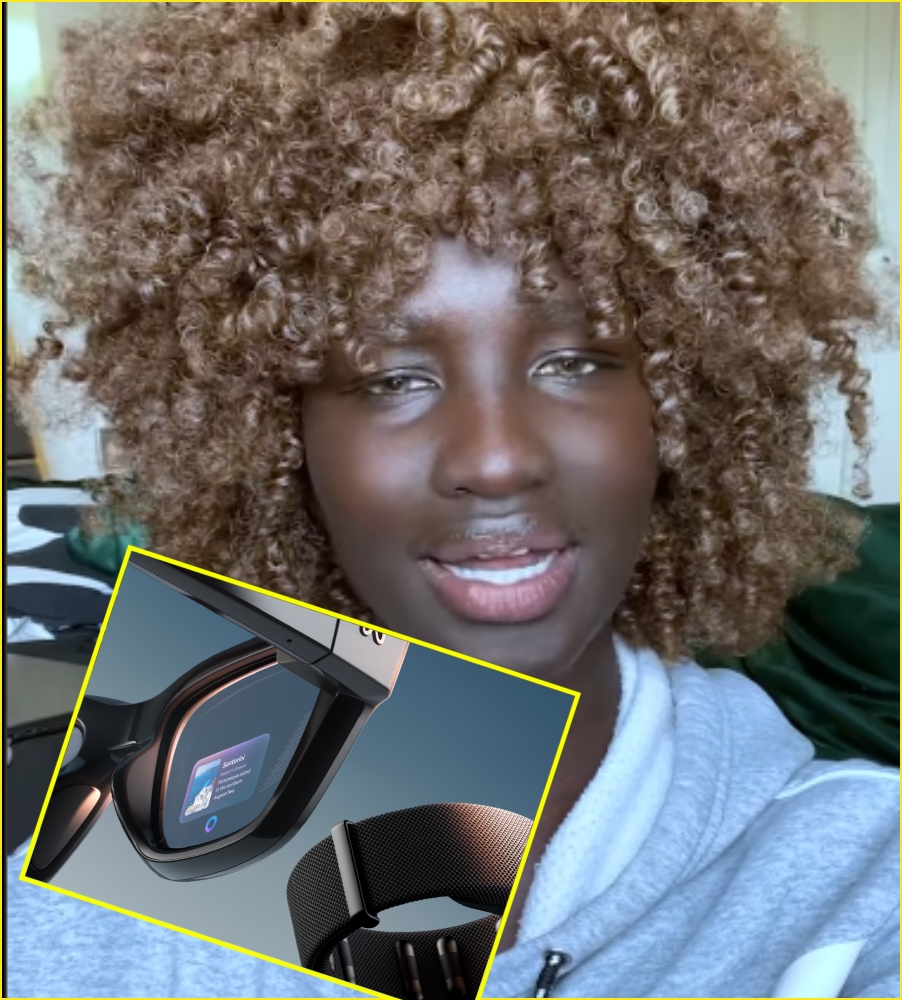
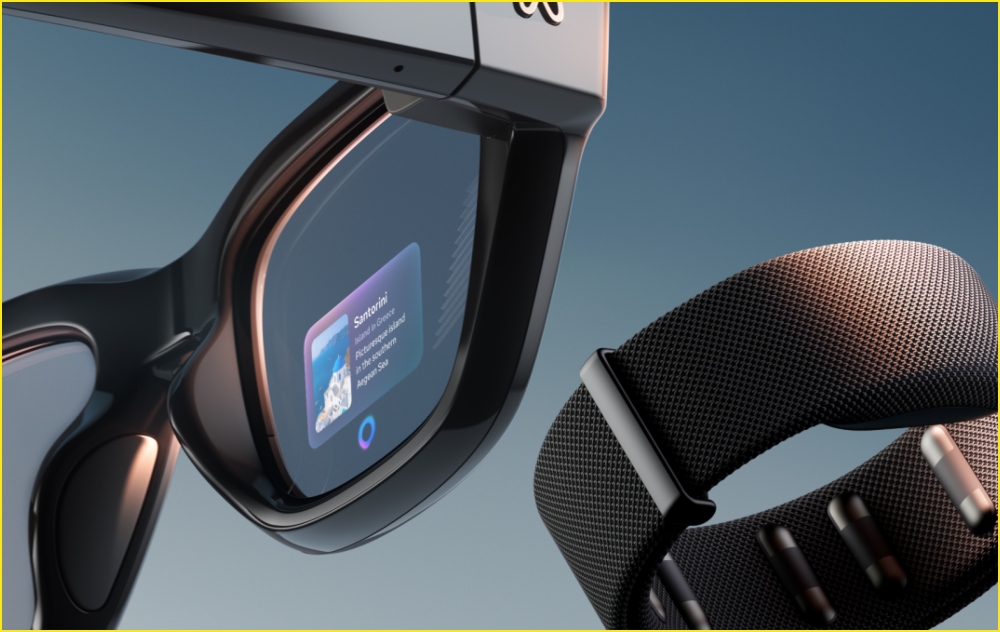
Her post, accompanied by a short video recounting her day wearing Meta’s AI-powered Ray-Ban glasses, turned into an unintentional social experiment — one that exposed a disturbing reality about modern human isolation.
The Experiment: A Day Without Speaking
Ojulu explains that after putting on her Meta smart glasses, she spent an entire day in Cartagena without uttering a word.
She didn’t plan to isolate herself — it just happened.
“I had my music, my podcast, and when my Uber driver spoke to me in Spanish, I just silently translated his speech through the glasses,” she said. “Instant answers. No small talk. No friction. No connection.”
Her reflection touches on something both subtle and tragic: technology has made it possible to glide through the world without engaging with it.
She realized that the “inconveniences” of human interaction — awkward silences, misunderstandings, even minor annoyances — are not flaws in the system, but the point of being human. They are how we grow, bond, and evolve.
The Bigger Problem: Tech’s Architects Don’t Understand Connection
Ojulu’s commentary digs even deeper than a critique of social media or wearable tech — she questions the emotional intelligence of the people designing these tools.
“Our social fabric is being designed by people who do not have social skills themselves,” she argues.
And she’s not wrong.
Silicon Valley’s culture has long been dominated by male-led, data-driven environments that value control and optimization over empathy and connection. Ojulu connects this lack of socialization to a broader societal fallout — the rise in anxiety, loneliness, online misogyny, and even the increase in suicide rates among teenage girls.
“It does matter that the majority of these companies are male-led,” she adds, “because across cultures, men are not socialized to nurture and foster intimate human connections. So we’ve built systems optimized not for empathy, but for control.”
Her analogy is sharp and biting: “It’s like investing billions of dollars into a man who’s never been on a date to build the world’s biggest dating app.”
The Hidden Cost of “Free” Platforms
Ojulu also dismantles the illusion that platforms offering “connection” are actually democratizing information.
“Isolation is sold to us as self-sufficiency,” she says. “The democratization of information is just a Trojan horse for surveillance.”
She points out that while tech companies market their tools as liberating, the real price users pay is steep — their time, attention, truth, and sense of reality itself.
This argument isn’t new, but it’s striking when voiced by someone who speaks from lived experience within digital spaces. As an artist, activist, and creator, Ojulu straddles both worlds — the creative one that thrives on connection and the technological one that profits from disconnection.
A Glimpse of Hope: “Maybe This Is the Resistance”
Despite her bleak observations, Ojulu’s message isn’t nihilistic. It’s deeply human — even spiritual. She believes that those who still “feel something when they look at the world” are part of the resistance to a digital dystopia that profits from numbness.
“Advanced technology for human connection isn’t going to come from Silicon Valley,” she reminds her followers. “It’s going to come from us — from artists, outsiders, and communities who still feel something.”
Her words echo a growing cultural movement that rejects algorithmic living and seeks meaning beyond screens. In a world where convenience has replaced connection, Ojulu’s call feels less like nostalgia and more like defiance — a reclamation of what it means to be alive, aware, and together.
The Takeaway
Ojulu’s insight is part social critique, part moral compass. Her experiment with Meta’s smart glasses wasn’t just a tech review — it was a mirror held up to society’s quiet unraveling.
We were promised connection. What we built instead were walls of glass and code — tools that see and hear us, but can’t truly know us.
The question isn’t whether the technology will advance. It will. The question is whether we’ll still recognize each other when it does.