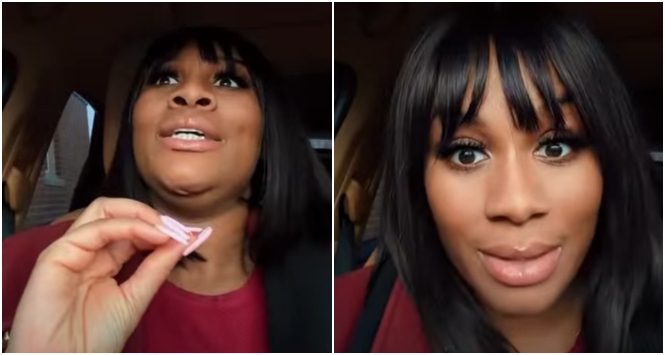
Dating and self-help content creator Mandy Wesson is urging women to rethink the popular “ride-or-die” relationship mindset.
She is telling women that strategy—not struggle—should guide modern dating decisions.
“You are not a rehabilitation center. You are a destination,” Wesson said in a widely shared post on her Instagram platform, presenting her advice as a shift away from emotional labor in relationships toward self-preservation and intentional partnership.
Challenging the “Ride-or-Die” Narrative
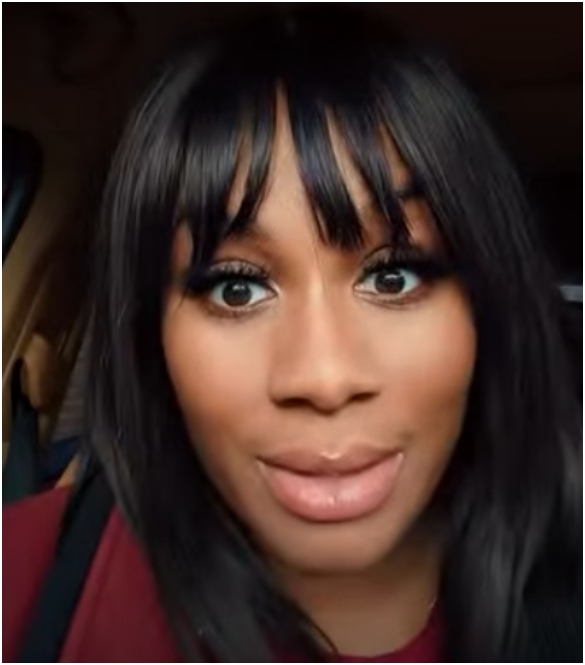
In her post and accompanying video, Wesson cautioned women against entering relationships with men who are still navigating financial instability, emotional growth, or personal direction.
“A man in his struggle season does not need a girlfriend. He needs to lock in,” she said, stating that attempting to support a partner through unresolved challenges can lead to imbalance.
She added that women who take on that role risk becoming what she described as an “emotional support animal,” rather than an equal partner in a stable relationship.
Her message, shared under hashtags like #StrategicDating and #KnowYourWorth, has gone viral with audiences, particularly younger women navigating evolving dating norms.
A Shift Toward “Strategic Dating”
Wesson’s advice reflects a broader trend in Interpersonal Relationships discourse, where conversations around boundaries, emotional labor, and self-worth are becoming more prominent.
Relationship experts note that her framing aligns with growing emphasis on “intentional dating”—a concept that prioritizes compatibility, stability, and shared readiness over traditional ideals of loyalty through hardship.
“Her message is essentially about timing and alignment,” said some analysts of modern dating culture. “The idea is that both partners should come into a relationship prepared, rather than relying on one person to stabilize the other.”
Mixed Reactions Online
As with many viral relationship takes, Wesson’s comments have drawn both praise and criticism.
Supporters argue that her advice empowers women to avoid emotionally draining relationships and to prioritize their own growth. Critics, however, say the perspective may overlook the realities of building partnerships through difficult periods, which many view as a natural part of long-term commitment.
Still, Wesson clarified that her stance is not against supporting a partner altogether, but against doing so at the expense of one’s own well-being.
“Date smarter, not harder,” she said. “You’re single—not stupid.”
Reflecting Changing Relationship Norms
Wesson’s post highlights a cultural shift in how relationships are being defined, particularly in the age of social media where personal philosophies can quickly gain traction.
Experts say the debate ultimately underscores a larger question facing modern daters: whether love should be rooted in shared growth through struggle, or in mutual readiness from the start.
As discussions continue online, one thing is clear—Wesson’s message has struck a nerve, challenging long-held beliefs about loyalty, sacrifice, and what it means to build a lasting relationship.