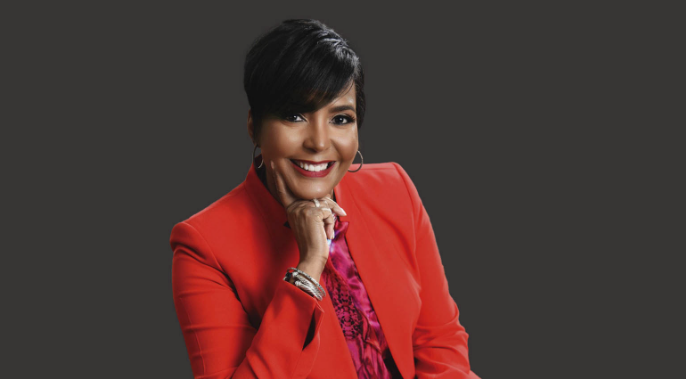
Democratic gubernatorial nominee Keisha Lance Bottoms is signaling that voting rights protections and election access will sit at the center of her agenda if she wins Georgia’s governor’s race in November.
“What I can do when, God willing, I’m elected governor of the state, one, will be to veto any maps that attempt to dilute minority participation in the state,” Bottoms said recently during an appearance on PoliticsNation with civil rights leader Al Sharpton.
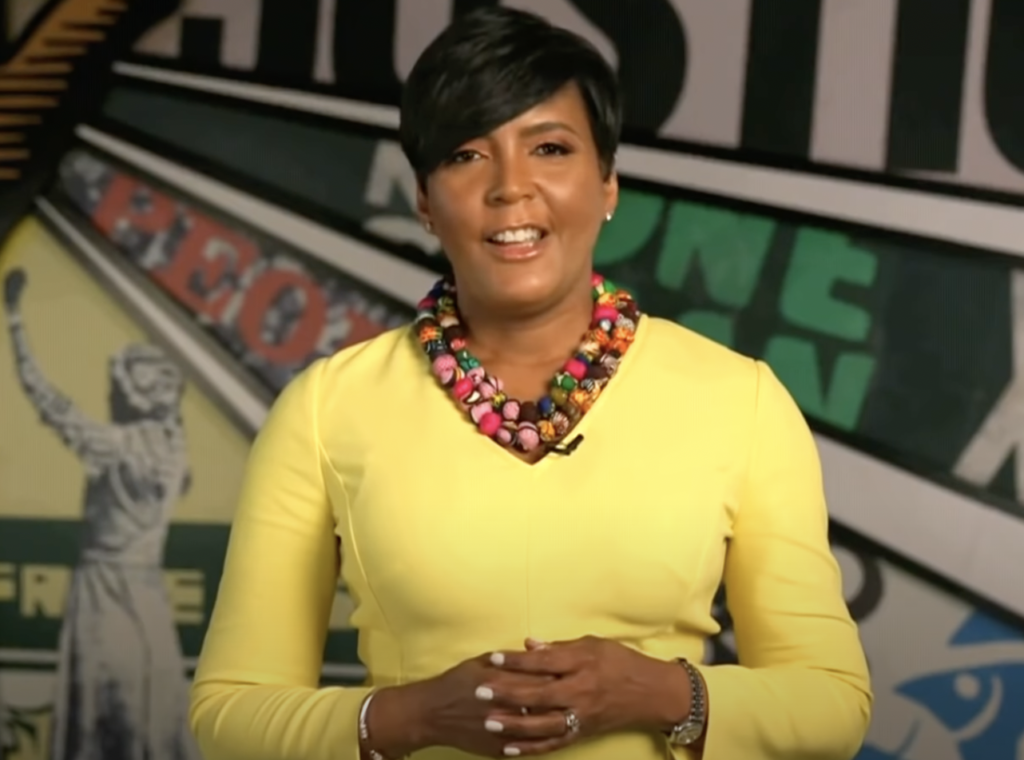
Her remarks are gaining renewed attention after Bottoms secured the Democratic nomination for governor on May 19, delivering a decisive primary victory that avoided a costly runoff and immediately positioned her as Democrats’ standard-bearer heading into the general election.
The former Atlanta mayor has framed her campaign as both a referendum on voting access in Georgia and a broader effort to protect what she describes as free and fair democratic participation.
In a social media post released before her primary victory, Bottoms pledged that “when we elect Keisha as governor, we will elect a champion for Georgians’ voting rights.”
“As governor, Keisha will veto any voting maps that diminish fair representation and she will protect access to free and fair elections in Georgia,” the post stated.
Bottoms tied those promises to what she calls the “Johnson-Lewis Voting Rights Act,” a Georgia-focused voting rights proposal named after late Congressman John Lewis and former Georgia state senator Leroy Johnson.
According to Bottoms, the proposal would expand voter access through several measures, including allowing college identification cards to be used for voter registration, implementing same-day voter registration, extending early voting periods and restoring ballot drop boxes.
“It is just about free and fair access to the right to vote,” Bottoms said.
Her focus on voting rights comes as Georgia remains one of the nation’s most fiercely contested political battlegrounds and continues to face legal and political battles over redistricting maps, ballot access laws and election administration.
Bottoms’ vow to block maps she believes weaken minority voting strength also places her directly into ongoing national debates over racial gerrymandering and representation in Southern states.
Political analysts say her position could energize Black voters and voting rights advocates while also becoming a major flashpoint in a likely general election battle against a Republican nominee aligned with former President Donald Trump.
Bottoms has also argued that Democratic victories further down the ballot will be critical to advancing her agenda.
“We know Georgia has the opportunity to turn completely blue,” she said. “We got to flip the statehouse and the state Senate as well.”
Her primary victory followed a campaign built heavily around executive leadership experience, voting rights advocacy and her visibility as both Atlanta’s former mayor and a senior adviser to former President Joe Biden, who endorsed her candidacy.
While supporters view Bottoms as a proven Democratic leader capable of mobilizing Georgia’s diverse coalition of voters, critics continue to raise questions about controversies during her mayoral administration, including public safety concerns and unrest during the COVID-19 pandemic era.
Still, Bottoms has consistently portrayed herself as a pragmatic leader willing to balance public safety, economic growth and civil rights protections.
Now, with the Democratic nomination secured, her comments on voting rights may offer one of the clearest previews yet of what a Bottoms governorship could prioritize if she wins in November: aggressive protection of ballot access, resistance to redistricting efforts viewed as discriminatory and a broader push to reshape Georgia’s electoral landscape.