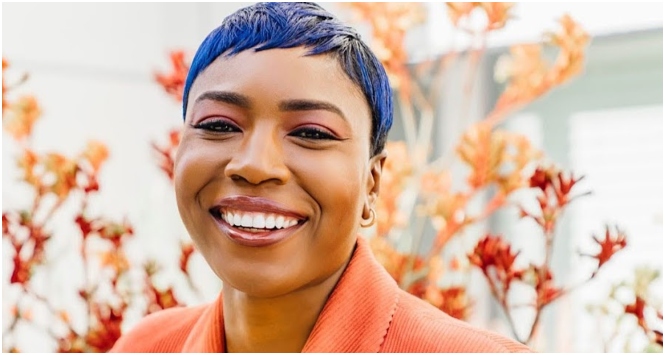
Coach, author, and speaker Wemi Emi Opakunle is inspiring conversation online after sharing a reflective message about personal growth, aging, and the emotional cost of staying attached to past versions of ourselves.
In a widely shared Instagram video, Opakunle spoke candidly about lessons she has learned while approaching her 42nd birthday, encouraging viewers to stop allowing old identities, regrets, or past experiences to dictate their future.
“You have to pick one,” she said. “Who you used to be or who you want to be.”
The statement quickly resonated with audiences navigating career changes, healing journeys, failed relationships, and personal reinvention. Many viewers described the message as both confronting and liberating, particularly for adults entering new phases of life in their 30s and 40s.
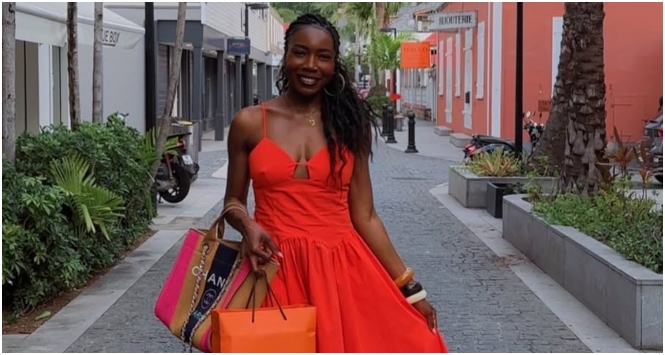
Opakunle explained that one of the most important realizations she has had over the years is that growth often requires letting go of emotional attachment to the past.
“You cannot build a future while reasoning with the past,” she said.
The life coach framed the issue not simply as motivation, but as a decision about identity and focus. According to Opakunle, people often struggle to move forward because they continue negotiating with former versions of themselves rather than fully embracing who they are becoming.
“Which do you want more?” she asked viewers. “Your past or your future?”
She also referenced teachings by author and spiritual teacher Eckhart Tolle, noting that both the past and future are ultimately experienced through the present moment.
“The past doesn’t exist. The future doesn’t exist. Only the now ever exists,” Opakunle said.
The video arrives amid growing online conversations surrounding self-development, emotional healing, mindfulness, and reinvention later in adulthood. Social media has increasingly become a platform where creators discuss burnout, self-worth, therapy, aging, and the pressure many adults feel to “have life figured out” by a certain age.
Opakunle’s message stood out because it focused less on external achievement and more on internal alignment, the idea that transformation begins when people stop defining themselves solely by previous mistakes, heartbreaks, limitations, or identities.
The clip also resonated with women in particular, many of whom commented that they related to the challenge of evolving while still carrying expectations tied to earlier chapters of their lives.
By the end of the video, Opakunle reframed personal growth as an active choice rooted in the present moment rather than in regret or fear.
“I guess the real question is,” she said, “which one do you want more, your past or your now?”