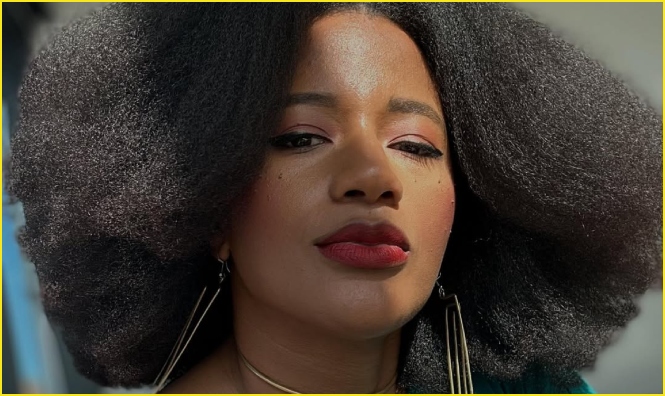
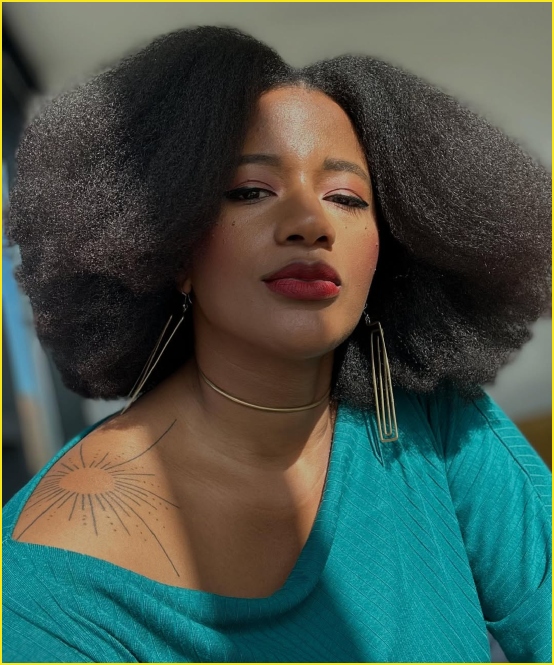
When CurlMix co-founder Kim Lewis delivered a video appeal to her community this month, her words weren’t about expansion or the next big launch. Instead, she issued an urgent request: help save the company.
The Chicago-based clean hair-care brand — once hailed as a Black-owned success story — now says it must secure 20,000 orders in the next 60 days to avoid shutting down. Lewis cites soaring ingredient, shipping and tariff costs, drying up capital, and a radically downsized staff.
“This has been the most difficult year in business. … Our team went from size 40 to 14,” she said. “We need 20,000 orders in the next 60 days. I just need help one last time.”
Once Soaring, Now Stalled
CurlMix’s trajectory seemed unstoppable.
After appearing on Shark Tank in 2019 (where the founders rejected a $400K for 20% deal), the brand turned to equity crowdfunding and raised millions — over $3 million in 2021 alone.
It grew from a niche DIY-box into a full hair-care line, landed in retail, and positioned itself as a model for community-driven entrepreneurship. But now, even Kims’s transparency and base of backers aren’t enough to offset current headwinds.
Why This Crisis Signals a Bigger Problem
1. Black-owned brands face structural funding disadvantages.
Lewis has long spoken out about how traditional venture capital largely excludes Black women. CurlMix’s turn to crowdfunding was both innovative and necessary — but crowdfunding alone wasn’t enough to carry the business through turbulent times.
2. Consumer goods brands are squeezed by costs.
Lewis blamed rising ingredient costs, slowing shipping, and tariffs as key pressures. These are not isolated issues — beauty-care startups are contending with global supply-chain disruptions, inflation and margin pressure across the board.
3. “Community purchase” as survival tactic underlines fragility.
CurlMix’s campaign asks supporters to buy a $100 “Protect CurlMix Bundle” to help keep the business alive. That approach — self-funding via loyal customers — illustrates how much more precarious the position is when other capital is unavailable.
What Comes Next?
- Short-term pinch: If CurlMix fails to hit its target, it risks layoffs, deeper cuts or even closure. That outcome would be a blow not just to this brand but to a much-needed narrative of Black-owned business success in beauty.
- Long-term reckoning: Brands like CurlMix may prompt a broader question: Can independent, Black-owned beauty startups survive the same market forces as major consumer-goods companies? If not, what structural changes are needed?
- Potential path forward: If CurlMix succeeds, the story becomes one of resilience. But Lewis’s message suggests she views this as “one last time” to keep the company alive — and that underscores how thin the margin for error is.
Why This Story Matters
CurlMix isn’t just another beauty brand — it has symbolised Black entrepreneurial possibility, community ownership and an alternative to traditional VC-backed models. Its current crisis raises alarm bells for a broader ecosystem: When a business with millions raised, national exposure and a loyal customer base still struggles to stay afloat, it starkly illustrates how much harder the climb is for Black-owned ventures.
As one investor advisor put it, “Crowdfunding was a brilliant workaround — but it doesn’t replace institutional capital when the market turns.”
For those watching, CurlMix’s outcome will be both a test of a business and a bellwether for Black-owned brands navigating a tougher terrain.
The next 60 days won’t just decide this company’s future, they may also reshape how we think about ownership, funding and survival in consumer goods.