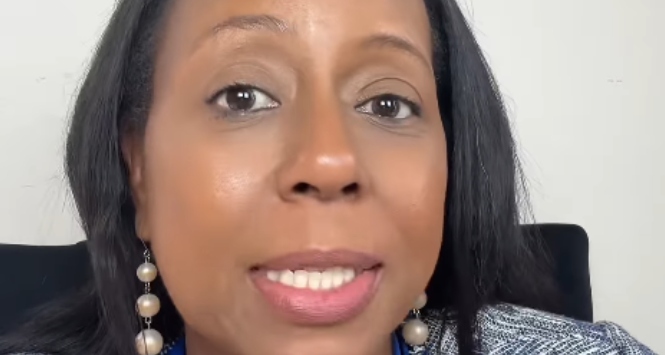
Georgia Republicans will not have the opportunity to redraw congressional maps ahead of the 2026 midterm elections, a development that some are hailing as a temporary win for voting rights advocates.
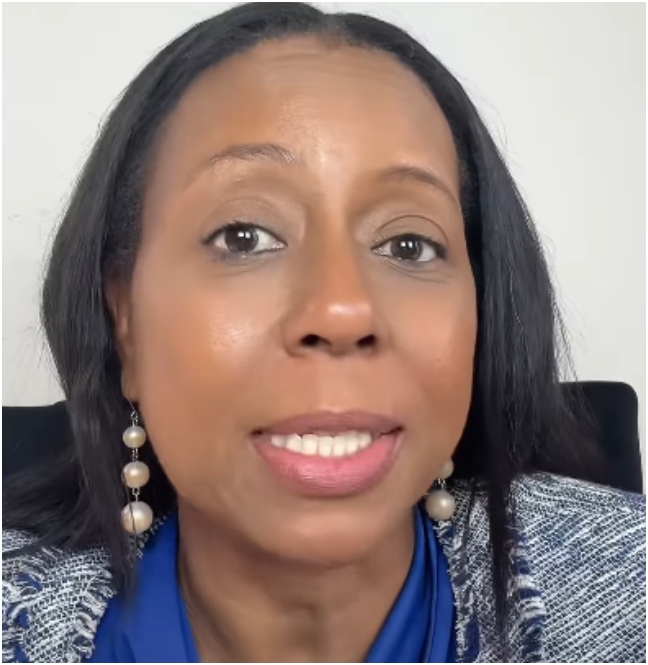
However, legal analyst and attorney Danielle Bess is cautioning voters against complacency, warning that the stakes of the 2026 elections extend far beyond a typical midterm cycle.
In a widely circulated social media post, Bess highlighted confirmation that Georgia Governor Brian Kemp will not call a special legislative session to revisit district maps before the next election.
The decision effectively blocks Republicans from attempting to redraw political boundaries in the short term, a move that could have reshaped electoral advantages.
“Georgia Republicans will not get a chance to redraw the maps before the 2026 elections… that is a win. We’ll take it,” Bess said, acknowledging the immediate relief felt by some observers.
But her message quickly pivoted to a broader and more urgent warning about what lies ahead.
‘2026 Isn’t Just a Midterm’
According to Bess, conversations with national political strategists have underscored a critical reality: the officials elected in 2026 will play a decisive role in determining the outcome of the 2028 presidential election.
“The people we elect in 2026 are the same people who will control the 2028 presidential election,” she said. “Legislators send the electors. Members of Congress certify the electoral vote. So the 2026 midterms aren’t just about the midterms—this is the 2028 infrastructure that we are voting on.”
Her remarks reflect growing concerns among legal experts and political analysts about the expanding influence of state legislatures and Congress in the electoral certification process, particularly following disputes over election outcomes in recent years.
A Warning Against Voter Apathy
While the absence of immediate redistricting changes may ease tensions in Georgia’s political landscape, Bess stressed that disengagement could carry significant consequences.
“We cannot sleep on what’s happening in 2026,” she warned. “If we stay home and the wrong people win those seats, we are handing over the power to decide who becomes president.”
Her comments echo a broader national conversation about voter participation, election integrity, and the evolving mechanics of American democracy.
With legislative bodies playing a key role in certifying presidential results, control of these institutions has taken on heightened importance.
Broader Implications
Georgia has remained a focal point in U.S. electoral politics in recent years, often serving as a battleground state in both presidential and congressional races. Decisions surrounding redistricting, voter access, and election oversight continue to draw national attention.
While the immediate threat of redistricting before 2026 appears to be off the table, Bess’s warning suggests that the political fight is far from over.
“The conversation is not just about maps,” she implied. “It’s about power, and who ultimately holds it.”
As the countdown to the 2026 midterms begins, analysts say voter engagement, legislative control, and election oversight will remain central to shaping not only Georgia’s future, but the trajectory of the 2028 presidential race as well.