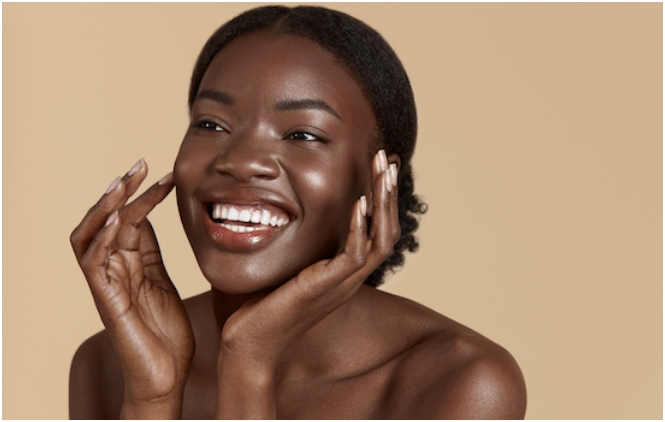
From magazine covers to viral TikTok trends, the undeniable radiance of Black women is finally being recognized. There’s actually real science behind that glow of Black women! Yes, it’s more than just beauty—it’s biology, resilience, and melanin magic.
This article examines why Black women’s skin is uniquely radiant, tracing its roots to history, physiology, and the cultural significance of self-care.
What Is Melanin?
Melanin is the pigment responsible for the color of our skin, eyes, and hair. Produced by specialized cells called melanocytes, melanin comes in two primary forms: eumelanin (brown-black) and pheomelanin (red-yellow). Black women predominantly produce higher levels of eumelanin, which contributes to darker skin tones—and a host of skin health benefits.
But melanin isn’t just about color. It plays a critical role in protecting the skin from ultraviolet (UV) radiation, reducing oxidative stress, and slowing visible signs of aging.
Fact Check: According to a 2010 study published in the Journal of the American Academy of Dermatology, darker skin has a natural SPF of about 13, compared to an SPF of 3 in fair skin.
The Built-In Glow: Why Black Skin Reflects Light Differently
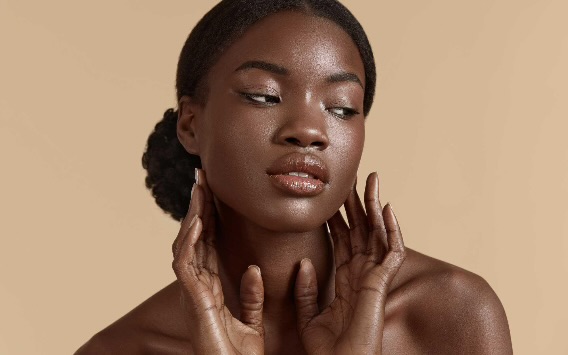
What many refer to as the “Black girl glow” is often a result of how eumelanin absorbs and scatters light. The structure of darker skin allows it to reflect light more evenly, giving it a natural radiance. This is amplified by increased oil production (sebum), which helps the skin maintain a healthy, dewy look—especially when properly hydrated and cared for.
While excess oil can lead to breakouts for some, when balanced, it adds to that signature glow that skincare enthusiasts try to replicate with highlighters and serums.
Aging Gracefully: The Science of Youthful Skin in Black Women

Black skin tends to show signs of aging more slowly. Wrinkles, fine lines, and sagging are less pronounced due to higher levels of collagen and a thicker dermis, the layer of skin responsible for structural integrity.
Research Insight: A 2016 study in the Journal of Clinical and Aesthetic Dermatology found that African American women showed significantly less facial wrinkling than their Caucasian counterparts in the same age groups.
While hyperpigmentation (dark spots) can be a concern, the overall firmness and elasticity of Black skin make it more resistant to photodamage—sun-induced aging—than lighter skin types.
Unique Challenges: Hyperpigmentation and Skin Sensitivity
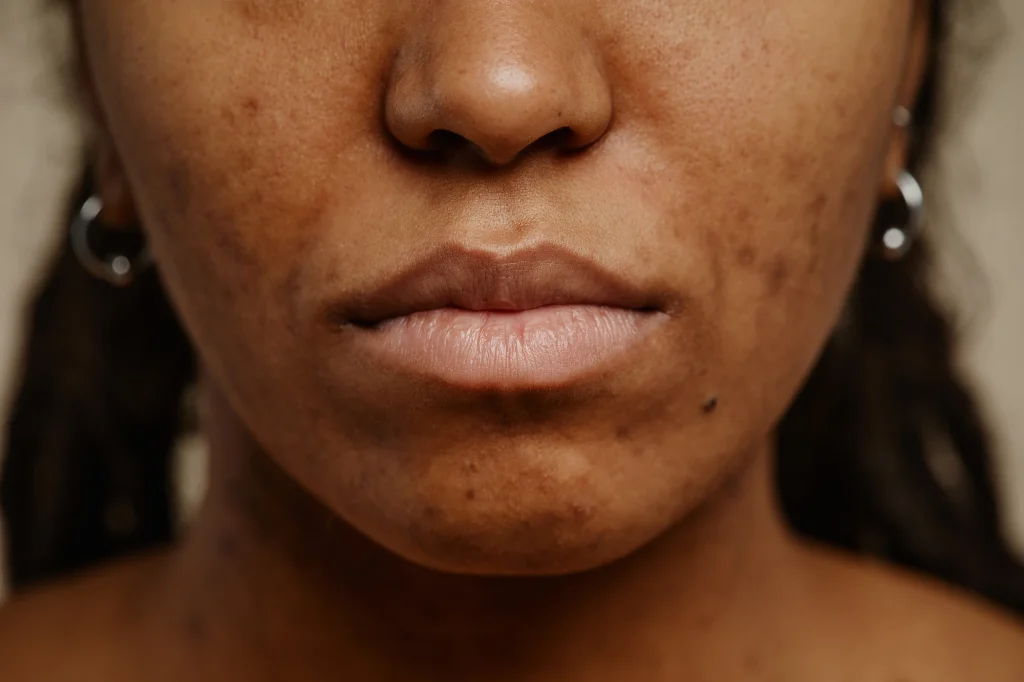
Despite the glow, Black women also face unique dermatological challenges. Hyperpigmentation is one of the most common concerns—often caused by acne scars, inflammation, or hormonal changes. Because melanin-producing cells are more active, any trauma to the skin (even mild) can result in dark spots or uneven tone.
Another challenge: Many skincare products and treatments are still tested primarily on lighter skin, which can make finding effective, non-irritating solutions difficult for women of color.
Stat Alert: A 2019 report from the American Academy of Dermatology noted that only 4.5% of dermatologists in the U.S. are Black, despite the growing need for culturally competent care in skincare and dermatology.
The Cultural Component: Self-Care as Resistance
For Black women, glowing skin isn’t just science—it’s a cultural legacy. From shea butter passed down through generations to modern rituals blending ancestral wisdom and clinical science, skincare is an act of self-love and survival.
Brands like Bolden, Hyper Skin, and Topicals, all founded by women of color, are revolutionizing the skincare industry by creating products that address melanin-rich skin’s unique needs—while celebrating beauty from the inside out.
Case in Point: TikTok influencer and esthetician @nayamka.robertssmith, known for coining “the 60-second rule” for facial cleansing, has sparked a new generation of Black women embracing dermatological best practices tailored for them.
Skincare Tips Backed by Science (And Loved by Black Women)
- Hydration is key. Melanin-rich skin tends to have more surface-level oil but still requires deep hydration to maintain elasticity and glow. Look for products with hyaluronic acid and glycerin.
- Sunscreen is non-negotiable. While melanin offers some natural protection, SPF 30+ is essential to prevent hyperpigmentation and long-term damage.
- Gentle exfoliation works wonders. Because Black skin can be more prone to scarring, opt for mild chemical exfoliants like lactic acid over abrasive scrubs.
- Targeted treatments help. Ingredients like niacinamide, licorice root extract, and azelaic acid can effectively treat hyperpigmentation without irritation.
- Consult a dermatologist of color. They often understand the nuances of melanin-rich skin better and can offer more personalized solutions.
The Glow Is Political—and Powerful

The “Black girl glow” is more than just healthy skin—it’s a response to centuries of being told that Black skin wasn’t beautiful. It’s a declaration that beauty doesn’t come in a single shade. It’s about pride, knowledge, and community.
In 2025 and beyond, that glow is a movement—fueled by science, nurtured by culture, and celebrated unapologetically.
Final Thoughts
From cellular biology to cultural heritage, the reasons Black women glow differently are as multifaceted as they are magnificent. It’s a glow steeped in science, but powered by history, resilience, and self-love. Understanding that truth is the first step toward honoring it—because when you understand melanin magic, you understand that radiance is more than skin-deep.
Recommended Reading:
- Skin of Color: A Practical Guide to Dermatologic Diagnosis and Treatment by Andrew F. Alexis, MD
- Beyond the Pale: The Science of Skin Color by Vicki Cobb
- Black Skin, Black Masks: The Politics of Skin Tone in Black Communities (Journal Article)