A growing backlash is emerging against what critics describe as a media-driven effort to recast U.S. Representative Marjorie Taylor Greene as a newly credible political figure.
Commentators are warning that attempts to soften her image risk obscuring a long record of extremism and inflammatory conduct.
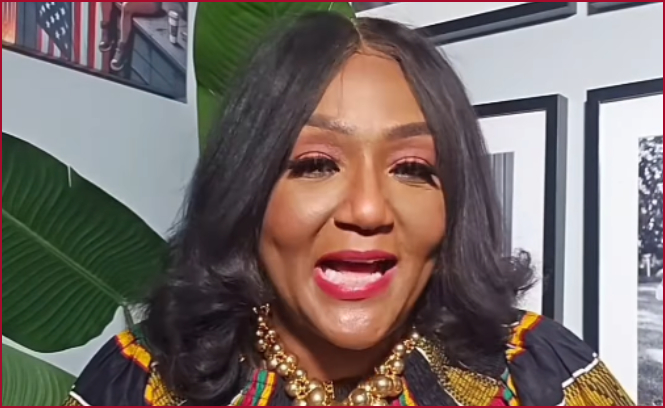
The latest criticism comes from cultural commentator Nikki Free, who, in a widely shared Instagram post, accused mainstream media outlets of promoting what she called a “redemption arc” for the Georgia Republican.
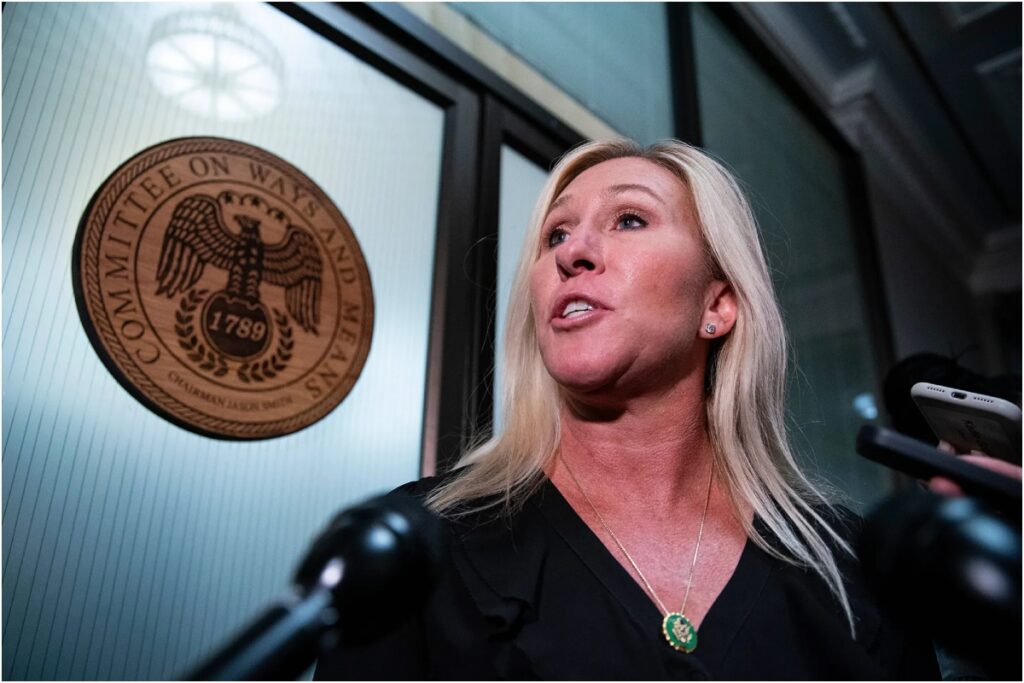
Free argued that Greene’s recent willingness to distance herself from President Donald Trump and criticize aspects of his rhetoric has prompted a shift in coverage that frames her as a principled dissenter rather than a polarizing figure.
In a video accompanying the post, Free rejected that characterization outright, describing Greene as a central figure in the rise of political outrage culture rather than a victim of it.
She cited Greene’s past conduct, including her harassment of school shooting survivors, promotion of conspiracy theories widely criticized as racist or antisemitic, and her vocal role in amplifying rhetoric surrounding the January 6, 2021, attack on the U.S. Capitol.
According to Free, Greene’s influence did not emerge organically but was “elevated, amplified, and rewarded” through sustained media attention that prioritized controversy over accountability. She argued that outrage-driven coverage helped normalize extreme positions within the Republican Party and contributed to a broader erosion of democratic norms.
The critique comes as Greene has received renewed national attention following public breaks with Trump and comments warning about the political risks of continued MAGA-style rhetoric. Several major outlets have featured her in extended interviews and profile pieces, framing her as an independent voice willing to challenge her own party’s leadership.
Media analysts note that such coverage reflects a recurring tension in political journalism: the balance between reporting on evolving political dynamics and avoiding the uncritical rehabilitation of figures with controversial records. Critics argue that focusing on Greene’s recent statements without sustained context risks minimizing her past actions and their consequences.
Supporters of Greene, meanwhile, contend that shifts in tone and position should be acknowledged and that political figures should not be permanently defined by earlier affiliations. They argue that dissent within party ranks is newsworthy, particularly in an era of deep polarization.
Free’s intervention underscores a broader debate about accountability, extremism, and the role of the media in shaping political narratives. Her central warning is that reframing polarizing figures as statesmanlike without rigorous scrutiny may encourage, rather than deter, the forces that destabilize democratic discourse.
As the United States heads into another contentious election cycle, the dispute highlights how media framing itself has become a battleground—one where questions of profit, public interest, and historical memory continue to collide.