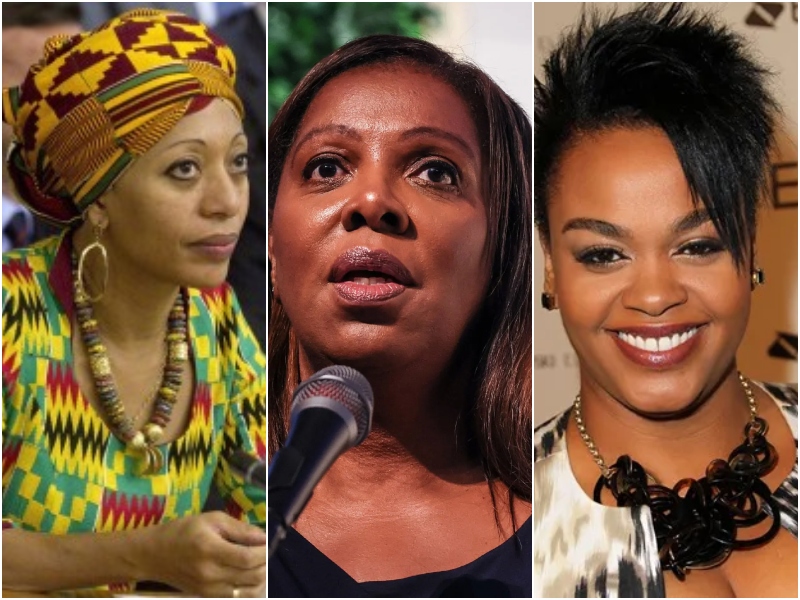
By the end of 2025, one reality had become undeniable: Black women were not merely shaping conversations—they were directing outcomes.
Across politics, culture, law, business, and technology, their leadership carried consequence. What follows is not a popularity list, but a snapshot of authority, achievement, and trajectory.
Five Black Women Who Defined 2025
1. Letitia James (United States) — Law & Democracy
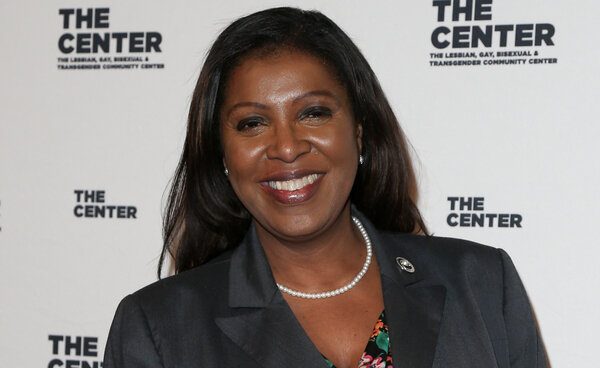
As New York Attorney General, Letitia James emerged in 2025 as one of the most consistent institutional counterweights to federal overreach. Her litigation strategy, coalition-building with other attorneys general, and unapologetic defense of constitutional norms positioned her as one of the most consequential legal actors of the year. James did not just resist power—she reframed accountability.
2. Simone Biles (United States) — Sport & Mental Health Advocacy
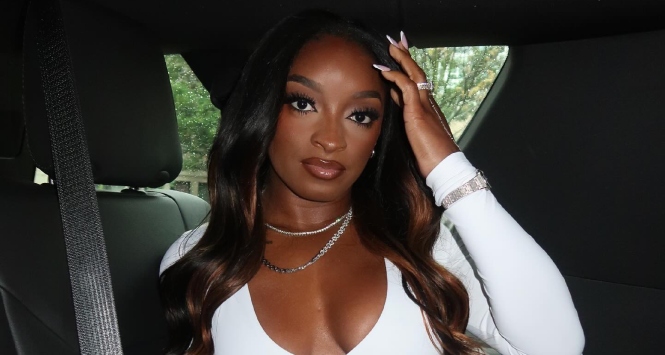
In 2025, Simone Biles’ influence extended far beyond gymnastics. Her continued advocacy around athlete mental health and bodily autonomy reshaped expectations in elite sports globally. She proved that dominance does not require self-erasure—and that vulnerability, when owned, can redefine excellence.
3. Jill Scott (United States) — Culture & Longevity

With the announcement of To Whom This May Concern, Jill Scott reclaimed space for mature, intentional artistry in an industry obsessed with immediacy. Her return reminded audiences and executives alike that Black women artists can step away, return on their own terms, and still command cultural gravity.
4. Samia Nkrumah (Ghana) — Pan-African Political Thought
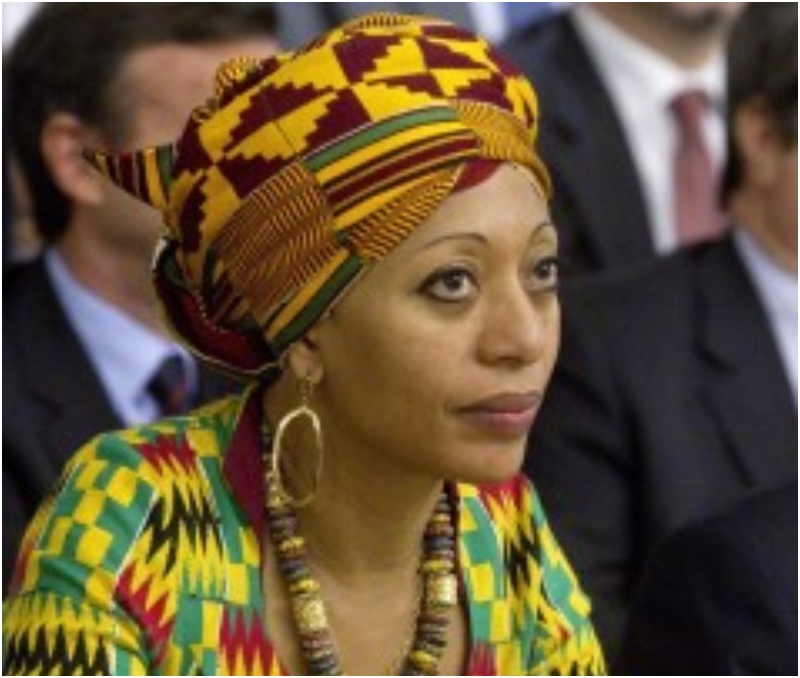
In 2025, the daughter of Ghana’s first president, Kwame Nkrumah, Samia Nkrumah renewed visibility in Pan-African discourse—through policy forums, public commentary, and institutional advisory roles. This cemented her as a bridge between historical political ideology and contemporary African governance debates.
5. Tems (Nigeria) — Global Music Power
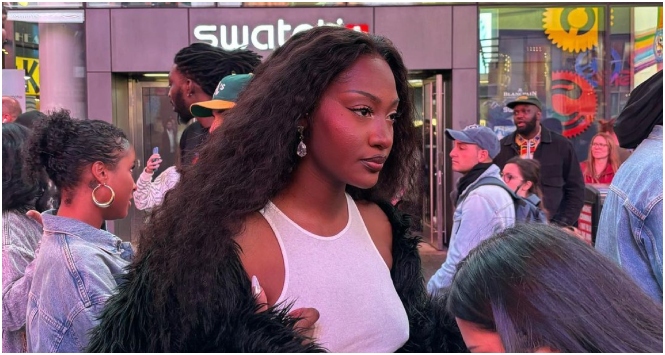
Tems spent 2025 consolidating her position as one of Africa’s most influential global artists. Her songwriting credits, collaborations, and controlled public presence reflected a strategic mastery of global music markets without cultural dilution.
Five Black Women Poised to Take Over 2026
These are not guesses—they are trajectory-based projections grounded in current positioning.
1. Zohran Mamdani’s Chief Legal Allies — Led by Letitia James (U.S.)
While Mamdani takes executive office, it is Black women like James who are positioned to define the legal perimeter of progressive urban governance in 2026. Her role will likely expand from litigator to architect of resistance frameworks for state and city governments nationwide.
2. Ayanna Pressley (United States) — Federal Policy & Civil Rights
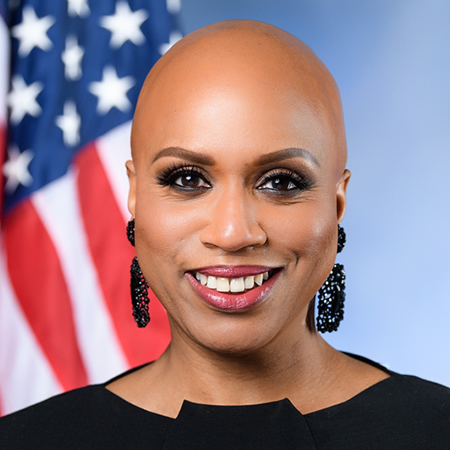
Pressley’s legislative focus on housing, healthcare equity, and surveillance reform places her at the center of 2026 debates on the future of civil liberties. As Congress confronts institutional legitimacy questions, her voice is expected to gain sharper national relevance.
3. Misan Harriman (UK/Nigeria) — Visual Culture & Power Narratives
Already reshaping how Black subjects are portrayed in global media, Harriman is positioned in 2026 to move further into institutional storytelling—curation, publishing, and visual diplomacy—at a time when narrative control is political capital.
4. Yara Shahidi (United States) — Education, Media & Thought Leadership
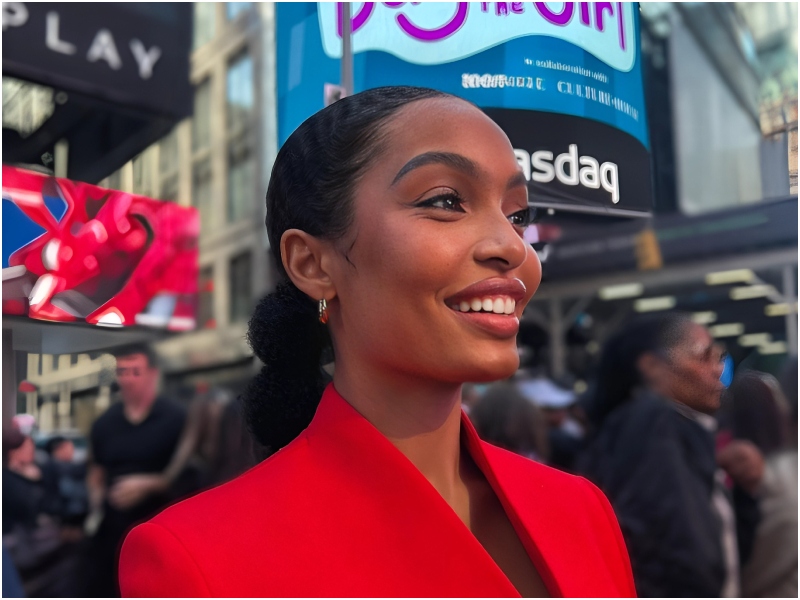
By 2026, Shahidi’s evolution from actor to intellectual-cultural figure is expected to mature fully. Her intersections with education, production, and activism position her as a defining voice for a generation navigating identity, citizenship, and power.
5. Angela Rye (United States) — Political Strategy & Media
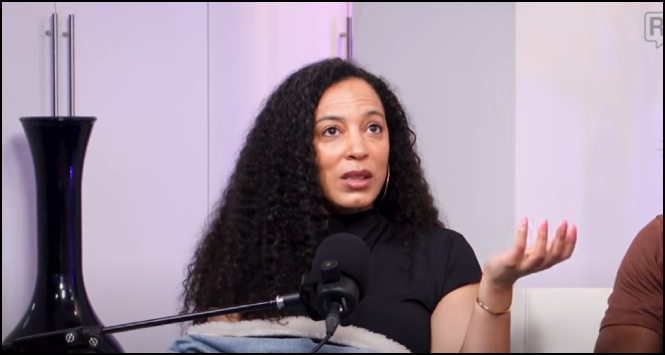
As traditional media credibility continues to erode, Rye’s legal background and strategic commentary make her well-positioned to shape next-generation political communication platforms—particularly those centered on accountability journalism and civic education.
Why This Moment Matters
What distinguishes these women is not visibility—it is command of systems. They influence law, markets, narratives, and norms simultaneously. Their leadership style is marked by:
- Precision over performance
- Institution-building over individual acclaim
- Longevity over virality
In a global environment defined by instability, the leadership model Black women are advancing—strategic, values-driven, and community-conscious—is no longer alternative. It is necessary.
The Bottom Line
2025 proved Black women could dominate without permission.
2026 will test how fully that dominance reshapes power itself.
The evidence suggests: dramatically.