
Danielle Moodie, a political content creator and communications strategist known for blunt, viral commentary, used a new Instagram video to tell Americans that one day of protest won’t be enough to meet what she described as “the scale of threat” facing American democracy.
In a more than two-minute clip posted Wednesday, Oct. 15, 2025, Moodie told viewers bluntly:
“I commend those that are going to go out and march, but I ask you to make a plan for what happens on October 19th and not just on what happens on October 18th.”
The post—captioned simply, “What is your plan AFTER #NoKingsDay?!?”—has been shared widely by activists and has already become a touchpoint in online political conversations.
Moodie’s message is part rallying cry, part organizing primer. She frames the moment as one in which opponents of the current federal administration are pushing hard on multiple fronts—court rulings, immigration enforcement actions and redistricting fights—and argues that a single demonstration is insufficient to blunt a sustained, multi-pronged effort she characterizes as authoritarian.
“We are dealing with fascism to a degree that this country has never seen,” she says in the video, referencing recent Supreme Court deliberations she says could further enable partisan gerrymandering and complaining about what she called public displays of aggressive enforcement by immigration agents. “One day isn’t going to cut it. We need a master plan.”
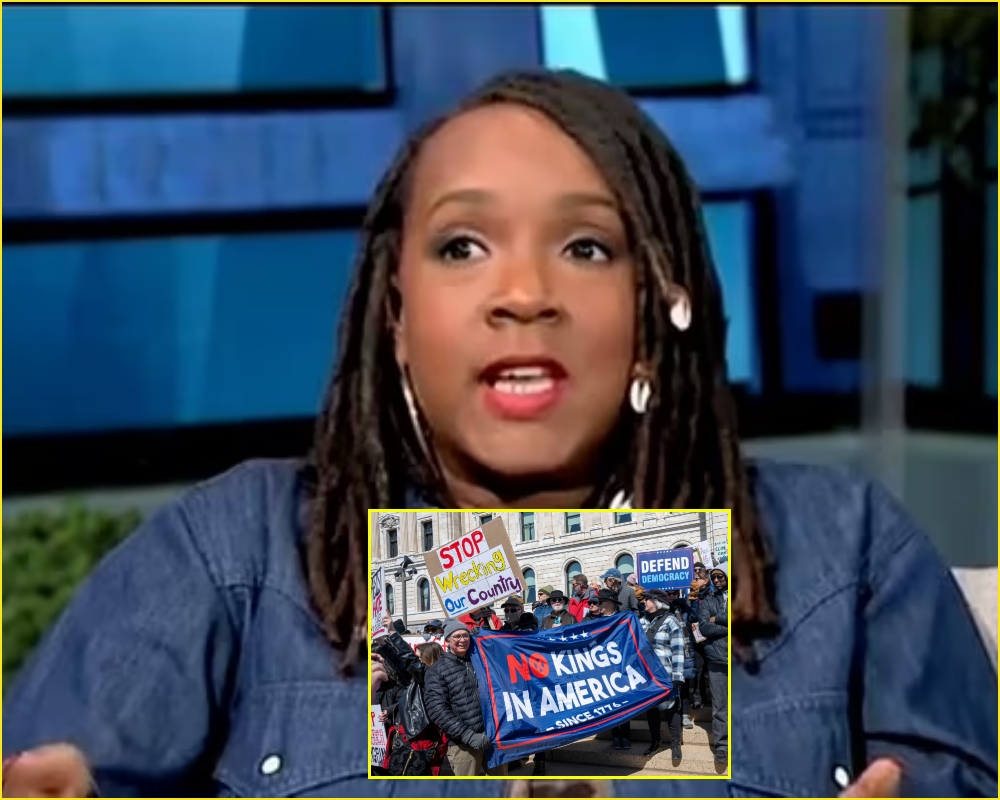
Moodie’s remarks landed as groups around the country prepare for protests organized under the banner of No Kings Day—a coordinated set of rallies and actions on Oct. 18, 2025, opposing perceived democratic backsliding under the Trump administration. For many organizers who share Moodie’s sense of urgency, the question she poses is practical: how to convert protest energy into durable civic power.
What “after” looks like
The practical ideas Moodie urged in her video are familiar to community organizers and legal advocates: sustained voter engagement, legal preparedness, and local-level power-building.
“Protests are the spark. The sustained work is voter registration drives, training poll monitors, building local candidate infrastructure, and keeping legal teams ready to document and challenge abuses,” said a longtime organizer who asked not to be named. “If you’re not planning for the day after, the day after will be the same as the day before.”
Moodie explicitly ties her call to recent institutional developments, urging followers to watch the courts and to organize “master plans” that include material readiness—cash, mutual aid, training—and civic steps like voter registration and monitoring.
She also invoked images of aggressive immigration enforcement and public demonstrations of force that have circulated across social media—images that have intensified anxiety and spurred calls for coordinated legal responses from civil-rights groups.
A humane argument — and a warning about fatigue
One of Moodie’s core appeals is emotional as much as strategic. In the video she acknowledges the near-constant drumbeat of bad headlines and the weariness it produces, but she flips that fatigue into a moral challenge:
“You have to ask yourself about your level of commitment to your freedom, not just for yourself, but for everyone around you.”
That line is resonant for activists who have felt cycles of outrage followed by organizational lull. Scholars of social movements say converting episodic protest into long-term movement growth requires institutional capacity—paid staff, training pipelines, legal partners, and funding—that many grassroots groups lack.
“For movements to win policy change, you need both the visible pressure of protest and less visible capacity-building,” said a political scientist who studies civic organizing. “That’s expensive and exhausting work, but it’s how a protest becomes a durable force.”
What organizers say people can do now
For readers wondering how to translate Moodie’s call into action, experienced street and civic organizers suggest several concrete steps:
- Join or help build local groups. Protests amplify attention; local groups win and protect power.
- Volunteer as or fund legal observers and rapid-response teams. Documenting abuses in real time makes later legal intervention possible.
- Register voters and support local candidates. Statehouses and city halls matter deeply to how policy is implemented.
- Invest in mutual aid and community infrastructure. Economic resilience reduces the leverage of punitive enforcement.
- Support civic-education and “get out the vote” efforts that persist between election cycles.
Moodie wrapped her video with an insistence that “No Kings Day” must not be a symbolic moment alone. For millions of Americans disillusioned with partisan rancor, her message is a reminder that democratic protection, activists say, is often quiet, tedious and unglamorous—work that happens in community centers, organizers’ living rooms and county registrar offices.
Whether her audience translates rhetoric into the sustained organizing she prescribes remains to be seen.