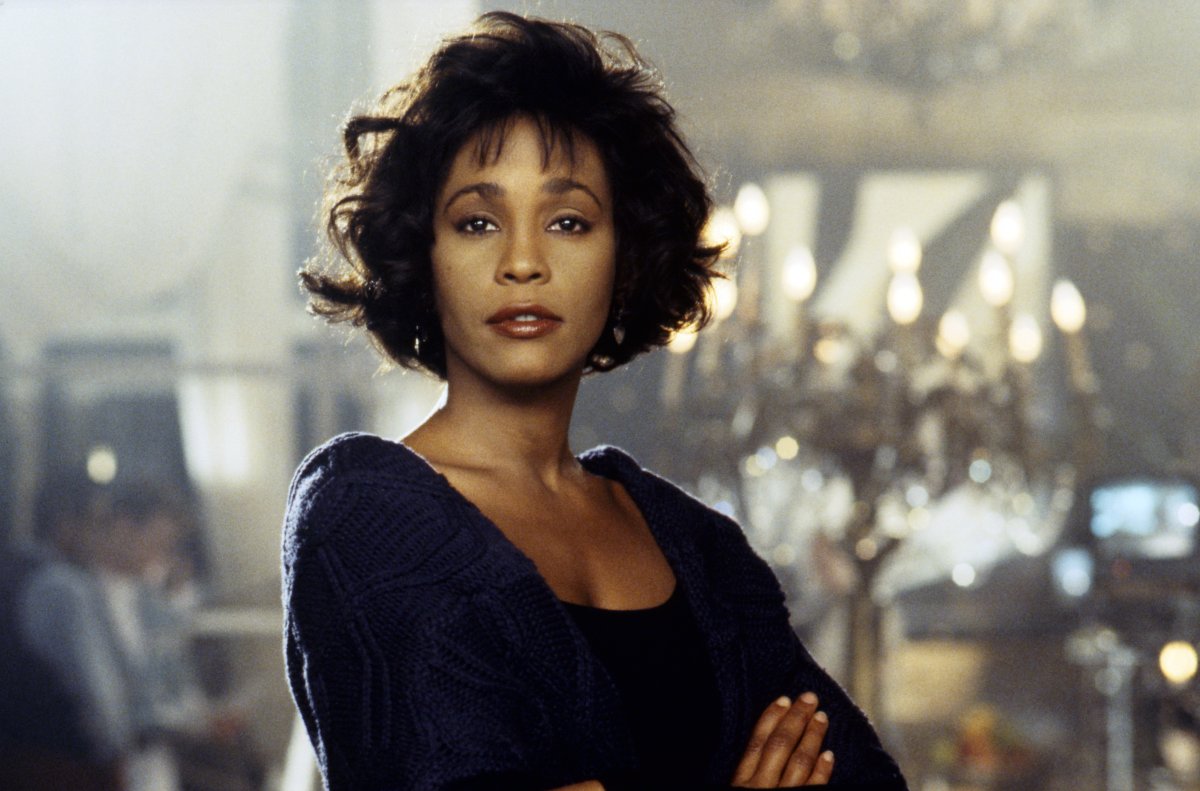
February 11 marks a significant date in music history — the day the world lost Whitney Houston, one of the most celebrated and influential vocalists of all time.
The iconic singer died on Saturday, February 11, 2012, at the age of 48 in Beverly Hills, California, on the eve of the Grammy Awards.
Houston was found unresponsive in a bathtub at the Beverly Hilton Hotel, where she had been staying ahead of a pre-Grammys music industry event. Authorities later ruled her death an accidental drowning, with heart disease and substance use listed as contributing factors.
A Voice That Defined a Generation
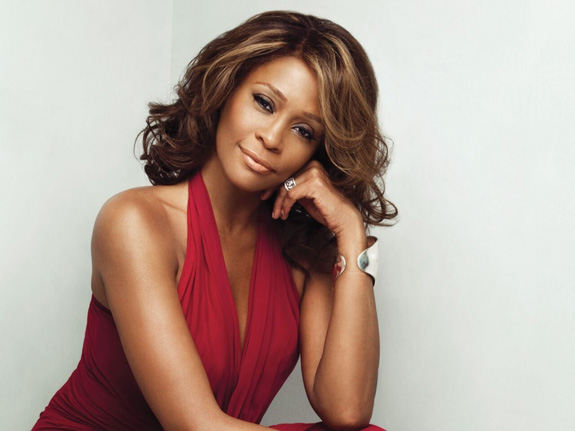
Born August 9, 1963, in Newark, New Jersey, Whitney Elizabeth Houston was immersed in music from an early age. She was the daughter of gospel singer Cissy Houston and cousin to legendary performers Dionne Warwick and Dee Dee Warwick.
Houston began singing in church as a child before transitioning into modeling and eventually recording music. Her self-titled debut album, released in 1985, became one of the best-selling debut albums by a female artist in history, producing hits such as “Saving All My Love for You,” “How Will I Know,” and “Greatest Love of All.”
Her follow-up album, “Whitney” (1987), made history as the first album by a woman to debut at No. 1 on the Billboard 200 chart.
Global Stardom and Historic Achievements
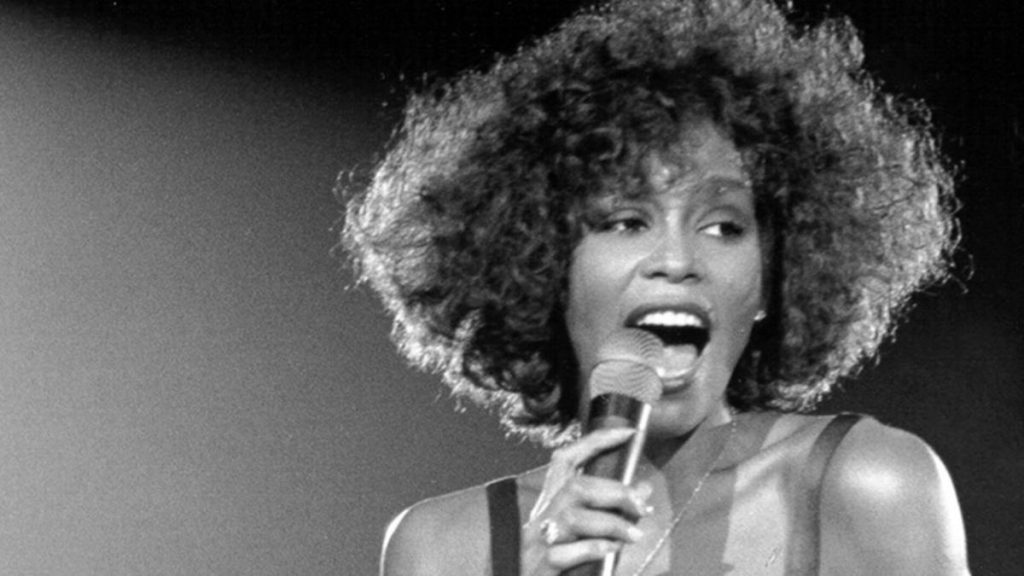
Houston’s success extended far beyond the recording studio. In 1992, she starred in the blockbuster film “The Bodyguard,” opposite Kevin Costner. The film’s soundtrack became the best-selling movie soundtrack of all time, propelled by her powerful rendition of “I Will Always Love You,” originally written by Dolly Parton.
Over her career, Houston achieved remarkable milestones:
- More than 200 million records sold worldwide
- Six Grammy Awards
- Over 20 American Music Awards
- Multiple Guinness World Records, including being named the most awarded female artist of all time at one point
- Seven consecutive No. 1 Billboard Hot 100 hits — a record she still holds
She also broke racial barriers in mainstream pop music, becoming one of the first Black women to achieve consistent crossover success on MTV and global charts.
Influence Beyond Music
Houston’s impact extended into philanthropy and cultural representation. Through the Whitney Houston Foundation for Children, she supported programs addressing homelessness, children’s health, and education.
Her vocal style — combining gospel power with pop accessibility — influenced generations of singers, from Mariah Carey and Beyoncé to modern R&B and pop artists worldwide.
A Legacy That Endures
Fourteen years after her death, Houston’s music continues to resonate across generations. Tributes regularly emerge on anniversaries of her passing, reflecting her lasting place as one of the greatest voices in music history.
Often referred to as “The Voice,” Whitney Houston’s legacy remains defined not only by record-breaking achievements, but by a timeless artistry that reshaped the sound and reach of modern popular music.