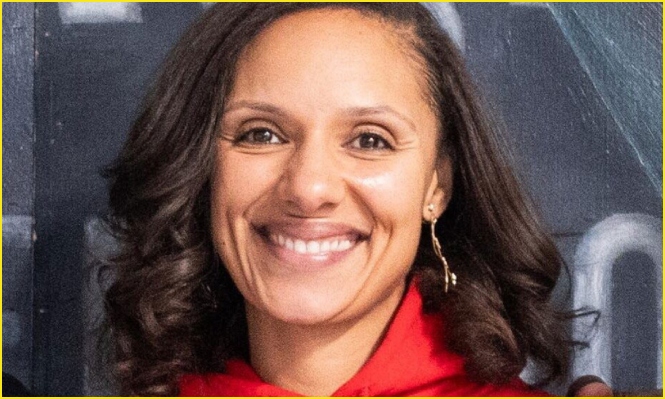
Detroit voters have made history. On Tuesday night, Mary Sheffield was elected as the city’s first woman—and first Black woman—mayor, breaking a 324-year precedent and reshaping the political landscape of one of America’s most storied cities.
Sheffield, who previously made headlines in 2022 as the youngest president of the Detroit City Council, ran on a platform that prioritized reliable public transportation, affordable housing, and the revitalization of long-neglected neighborhoods. Her victory over Pastor Solomon Kinloch Jr. signals both a generational and gender shift in Detroit politics.
“I ran for every Detroiter who’s been told their dreams are too big or their voices too small,” Sheffield said in her victory speech Tuesday night. “This city raised me, and I intend to raise it higher.”
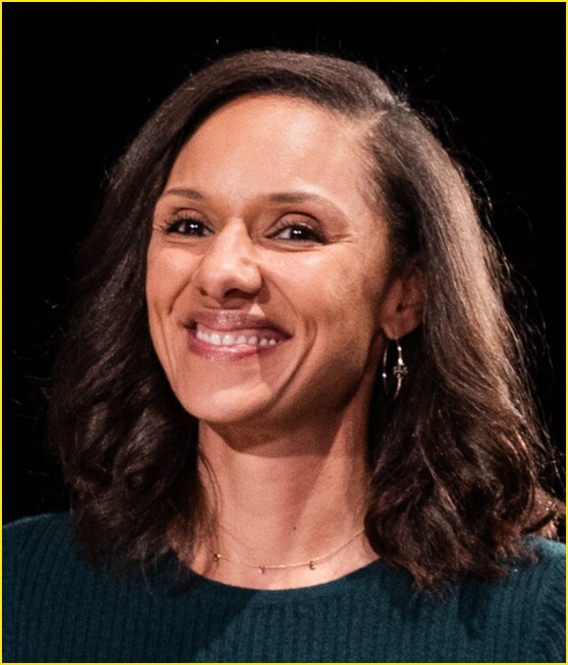
Her win not only reshapes Detroit’s leadership but also reflects a growing national wave, one that’s seen Black and Brown women breaking barriers in city halls across the country.
A Year of Historic Wins
Detroit’s moment of celebration follows similar breakthroughs in New Orleans and Oakland, where women of color have captured top leadership roles once seen as unattainable.
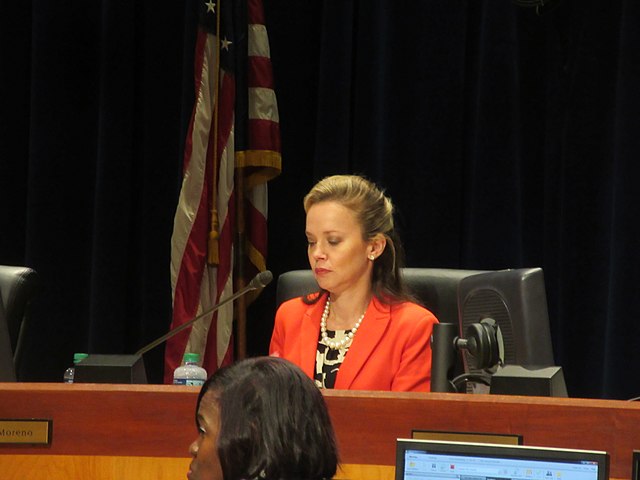
In New Orleans, Helena Moreno—a former journalist and Mexican American community advocate—was elected mayor with 55% of the vote in October. Her campaign, centered on public safety and economic revitalization, resonated with a diverse voter base. Moreno now stands as the first Latina woman to lead the Crescent City.
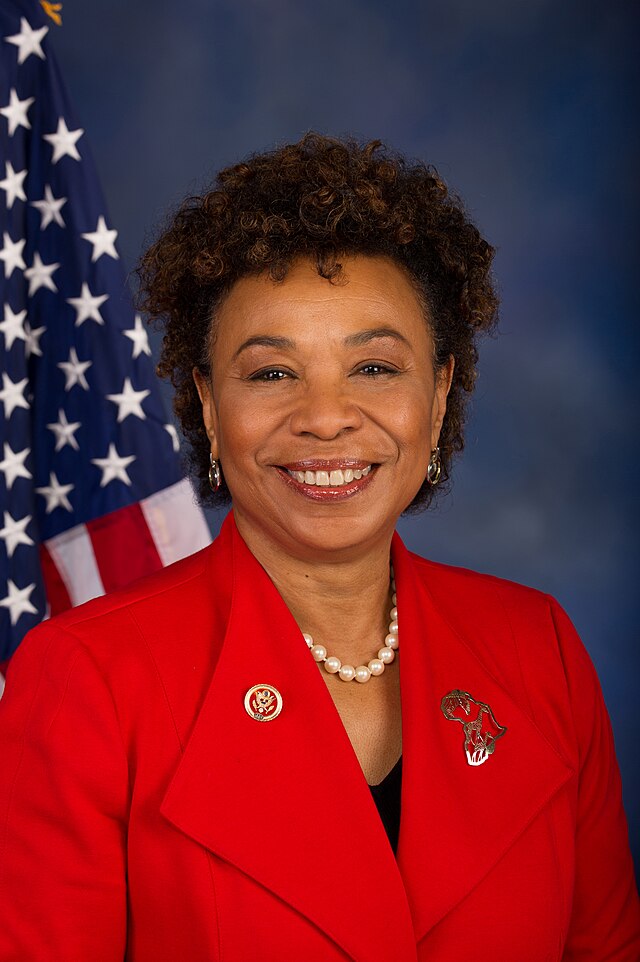
Meanwhile, on the West Coast, Barbara Lee, the veteran congresswoman known for her anti-war stance and progressive politics, won a special election in April to become Oakland’s first Black woman mayor. Lee’s victory underscored a national appetite for leaders with both moral conviction and lived experience.
From the Rust Belt to the Gulf Coast to California’s Bay Area, this year’s election results carry a unifying message: women of color are not just participating in politics—they are defining its future.
The Bigger Picture
Political analysts say this moment represents more than symbolic progress—it’s a tangible shift in who shapes policy in America’s cities.
“These victories represent a generational turnover in leadership,” said Dr. Angela Rowe, a political science professor at Howard University. “What we’re witnessing is not just diversity in representation, but diversity in perspective and governance. These women are approaching leadership with lived empathy and a deep understanding of inequality.”
Indeed, Sheffield’s campaign in Detroit leaned heavily on community-based policy—addressing everyday struggles like rising rent, long bus commutes, and the need for more inclusive economic opportunities. Her success could signal a renewed focus on grassroots politics in urban America.
More Than a Moment
While these wins are celebratory, they also come with high expectations. As Sheffield, Moreno, and Lee prepare to lead cities burdened by inequality and rebuilding efforts, their leadership will be measured not just by historic symbolism but by tangible results.
Still, the significance is undeniable. In a political climate often marked by division and cynicism, these victories reflect a public yearning for authenticity, compassion, and fresh ideas.
“This is not just about breaking glass ceilings,” Sheffield said during her campaign. “It’s about building new foundations—foundations strong enough for everyone to stand on.”
With Sheffield’s rise in Detroit, Moreno’s victory in New Orleans, and Lee’s triumph in Oakland, 2025 will be remembered as the year women of color didn’t just make history—they made leadership their own.