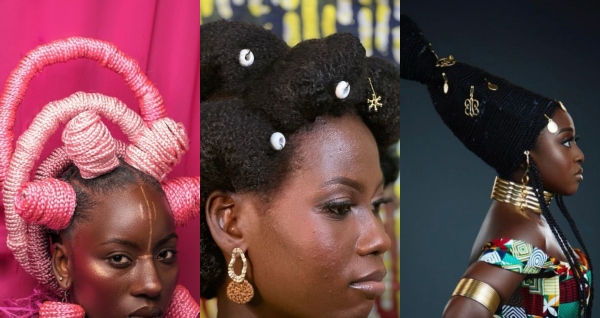
For Christele Codo, African hair is not just an aesthetic conversation but a lived experience that shaped her identity and creative direction.
What began as a personal relationship with hair evolved into a deeper exploration of culture, history, and representation. Across the African diaspora, a quiet revolution is unfolding—and it begins at the roots.
Codo, a visionary documentarian of African identity, is challenging the beauty industry’s status quo with a provocative question: Can banana fiber replace synthetic hair?
“FAB: Can Banana Fiber Replace Synthetic Hair? Christele Codo Thinks So,” reads a headline from Inside FAB, capturing the essence of a movement that transcends mere aesthetics to embrace sustainability, cultural preservation, and authentic self-expression.
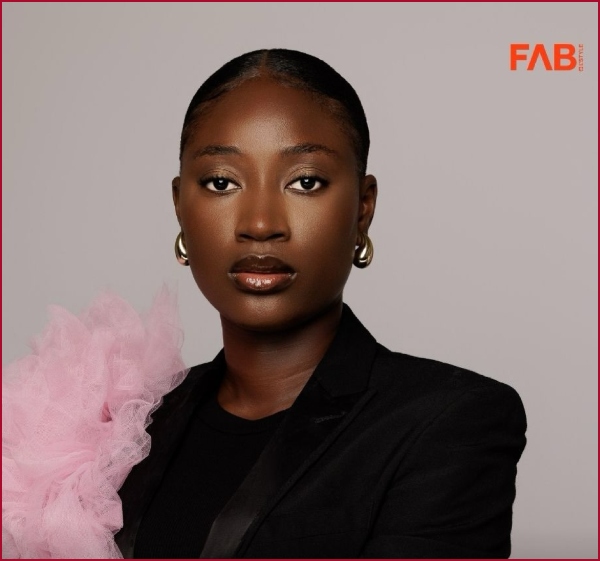
Hair as the First Frontier of Identity
For Codo, the journey began not as a professional pursuit but as a deeply personal exploration.
“For Christele, hair was the first place she understood identity. Growing up, African hair shaped how she saw herself and the world around her,” reflects one of the image captions accompanying her work.
This childhood awakening evolved into something larger. “What started as personal curiosity became cultural exploration. She began asking deeper questions: What does our hair say about who we are?”
These questions led Codo down a path of discovery that would ultimately challenge the foundations of the multi-billion-dollar hair industry—an industry that has long dictated beauty standards to African women while simultaneously failing to provide sustainable, culturally conscious alternatives.
Redefining Beauty on Authentic Terms
At the heart of Codo’s philosophy lies a fundamental reimagining of beauty itself. “Her journey is about redefining beauty on her own terms, centering authenticity instead of external standards,” her materials explain.
This rejection of external standards carries particular weight in the context of African hair, which has historically been policed, marginalized, and subjected to Western beauty ideals. From workplace discrimination against natural hairstyles to the psychological toll of internalized standards, the politics of African hair run deep.
Codo’s work positions hair not merely as a stylistic choice but as a declaration of selfhood. By exploring alternatives like banana fiber, she challenges the assumption that synthetic materials—often manufactured outside the continent and bearing no connection to African agricultural traditions—represent the only option for protective styling.
The Political and Spiritual Dimensions of Hair
“When you care for your hair, you care for yourself,” reads one of Codo’s captions. “Hair is personal, political and deeply spiritual.”
This multidimensional understanding informs her exploration of banana fiber as a potential replacement for synthetic hair extensions. The innovation addresses multiple concerns simultaneously:
- Environmental sustainability: Synthetic hair contributes to plastic pollution and is typically non-biodegradable. Banana fiber, derived from agricultural waste, offers a renewable alternative.
- Economic empowerment: Developing banana fiber processing capabilities within Africa could create new industries and reduce dependence on imported synthetic products.
- Cultural continuity: By utilizing indigenous materials and traditional processing techniques, banana fiber extensions could reconnect contemporary styling practices with pre-colonial African textile and fiber traditions.
- Health considerations: Synthetic hair has been associated with scalp irritation and traction alopecia. Natural fibers may offer gentler alternatives for protective styling.
Documenting African Identity with Intention
Codo’s broader body of work positions her as an archivist of contemporary African experience. “Christele represents a generation documenting African identity with intention where personal story becomes cultural preservation,” her materials explain.
This documentation extends beyond mere observation into active participation in shaping cultural narratives. By investigating banana fiber’s potential, Codo intervenes in conversations about sustainability, beauty standards, and economic self-determination. Through her work, Christele transforms lived experience into storytelling using African hair as a bridge between history, culture, and self-expression.
The Science and Promise of Banana Fiber
Banana fiber, extracted from the pseudostems of banana plants after fruit harvesting, has long been used in textiles, paper production, and handicrafts across Africa and Asia. Its potential applications in hair styling represent a natural extension of existing uses.
The fiber is naturally strong, biodegradable, and can be processed to achieve varying textures suitable for different styling techniques. Unlike petroleum-based synthetic hair, banana fiber aligns with growing consumer demand for sustainable, natural products.
For Codo, the innovation represents not merely a product but a philosophical position—one that centers African solutions for African communities rather than importing manufactured standards from elsewhere.
A Generation Redefining Cultural Narrative
Codo joins a growing movement of African creatives, entrepreneurs, and cultural workers who are reclaiming narrative control over African identity. From fashion designers incorporating traditional textiles into contemporary silhouettes to filmmakers telling African stories from African perspectives, this generation refuses to accept external definitions of worth or beauty.
The exploration of banana fiber as hair extension material exemplifies this broader cultural moment—one where innovation emerges not from rejecting tradition but from engaging deeply with it.
As Codo’s work continues to evolve, she invites audiences to reconsider assumptions about beauty, sustainability, and cultural authenticity. The question of whether banana fiber can replace synthetic hair remains open, but the conversation it sparks promises to transform how African communities think about the materials they use, the standards they accept, and the stories they tell.
In Codo’s hands, hair becomes more than hair. It becomes history, politics, spirituality, and ultimately, liberation—one strand at a time.