
DeAnna Hoskins is urging the nation to rethink how it approaches life after incarceration, challenging long-standing narratives during Second Chance Month.
Rather than seeing reentry as a matter of giving individuals another opportunity, the president and CEO of JustLeadershipUSA says the conversation should center on fairness.
“This isn’t about giving people a second chance. It’s about whether the system offers a fair chance at all,” Hoskins said.
Her argument builds on years of advocacy informed by personal experience navigating the criminal justice system. Hoskins, who has been sober for 27 years after struggling with addiction, says her own incarceration highlighted systemic gaps—particularly the failure to address underlying issues like substance abuse.
“I needed drug treatment, not incarceration,” she said, reflecting on how the system responded to her case.
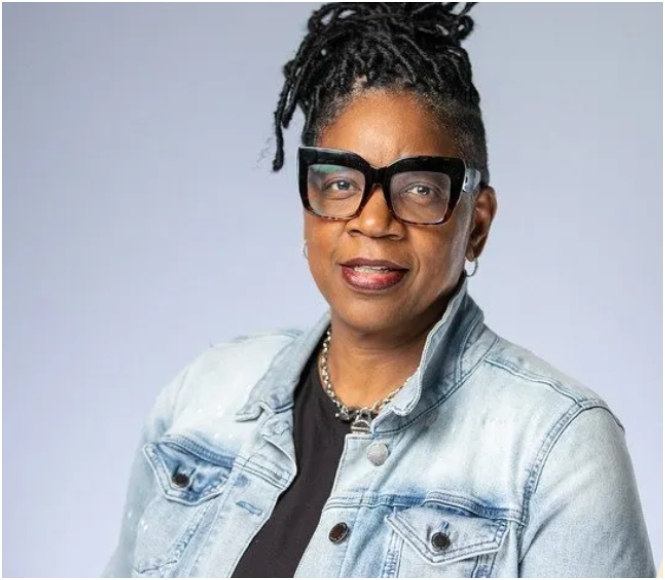
That lived experience now shapes her work at the policy level, where she pushes for reforms that address barriers facing people returning home from prison. According to Hoskins, those barriers often extend far beyond the completion of a sentence.
“If I’m sentenced and that’s my punishment, when is the punishment over?” she asked.
A central focus of her advocacy is dismantling what she describes as widespread misinformation. Through JLUSA’s “MythBusters” initiative, Hoskins and her team highlight how many restrictions on employment, housing, and even voting are not federally mandated but stem from inconsistent policies or misconceptions.
She points to hiring practices as a key area for reform, urging employers to adopt more transparent policies and delay background checks until later in the recruitment process.
“Initially, people are being screened based on their knowledge, skills, and abilities,” she said.
Hoskins argues that such changes would not only reduce bias but also expand access to qualified talent—particularly for individuals who have remained crime-free for years after release.
Beyond employment, she is also reframing how public safety is defined.
“Public safety is affordable housing. Public safety is access to healthcare. Public safety is access to mental health,” she said.
Her perspective challenges traditional views that center law enforcement alone, instead emphasizing stability and access to resources as critical components of safer communities.
Hoskins also points to the economic structure surrounding incarceration, describing it as a profit-driven system with wide-reaching implications.
“Incarceration is a billion-dollar business,” she said, arguing that meaningful reform requires reducing reliance on systems tied to financial incentives.
Ultimately, Hoskins is calling for a shift not just in policy, but in mindset—moving away from narratives that frame formerly incarcerated individuals as recipients of charity, and toward systems that ensure equitable access.
“I don’t want my story to inspire you. I want my story to inform how you do policy,” she said.
As Second Chance Month continues, her message rekindles an important national dialogue: the issue is not whether people deserve another opportunity, but whether the system is designed to provide one fairly.