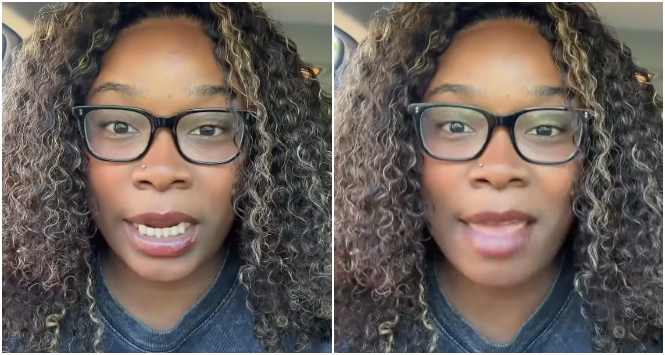
A viral social media video by a woman who claims to be a former CPS worker, which paints a grim picture of the foster care realities in the United States, is gaining traction online.
Content creator, known as @afineapppletoo, shared a blunt and emotional message drawn from their experience working in Child Protective Services (CPS): “Stop having kids.”
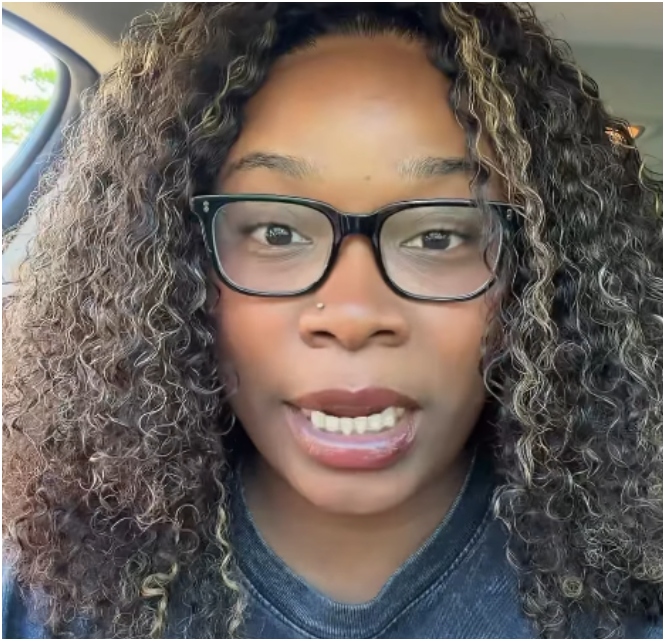
In the widely circulated Instagram post, the creator described firsthand exposure to what they characterized as a steady influx of neglected and vulnerable children entering the system “by the droves every single day.”
The video, which has gained traction across platforms, talks about parenting not as a casual life milestone but as what the creator calls a “lifetime commitment” that many are unprepared to handle.
Recounting specific cases, the creator highlighted deeply troubling situations encountered while working in CPS. Among them was a newborn removed from parental custody immediately after birth due to alleged drug use, as well as a teenager who cycled through 15 foster homes after reportedly being rejected by their mother.
“The saddest thing is to watch those kids… and know that there’s nothing you can do,” the creator said, adding that the emotional toll on both children and caseworkers.
They also pointed out that once a child enters state care, reunification with parents can take months or longer, contradicting common misconceptions about the system.
The video further criticizes what the creator described as widespread parental neglect and lack of preparedness, often linked to substance abuse or unstable living conditions. While acknowledging that many parents face personal struggles, the creator argued that those challenges do not excuse the long-term harm inflicted on children.
Their most controversial stance centers on the idea that stricter requirements should be in place before individuals can become parents. Suggestions included mandatory parenting classes and broader “stipulations” to ensure readiness—comments that have sparked polarized reactions online.
Supporters of the message say the video sheds light on the often-overlooked realities of the foster care system and the consequences of irresponsible parenting. Critics, however, argue that the remarks oversimplify complex social issues such as poverty, mental health, and access to resources.
The conversation arrives amid ongoing global discussions about child welfare systems, parental accountability, and the structural challenges faced by agencies tasked with protecting vulnerable youth.
As the video continues to circulate, it underscores a difficult but urgent question: how societies can better balance reproductive freedom with the responsibility of raising the next generation.