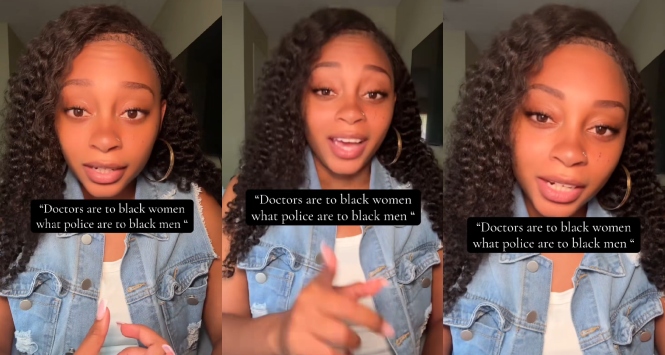
A social media video by entrepreneur, content creator, and growth coach @modestly.fly_ has argued that healthy Black relationships often receive far less attention than conflict, drama, and public disputes involving Black men and women.
In a video captioned, “Notice how they profit more from Black pain than Black love,” the creator challenged viewers to examine the types of content that dominate social media feeds and attract the most engagement.
“Maybe the most rebellious thing a Black man and a Black woman can do in this generation is stop performing hatred for an audience who profits from our division,” she said.
Her remarks have resonated with followers who say social media platforms often amplify controversy while overlooking healthy relationships, family stability, and community building.
Questioning What Goes Viral
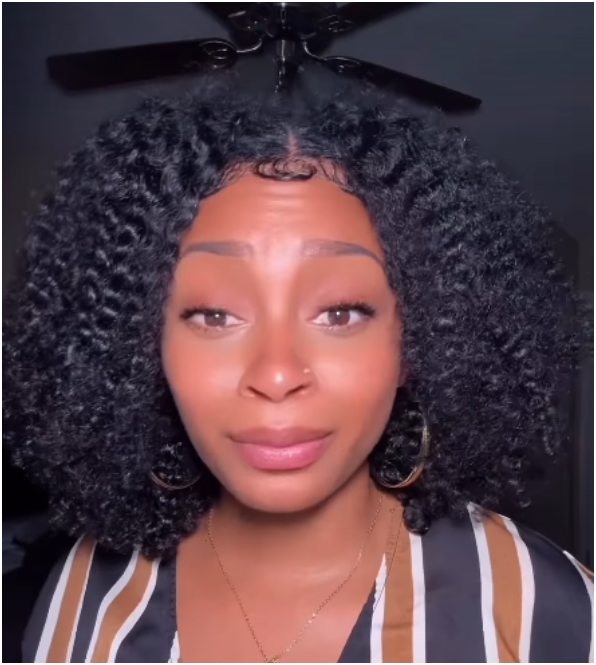
The entrepreneur opened her commentary by contrasting the public reaction to positive Black relationships with the attention generated by public conflict.
“You ever notice that when a Black couple is healthy, loyal, building together, minding their business that nobody cares?” she asked.
According to her, online audiences frequently reward content centered on relationship breakdowns, infidelity allegations, arguments, and public humiliation.
“But let there be cheating, fighting, baby mama drama, humiliation, and now all of a sudden the internet can’t look away,” she said.
She argued that this pattern reflects more than simple entertainment preferences, suggesting it has broader cultural implications.
‘Black Unity Don’t Go Viral’
A central theme of the video was the claim that positive representations of Black families and relationships often struggle to gain the same visibility as negative narratives.
“Black unity don’t go viral like Black destruction does,” she said.
She pointed to examples such as videos featuring couples praying together, building businesses, or maintaining healthy relationships, arguing that such content rarely receives the same level of engagement as controversy-driven posts.
“People scroll right past that,” she said. “But let there be chaos. Now it’s two million views.”
The creator suggested that digital platforms, blogs, podcasts, and commentary channels frequently benefit from amplifying conflict because controversy drives engagement and advertising revenue.
Challenging Stereotypes
The video also addressed longstanding stereotypes affecting perceptions of Black men and Black women.
According to the creator, negative portrayals often reinforce narratives that depict Black men as irresponsible or emotionally unavailable and Black women as angry or difficult to love.
“They want the image of the Black man to always look dangerous, irresponsible, emotionally unavailable,” she said. “And they want the image of the Black woman to always look angry, bitter, masculine, impossible to love.”
Her comments reflect ongoing conversations within Black communities about representation in media, entertainment, and digital culture.
The Connection to Community Strength
Beyond relationships, the entrepreneur linked healthy partnerships to broader social and economic outcomes.
She argued that stronger connections between Black men and women can contribute to generational wealth, stable homes, and stronger communities.
“If Black men and Black women ever fully reconnect emotionally, spiritually, financially, and mentally, everything would change,” she said.
“That creates generational wealth. That creates stable homes. That creates protected children.”
The creator suggested that stronger family and community structures could make communities less vulnerable to manipulation and division.
A Growing Discussion Online
The video has become part of a larger conversation taking place across social media platforms about how algorithms, audience behavior, and digital media incentives shape public perceptions of Black life.
Many creators and commentators have increasingly questioned whether positive stories receive sufficient attention compared with content centered on conflict and controversy.
For @modestly.fly_, the issue ultimately comes down to what society chooses to reward.
“Division gets clicks. Division gets engagement,” she said. “And sadly some people have become so addicted to dysfunction that they don’t even know how to support healthy love anymore.”
Her message has sparked debate among viewers about the role audiences, media platforms, and content creators play in shaping the stories that dominate public conversations, and whether greater attention should be given to examples of healthy relationships, stability, and community success.