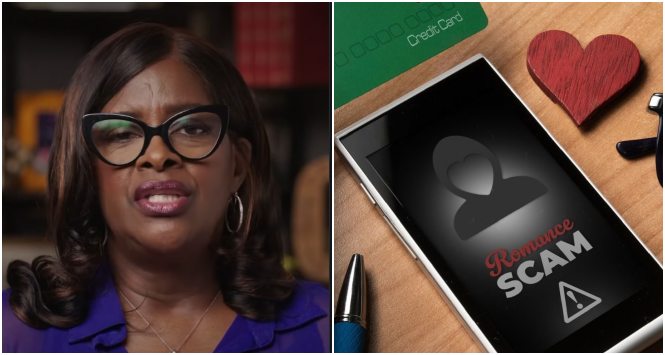
Jackie Creshaw is speaking publicly about losing tens of thousands of dollars in a sophisticated online romance and cryptocurrency scam, hoping her story will help others avoid becoming victims.
A woman who spent decades building her retirement nest egg is sharing her painful experience after falling victim to an elaborate online romance scam that drained a significant portion of her savings and left her grappling with betrayal and financial loss.
Jackie Creshaw said she was 59 years old when she decided to try online dating for the first time. Having worked for decades and accumulated the financial security she had spent a lifetime building, she said there was still one thing missing.
“At this particular time in my life, I was 59 years old and I had all the things that you work 40 years for, saving for your retirement,” Creshaw recalled. “There was just that one thing missing… someone to share it with.”
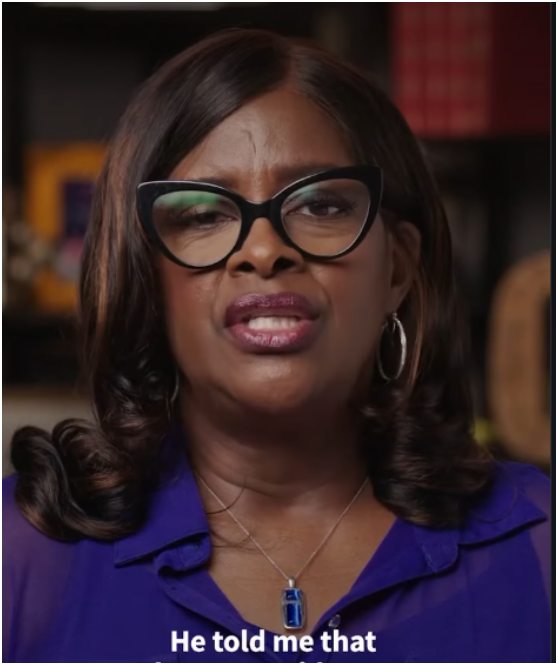
According to Creshaw, she connected online with a man who quickly appeared to be everything she had been looking for. He told her he was a widower raising two young sons and claimed he had become successful through cryptocurrency investing.
What followed was a carefully orchestrated campaign to build trust.
“We talked at least four or five times a day,” she said.
The relationship appeared genuine. Creshaw described receiving meals delivered to her workplace, gifts, sentimental trinkets, and even a necklace featuring photos of both of them.
“He went to great lengths to gain my trust and get my guard down,” she said.
Over time, Creshaw began imagining a future with the man she believed she had met.
“I started to think of this as someone who I could spend my life with,” she said.
That trust eventually led to conversations about investing.
Approximately two months into the relationship, Creshaw said she withdrew $40,000 from her 401(k) retirement account after being encouraged to invest in cryptocurrency opportunities the man presented to her.
She was shown statements from what appeared to be a legitimate investment platform called “Coin Cluster,” which she was told was a secure place to hold Bitcoin and track profits.
“Unbeknownst to me, Coin Cluster was all made up and fake, and my money was gone,” she said.
The devastating truth emerged when she received an unexpected phone call from a detective.
According to Creshaw, the detective informed her that an anonymous caller had reported she was being scammed.
“I just had like a lump in my throat, a gut punch,” she said. “The realization that this was all gone.”
The emotional impact, she explained, was immediate and profound.
“It was shock,” Creshaw said. “It is emotional.”
Romance scams have become one of the fastest-growing forms of financial fraud worldwide, often targeting individuals seeking companionship through online dating platforms.
Criminals frequently spend weeks or months cultivating emotional relationships before introducing investment opportunities, particularly involving cryptocurrency, which can be difficult to trace and recover once funds are transferred.
Consumer protection experts have repeatedly warned that scammers often create highly convincing personas, maintain constant communication, and use emotional manipulation to establish trust before requesting money or promoting fraudulent investment schemes.
Despite the financial and emotional toll, Creshaw says she refuses to allow the experience to define her.
“You’re going to live another day and you’re going to move on and you’re going to go forward,” she said.
Now, by openly sharing her story, she hopes others will recognize the warning signs before it’s too late.
Perhaps the most important message she offers to fellow victims is one she continues to tell herself.
“I am a victim,” Creshaw said. “I did nothing wrong.”
Her willingness to speak publicly highlights a growing effort among fraud survivors to reduce the stigma surrounding romance scams, which often leave victims not only with financial losses but also feelings of embarrassment and isolation.
As online fraud schemes become increasingly sophisticated, advocates say stories like Creshaw’s serve as a reminder that scammers prey on trust, hope, and human connection, and that anyone can become a target.