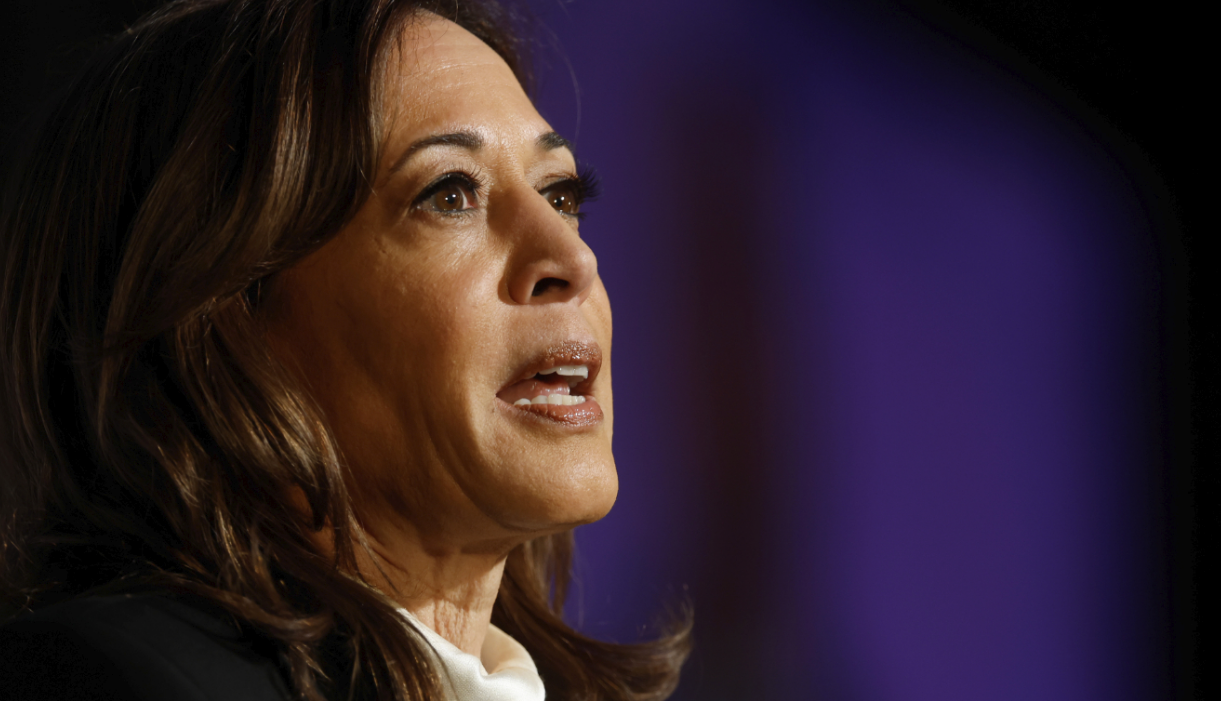
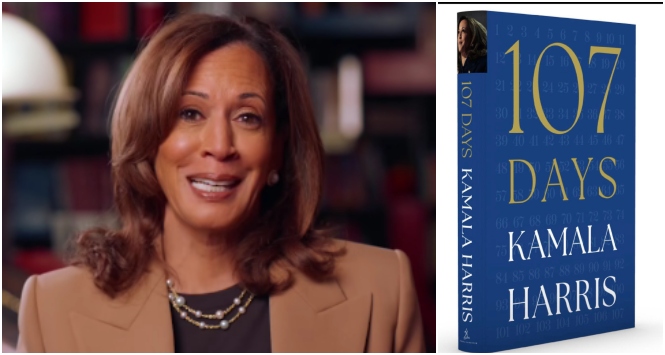
The release of excerpts from former Vice President Kamala Harris’ memoir, 107 Days, has set off a firestorm inside the Democratic Party.
While many women see Harris’ story as a powerful reflection of their lived experiences, party insiders have dismissed it as petty and opportunistic—revealing a deep rift over how the first woman, first Black, and first South Asian Vice President should be remembered.
During a segment on CNN’s Arena with Kasie Hunt, political commentators David Axelrod and Van Jones derided Harris’ account as “cry baby stuff.” Jones claimed she had “no political future,” while Axelrod framed her memoir as little more than a marketing ploy. Their comments ignited outrage among grassroots Democrats, particularly women and women of color, who argue that Harris’ story deserves more than ridicule.
At the core of Harris’ memoir are passages describing the suspicion she faced from President Joe Biden and First Lady Jill Biden, the isolation from her own party’s leadership, and systematic undermining from White House staff. To some, her account is gossip; to others, it is testimony. It is the burden of the First—those who break barriers while carrying the weight of centuries of exclusion on their shoulders.
A Broader Struggle
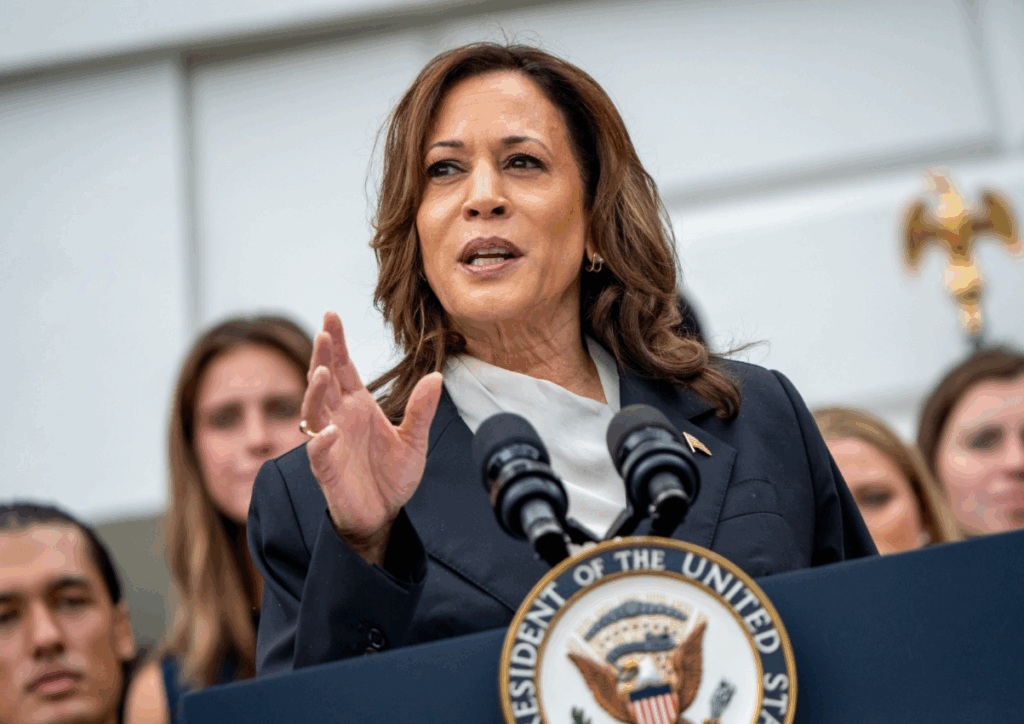
Harris’ struggles are not hers alone. They reflect what women and minority “firsts” face across society. Despite advancements, the numbers are stark: in 2023, Black women working full-time earned just 64 cents for every dollar earned by White men. Nearly 300,000 Black women have left the workforce this year, a mass departure that economists warn is costing the economy tens of billions of dollars.
In leadership, women face harsher scrutiny and shorter tenures—just over five years compared to nearly eight for men. Too often, they are appointed during crises, only to be judged more harshly when problems persist. It’s the “glass cliff,” a dynamic Harris knows well after stepping into the 2024 campaign spotlight following President Biden’s disastrous debate performance.
The trend extends beyond politics. From former Harvard president Claudine Gay to Federal Reserve Governor Lisa Cook, Black women leaders are repeatedly brought in during turbulence, under-resourced, then swiftly removed—without the same grace or context afforded to their peers.
The First Person’s Burden
To be the first is to live under a microscope. Every move is questioned, every misstep magnified. For Harris, her memoir is not just a defense—it’s an act of reclamation. To critics, monetizing her story is opportunistic; to supporters, it’s both survival and strategy, a way to validate millions of women who see themselves in her fight.
If felony convictions don’t disqualify male politicians from seeking the presidency, why should Harris’ willingness to tell her truth disqualify her from respect?
Kamala Harris is not a footnote in Democratic politics. She is a precedent. Her story—whether lauded or mocked—forces a reckoning with the realities women, especially women of color, face in politics, business, academia, and beyond. To dismiss her as a “cry baby” is to dismiss an entire electorate that continues to deliver victories for Democrats.
Respecting Harris’ story means respecting the millions who rise despite being doubted, underpaid, and undermined. Her memoir is more than memory—it is a mirror, a blueprint, and proof of what is possible for those who come next.