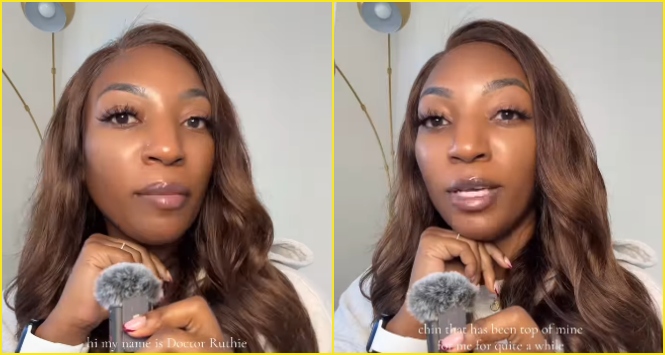
When Dr. Ruth Olumba, known to her hundreds of thousands of followers on Instagram as @i.am.dr.ruthie, speaks, people listen.
The board-certified OB-GYN and cosmetic surgeon doesn’t mince words, and her latest video has reignited a raw, uncomfortable national conversation: the hidden dangers of down-low (DL) culture and its devastating impact on unsuspecting women.
In a post that has since gone viral, Dr. Olumba wrote:
“Non-disclosing men that have relations with men can literally wreck the lives of their wives, girlfriends, and ring-around-the-row partners. This goes beyond just betrayal, psychological and emotional harm — there are physical consequences.”
The accompanying video offers a stark and sobering glimpse into what those consequences can look like.
You find out you’re pregnant — and HIV positive
In one of the most haunting examples she shares, Dr. Olumba describes a patient’s first prenatal appointment that turns into a life-shattering moment.
“You show up for your new OB appointment, get the standard tests, and to your shock, you’re HIV positive,” she recounts. “Then you find out your husband, who’s supposed to be at Bible study or a men’s retreat, is having relations with other men.”
She also recalls older women who, after decades of marriage, discover their HIV status only after a severe illness, or too late to seek life-saving treatment.
“Imagine being in your 60s, developing cervical cancer, and learning you have AIDS because your pastor husband — who already knew his status, never told you,” she says gravely.
For Dr. Olumba, these aren’t isolated tragedies. They are part of a larger crisis she’s witnessed firsthand in her years of medical practice, one that merges medicine, morality, and social silence.
“DL culture” and the reality of HIV among Black women
While social media has erupted with debate around her remarks (check the comments section of her video), the data backs her broader warning.
According to the CDC, Black women account for about 61% of new HIV cases among women in the U.S., despite representing only 14% of the female population.
Dr. Olumba says the reasons are complex, and while “DL culture” contributes, it’s not the whole story.
“Many want to hang their hat on this DL culture theory,” she explains, referencing the controversial ‘bisexual bridge’ hypothesis, the idea that men who secretly sleep with both men and women act as a transmission link between the gay and heterosexual communities. “But that theory doesn’t fully hold water. There are other factors, from IV drug use to broader patterns of unprotected sex and lack of access to care.”
Still, the issue of non-disclosure remains one of the most emotionally charged and medically urgent parts of the discussion.
“DL culture isn’t just about sexuality. It’s about deception,” Dr. Olumba insists. “And that deception has deadly consequences.”
Beyond judgment: a call for honesty and public health reform
Experts say addressing the issue requires empathy, education, and access, not shame. Stigma surrounding homosexuality and HIV testing continues to prevent many from seeking help or disclosing their status.
Dr. Olumba’s video, while blunt, urges viewers to confront those realities head-on.
“We have to talk about this,” she says, explaining that silence only fuels cycles of infection and mistrust.
Her message is clear: medical prevention, emotional transparency, and public accountability must go hand in hand.
A hard truth from the exam room
Dr. Olumba’s words cut through layers of cultural discomfort and denial, especially in Black faith communities, where discussions of sexuality, infidelity, and disease often remain taboo.
But as her examples reveal, what’s left unsaid can be fatal.
Her video does not seek to indict gay men, she clarifies, but a plea for honesty; for partners to understand that truth-telling is not only moral, but lifesaving.
“The man that you trusted with your life and your body betrayed you that way,” she says quietly in the clip. “That’s not love. That’s destruction.”
For many women watching, it’s not just a medical message. It’s a wake-up call.