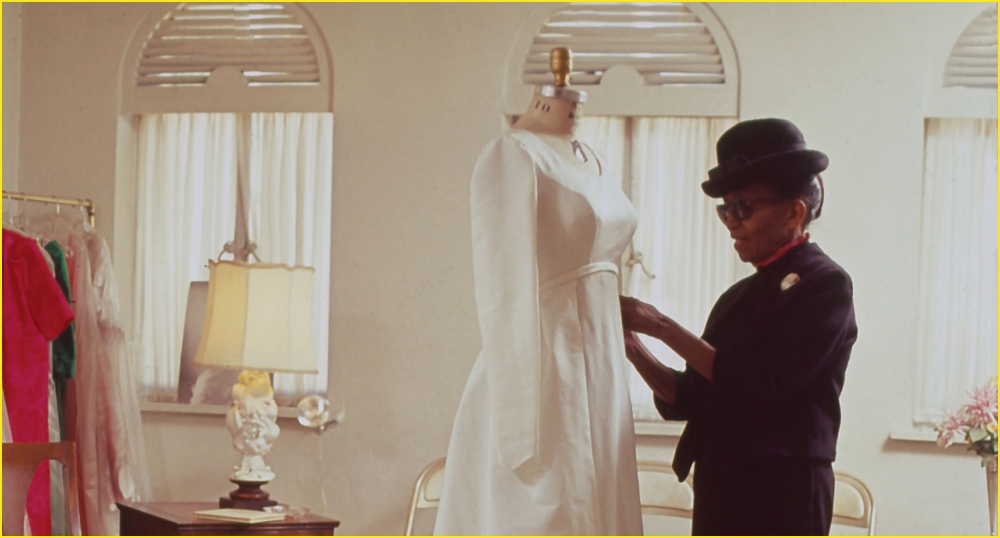
Ann Lowe’s name rarely appears in the glossiest chapters of American fashion history, yet few designers left a deeper imprint on the nation’s cultural fabric.
Born in Alabama around 1898 and trained at her mother’s and grandmother’s sewing tables long before she ever saw a formal classroom, Lowe’s life was a study in brilliance pushed to the margins, and brilliance that refused to stay there.
By age six, Lowe was already crafting the signature floral appliqués that would later dazzle high-society clients from Tampa to Manhattan. At ten, she was drafting dress patterns. And at 16 or 17 — after her mother’s sudden death — she completed a set of gowns originally commissioned for Alabama’s First Lady, a turning point that confirmed her extraordinary skill.
What followed was a career defined by both breathtaking achievement and unforgiving barriers.
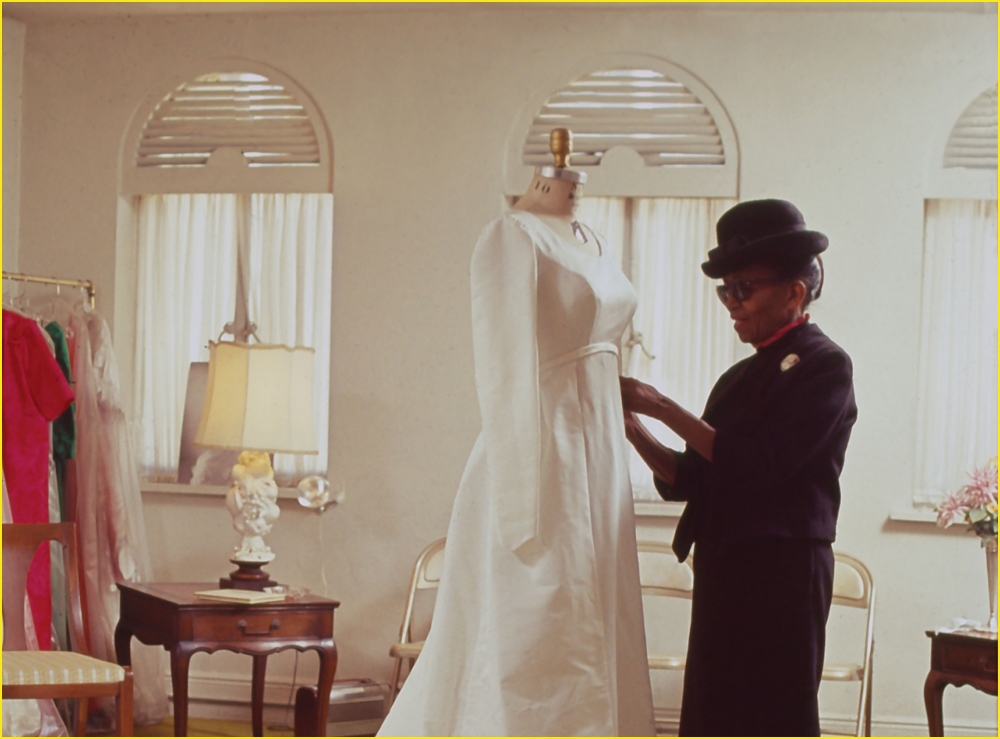
A Tampa socialite, Josephine Edwards Lee, recognized Lowe’s talent early and opened the door to elite clients. Lowe walked through that door — and never looked back. She moved to New York to study design, only to be segregated from classmates who refused to share a room with a Black woman. Her work, ironically, was so superior that instructors used it as the standard for students who wouldn’t sit beside her.
Lowe finished the program in half the required time.
Her rise was steady but far from smooth. She opened and closed shops, trained dozens of seamstresses, and designed some of the most coveted gowns of the 20th century, even as business partners shortchanged her, luxury stores underpaid her, and wealthy clients pressured her into charging far less than a white couturier would command.
Still, she produced masterpieces. Olivia de Havilland’s 1947 Academy Awards gown? Ann Lowe’s hand. High-society debuts from the South to the Northeast? Ann Lowe’s signature. Commission after commission affirmed what fashion insiders already knew: Lowe’s craftsmanship rivaled Dior and Chanel — and sometimes surpassed them.
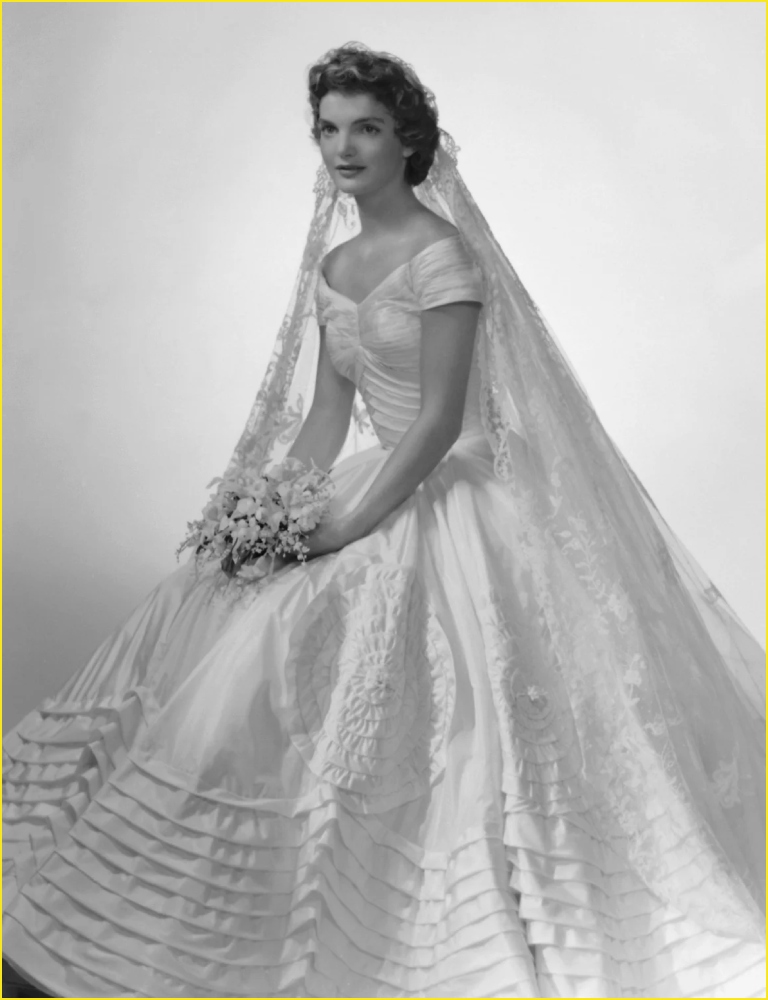
Her most famous work came in 1953: Jacqueline Bouvier’s wedding gown for her marriage to John F. Kennedy. Ten days before the ceremony, a pipe burst and destroyed the gown and ten bridesmaids’ dresses. Lowe quietly remade them all, absorbing a $2,200 loss she never revealed to the Kennedys. The wedding became one of the best-documented American nuptials of the century. Lowe received no public credit.
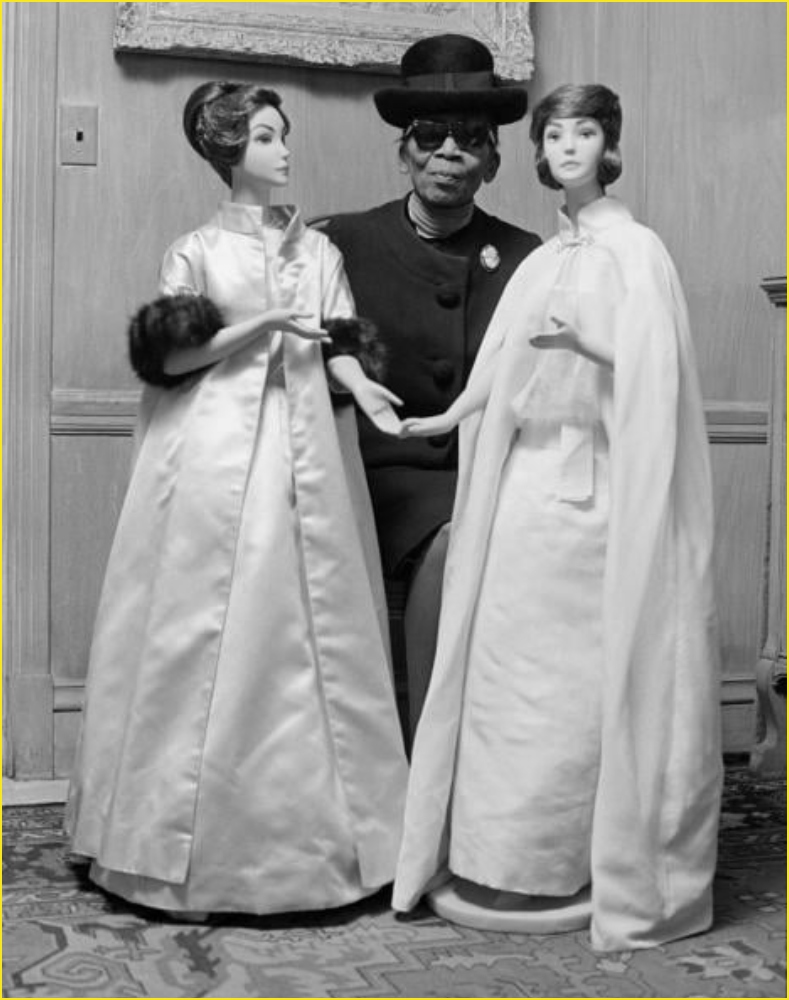
The designer often described as “society’s best kept secret” paid dearly for that secrecy. Mounting tax bills, financial exploitation, a devastating car accident that killed her son, and worsening glaucoma pushed her into instability. She worked for fashion houses, department stores, and private salons, creating gowns that sold for thousands while she sometimes earned only a fraction of their value. Friends and colleagues eventually helped her recover her eyesight in one eye — a miracle surgery at the time.
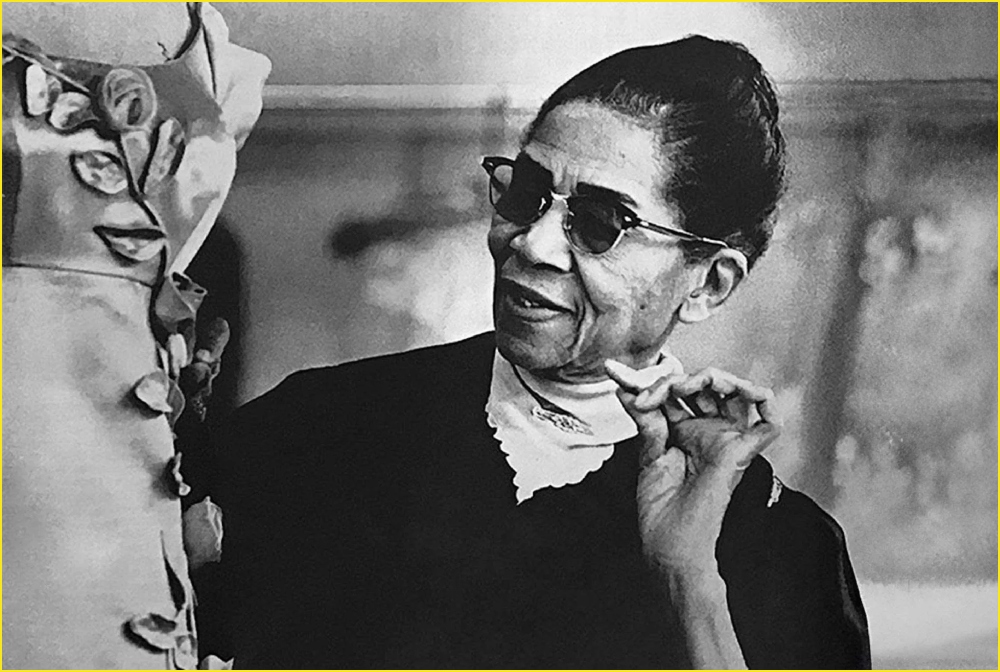
Even as her world narrowed, Ann Lowe kept creating. She ran several Madison Avenue salons — the first Black American designer ever to operate on that iconic retail stretch — and crafted gowns for major balls, coronations, and society events until she retired in 1972. She died in 1981, her legacy still largely unspoken.
Today, with the benefit of hindsight, the story is painful in its clarity: Lowe was not overlooked because her work lacked glamour or innovation. She was overlooked because America was not prepared to acknowledge a Black woman as one of its great couturiers.
Yet that is exactly what she was.
Fashion houses coveted her techniques. Wealthy families insisted on her craftsmanship. Museums now preserve her gowns as works of art. And generations of Black designers — from Stephen Burrows to Tracy Reese to B Michael — walk through the doors she forced open with needle and thread.
Ann Lowe’s life was undeniably shaped by discrimination, hardship, and loss. But it was also shaped by a relentless pursuit of excellence that could not be erased. Her gowns lit up the most exclusive rooms in America. Her talent was unmatched. Her influence is immeasurable.
Lowe once said she wanted only two things: to design for America’s most prominent families and to put her name on the door of her own couture house.
She achieved both — long before the fashion world was willing to properly say her name.
Now, finally, it does.