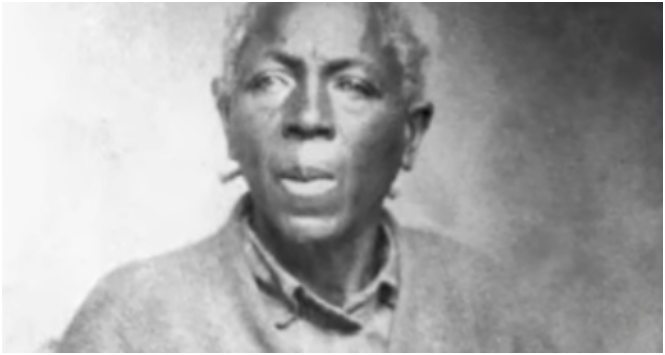
For decades, historians believed the last survivor of the transatlantic slave trade had already been identified. But a forgotten newspaper interview and decades of buried records revealed another story, one centered on a woman who, even in her seventies, refused to stop fighting for justice.
“She walked 15 miles on dirt roads to demand compensation.” That haunting detail is now bringing renewed attention to Matilda McCrear, the Alabama woman historians now recognize as the final known living survivor of the transatlantic slave trade.
Her extraordinary story was recently highlighted in a widely shared YouTube presentation by Dr. Michael H. Forde, who described McCrear as “a living, breathing thread that connected the modern world to one of history’s darkest crimes.”
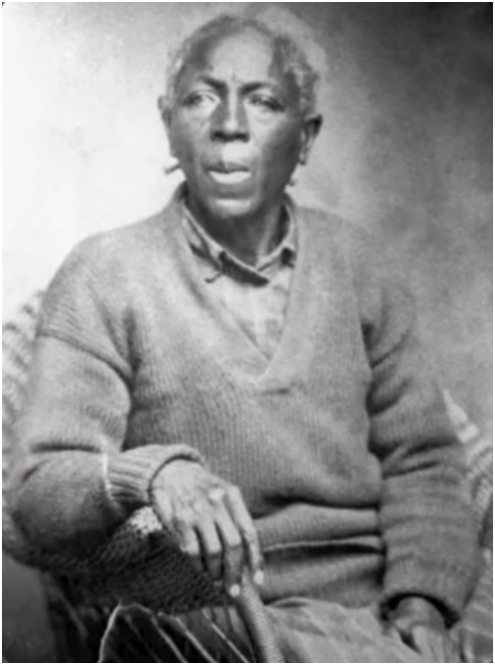
Born around 1857 among the Yoruba people of West Africa, in an area now part of modern-day Benin, Matilda was originally named Àbáké, meaning “born to be loved by all.”
At just 2 years old, her life was shattered.
In 1860, she and her family were captured during a raid by the Kingdom of Dahomey’s army and taken to the coast, where they were forced aboard the Clotilda, the last known slave ship to illegally transport Africans into the United States decades after the international slave trade had been outlawed.
The voyage itself was illegal. The importation of enslaved Africans into the U.S. had been banned since 1808, yet wealthy Alabama businessman Timothy Meaher allegedly financed the operation as part of a bet claiming he could evade federal authorities.
More than 100 Africans were packed into the ship’s hold during the brutal six-week journey to Alabama. Two captives died crossing the Atlantic.
After arriving in Mobile, the ship was burned and sunk to destroy evidence of the crime. The wreck of the Clotilda would remain hidden underwater until its rediscovery in 2019.
Matilda, her mother, and siblings were sold into slavery in Alabama, permanently separating parts of her family.
Even after emancipation in 1865, freedom did not bring security. Like many formerly enslaved Black Americans, Matilda endured poverty, racial terror, and exploitative sharecropping systems throughout the Jim Crow era.
Yet she survived.
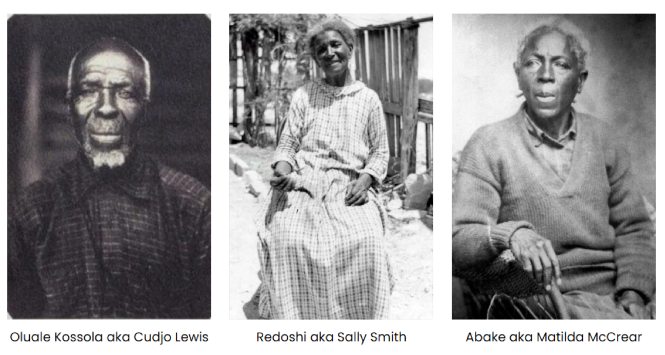
She later settled in Alabama, raised 14 children, and became known for her fierce independence and strong personality. Historians say she intentionally reshaped the surname forced upon her during slavery into “McCrear” as an act of self-definition.
But perhaps the most powerful chapter of her story came decades later.
In 1931, after learning that another Clotilda survivor had received public attention and financial support, McCrear traveled hundreds of miles across Alabama to confirm her own identity as a survivor of the slave ship.
Then, in an extraordinary act of courage, she walked 15 miles to a courthouse in Selma demanding reparations for what had been done to her.
She reportedly used the traditional Yoruba scarification marks on her face as evidence of her African identity and kidnapping.
Her case was dismissed.
Still, the interview documenting her plea survived in local newspaper archives.
Nearly 80 years later, British researcher Hannah Durkin uncovered those records while researching survivors of the Clotilda. Through census documents, genealogical records, and historical archives, Durkin concluded that McCrear, who died in 1940, had actually outlived all other known survivors.
The revelation stunned even her own descendants.
Her grandson, Johnny Creer of Alabama, told reporters he had no idea his grandmother had survived the Clotilda voyage or demanded reparations during her lifetime.
McCrear’s rediscovered story is now being celebrated as one of the most significant hidden narratives in Black history and the history of the Atlantic slave trade.
“She survived slavery, segregation, poverty, and the Great Depression,” Dr. Forde said in the viral presentation. “History tried to forget Matilda McCrear. She left too many marks for that.”