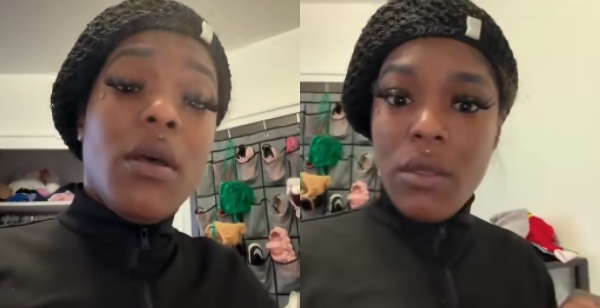
A viral social media video showing a New York mother complaining about paying thousands of dollars in rent for an apartment with no heat has ignited widespread outrage online.
The video also highlights the broader concerns about housing affordability and tenant protections across the United States.
The clip — which has been widely reshared, making the identity of the woman difficult to verify — shows her describing freezing conditions inside the apartment she shares with her children despite paying roughly $3,000 in monthly rent.
“You Can See My Breath”: Woman Says in Video
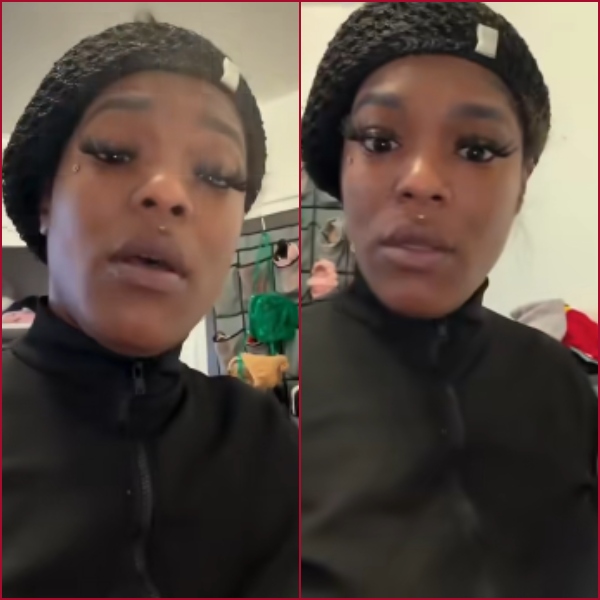
In the video, the woman points to a bedroom she says belongs to her young daughters, explaining that the temperature inside has dropped so low she can see her breath while speaking.
“New York is really full of slumlords,” she says in the footage. “This room belongs to my youngest two daughters… it’s so cold in here that I could see the smoke coming out of my mouth.”
She adds that despite the lack of heat, the landlord continues to collect rent, forcing her to rely on space heaters and improvised methods to keep her children warm.
“At the end of the day as a mom, you gotta do what you gotta do,” she says.
A Symbol of a Larger Housing Crisis
Housing advocates say the video reflects a broader problem affecting tenants in high-cost cities across the United States.
New York City remains one of the most expensive rental markets in the country. Recent housing reports show median rents in many neighborhoods exceeding $3,000 per month — levels that have risen sharply since the pandemic due to housing shortages, inflation, and increased demand.
At the same time, tenant groups warn that high rents do not always guarantee safe or habitable living conditions.
Advocates note that inadequate heating complaints are among the most common issues reported to housing authorities in winter months, particularly in older buildings and lower-income neighborhoods.
Legal Obligations for Heat
Under New York housing law, landlords are required to provide heat during designated “heat season,” typically from October through May. During this period, indoor temperatures must meet minimum standards when outdoor temperatures fall below certain thresholds.
Tenant rights organizations say failure to provide heat can constitute a violation of housing codes, potentially leading to fines or legal action.
However, enforcement can be slow, leaving many tenants to cope with unsafe conditions while waiting for inspections or legal remedies.
Rising Rent, Growing Inequality
Experts say the viral video underscores growing tensions between record-high rents and housing quality in major U.S. cities.
Housing analysts point to several structural factors driving the crisis:
- Limited housing supply
- Rising construction costs
- Population shifts into urban centers
- Wage growth lagging behind rent increases
These trends have contributed to what economists describe as a widening gap between housing affordability and living standards.
Public Reaction and Calls for Reform
The video has sparked thousands of reactions online, with many users expressing frustration over what they see as inadequate tenant protections despite escalating rental prices.
Housing advocates say the case reflects a broader need for stronger enforcement mechanisms and expanded affordable housing policies nationwide.
For many observers, the mother’s story resonates as a stark example of a larger reality: in some of America’s most expensive cities, high rent does not always guarantee basic living conditions.