
A Zambian-American social media influencer known for her fiery political commentary has been sentenced to 18 months in prison for hate speech after admitting to posting insulting remarks about Zambia’s President Hakainde Hichilema.
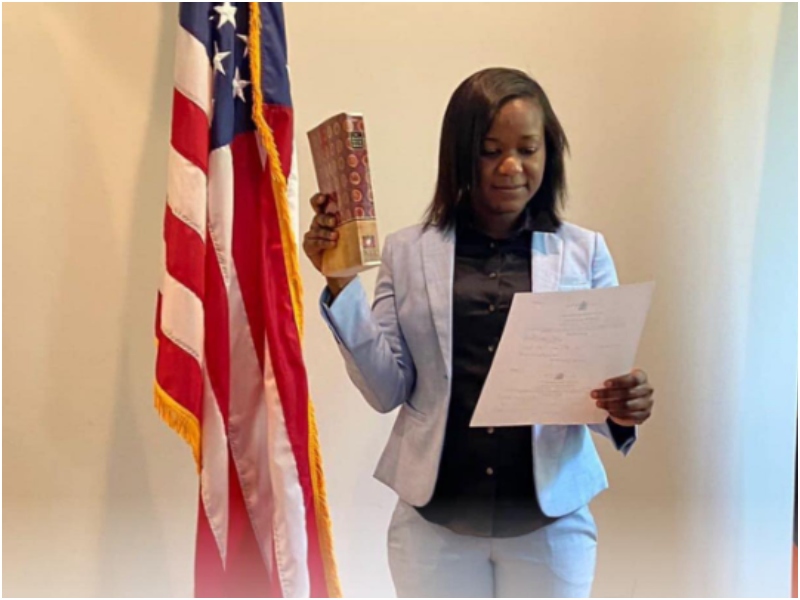
Ethel Chisono Edwards, 42, better known to her followers as “One Boss Lady”, was arrested three months ago at Zambia’s main international airport when she flew home from New York for her grandmother’s funeral.
Edwards, who holds dual citizenship and works as a real estate agent in the U.S., has amassed a substantial online audience with videos sharply criticizing the Zambian president.
This week, she pleaded guilty in a Lusaka magistrate’s court, apologized publicly, and acknowledged that her remarks were motivated by hatred and made without any lawful justification. But the apology did not spare her a custodial sentence.
A Court Looking to Send a Message
Magistrate Webster Milumbe said the sentence was necessary to send a “strong warning” as hate speech becomes increasingly common in Zambia’s online spaces. Edwards was convicted under provisions of the country’s Cyber Security and Cyber Crimes Act, new laws implemented this year that give authorities expanded power to prosecute digital offenses.
Throughout the proceedings, Edwards appeared subdued, a sharp departure from the bold, confrontational persona her followers have grown accustomed to.
Her lawyer, Joseph Katati, urged the court to be lenient, describing Edwards as a first-time offender, a community supporter, and the financial backbone of her family. He also highlighted her role as a sponsor of a girls’ football team in Zambia—an initiative he said would suffer during her incarceration.
Katati read a lengthy apology on her behalf, stating:
“I want to unreservedly apologize to President Hakainde Hichilema, his family, and the nation of Zambia for the words that I uttered… and for the negative effects they may have caused.”
Though the magistrate acknowledged the remorse, he ruled that the 18-month sentence would begin from the date of Edwards’ arrest.
Katati said it remains unclear whether Edwards will appeal.
A Deeply Divided Public Reaction
The case has stirred national debate in Zambia and among the diaspora. Supporters of the ruling argue the punishment is necessary to curb escalating online vitriol. Critics say the conviction undermines free speech and could chill legitimate political expression, especially given the president’s previous decision to abolish criminal defamation of the presidency.
But abolishing defamation hasn’t ended prosecutions. Under broader statutes, Zambians can still face significant penalties for speech deemed hateful, abusive, or destabilizing. Just this past September, two men received two-year prison sentences for allegedly attempting to use witchcraft to kill President Hichilema.
A Broader Conversation on Digital Speech
For U.S. audiences, Edwards’ sentencing underscores the stark contrast between American free-speech protections and the stricter, evolving cyber laws across many African nations.
Her case highlights a global challenge: how countries balance protecting leaders from harmful rhetoric while safeguarding political dissent in the digital age.
As Edwards begins her sentence, her followers are left debating whether she went too far—or whether Zambia’s government did.

