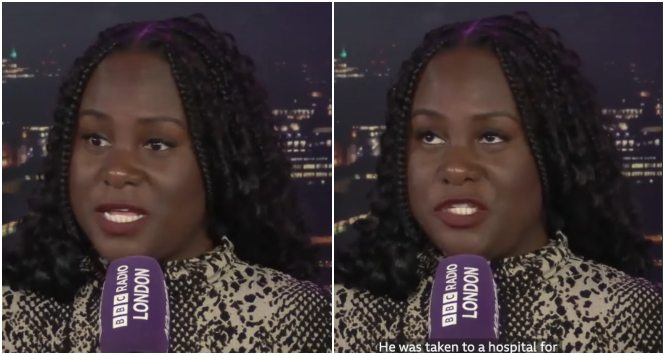
When Alicia Burnett lost her six-month-old son, Micaiah-Jelani, she says she believed the compassionate care she received afterward was standard for every grieving parent.
She later learned that many Black families navigating pregnancy and infant loss were suffering in silence without the same support.
Now, the founder of Black Baby Loss Awareness Week is using her grief to advocate for families often overlooked in conversations about maternal and infant healthcare disparities.
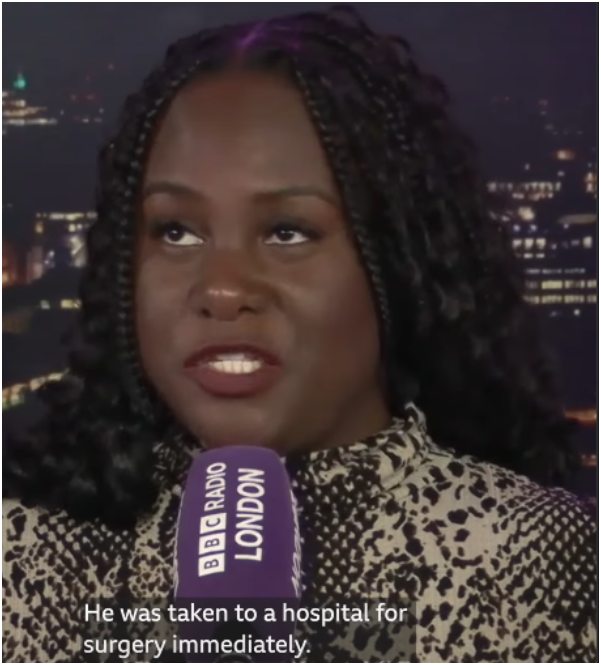
Speaking in a video shared by BBC London, Burnett opened up about the devastating journey that changed her life and inspired a movement centered on visibility, healing and support for bereaved Black parents.
“I needed to be that bridge between bereaved parents and existing support services,” Burnett said.
Burnett shared that doctors knew during her pregnancy that her son would be born critically ill, but she chose to continue the pregnancy. When Micaiah-Jelani was born in 2017, he was immediately rushed away for emergency surgery.
“I never actually properly got to meet him until he was a day old,” she recalled.
Despite his condition, Burnett described her son as “a fighter,” saying there were no stories or medical examples that reflected children surviving as long as he did.
“But unfortunately, when he was six months old, he couldn’t fight any longer,” she said. “And he died in my arms in neonatal intensive care.”
Burnett said she received strong bereavement care from healthcare professionals and initially assumed all grieving families received similar treatment. That perception changed after she began working with the pregnancy and baby charity Tommy’s, helping Black and mixed-Black heritage women through a support helpline.
“I learned very quickly that that just wasn’t true,” she said. “They hadn’t had any of the input, any of the support that I had had.”
Her experience reflects a broader public health crisis. In both the United Kingdom and the United States, Black women face disproportionately high rates of maternal mortality, stillbirth and infant loss compared to white women, with advocates and researchers repeatedly pointing to systemic racism, healthcare inequities and failures to adequately listen to Black mothers.
Burnett said too many Black families experiencing baby loss feel isolated or unsupported during unimaginable grief.
“I needed a way to let the Black community know that, yes, we are more likely to lose our babies, but there is support out there,” she explained.
Through Black Baby Loss Awareness Week, Burnett has worked to create safe spaces for grieving parents, increase awareness around racial disparities in maternal and infant health outcomes, and connect families with emotional and medical support resources.
Her story has resonated widely online, with many parents praising her vulnerability and advocacy for families navigating trauma that often remains hidden behind closed doors.
For many viewers, Burnett’s message was not only about loss, but about survival, community and making sure grieving Black parents are seen.