
A growing number of Black women are speaking out about what they describe as a worsening employment crisis, saying they are struggling to secure jobs despite years of experience, advanced education, and repeated success in competitive interview processes.
Among them is digital creator Chelle, known online as @spellchellenails, who recently shared her own experience after being unemployed for nearly a year following a corporate layoff. Her comments have resonated with many professionals who say they are facing similar challenges in an increasingly difficult labor market.
“There’s something wrong right now with the job market, especially for Black women,” Chelle said in a video posted to social media. “I have gotten to the final stage of many, many interviews. But at the end, after the technical interview, I’m told that I’m not technical enough.”
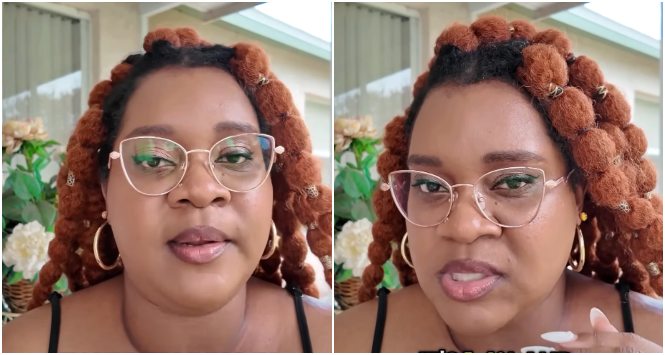
The creator said she lost her job in August 2025 and, as of June 2026, had still not secured a new position despite extensive qualifications and experience.
According to Chelle, she holds a degree in English education, is licensed to teach, and has spent more than five years working in technical engineering-related roles. She said she has repeatedly advanced through lengthy hiring processes involving assessments and multiple rounds of interviews, only to be rejected at the final stage.
“I passed the technical interview. I did an assessment. I did six different interviews, and I’m not technical enough?” she asked.
Personal Story Reflects Broader Concerns
While acknowledging that individual job searches can vary, Chelle argued that her experience reflects a larger trend affecting Black women across the United States.
“It would be different if it was just a me problem, but it’s not,” she said.
She pointed to labor data cited by the Economic Policy Institute that she says shows Black women experienced some of the largest employment losses in 2025. According to her interpretation of the findings, employment declines among Black women outpaced those of other demographic groups, particularly among women with college degrees and those working in public-sector-related occupations.
Her comments arrive amid continuing national discussions about layoffs, hiring slowdowns, and economic uncertainty affecting sectors ranging from technology to education and government services.
A Call for Visibility and Support
Rather than focusing solely on statistics, Chelle’s message centered on the emotional and financial toll prolonged unemployment can have on workers.
“I want to hear from you,” she said, inviting Black women and other people of color to share their experiences navigating the job market.
She also issued a direct appeal to those who remain employed.
“If you have any people that are a person of color or especially Black women, I challenge you to check on them. See how they’re doing,” she said. “I’ll tell you right now, they are doing worse than you can imagine.”
The statement struck a chord with many viewers who responded by sharing stories of layoffs, extended job searches, repeated rejections, and concerns about whether workplace diversity commitments have weakened amid broader economic pressures.
Questions About Equity in Hiring
Employment experts have long noted that economic downturns and hiring contractions can disproportionately affect historically marginalized groups. Black women often face the combined effects of racial and gender disparities in hiring, promotion, compensation, and job retention.
Advocates argue that the experiences being described by professionals like Chelle highlight the need for greater transparency in hiring decisions, stronger workforce development initiatives, and closer examination of barriers facing qualified candidates.
For Chelle, however, the issue is deeply personal.
After nearly a decade in corporate roles and months of unsuccessful job searching, she says the conversation must move beyond assumptions that unemployment reflects a lack of effort or qualifications.
“Black women in the U.S. are not being employed for the jobs that they deserve,” she said.
Her comments have added to a growing online conversation about who is being left behind in today’s labor market—and whether highly qualified Black women are facing unique obstacles as they seek to rebuild their careers.

