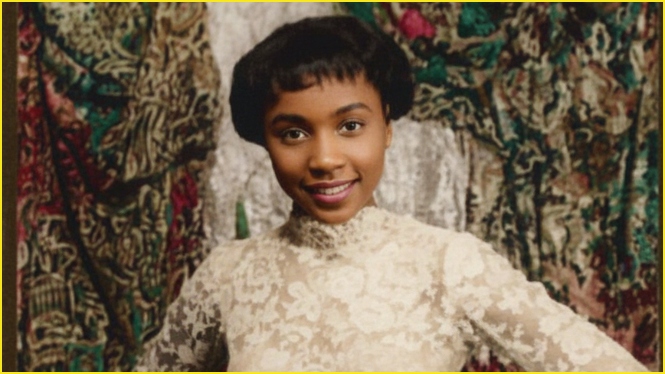
Diahann Carroll wasn’t just a star—she was a statement. She transformed the entertainment industry with elegance, talent, and a quiet defiance that reshaped how Black women were seen on stage and screen.
According to PBS Shows’ “Pioneers of Television,” Carroll, born Carol Diane Johnson in the Bronx on July 17, 1935, grew up in Harlem, where her parents nurtured her talent with dance, voice, and modeling lessons.
By age 15, she was modeling for Ebony magazine and preparing for a career that would break barriers across Broadway, television, and film.
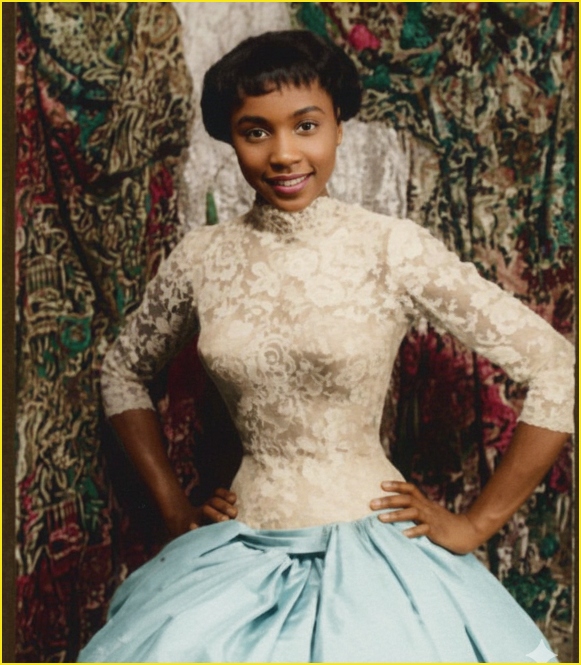
Breaking Broadway Barriers
Carroll’s first major breakthrough came on Broadway in House of Flowers (1954), but it was her role in No Strings that cemented her place in history. She became the first Black woman to win a Tony Award for Best Actress in a Musical, a groundbreaking achievement at a time when African-American performers were largely excluded from the Broadway stage.
Yet Carroll’s ascent was not without obstacles. As PBS Shows notes, she was once uninvited from a Broadway cast party because a white hostess feared her children would be “confused” by being introduced to a glamorous Black woman. Carroll’s response, as she did throughout her career, was to continue showing up with poise and excellence, letting her talent speak.
Revolutionizing Television
In 1968, Carroll became the first Black woman to lead a network television series in a non-stereotypical role with her starring turn in Julia. Playing a single, professional Black mother raising a child, Carroll’s portrayal broke away from the era’s restrictive depictions of African-American women as maids or servants.
The show’s impact was immediate. Carroll won a Golden Globe for Best Actress in a Television Series in 1968 and received the first Emmy nomination ever awarded to an African-American woman for a dramatic role in 1969.
Her rise on television came with subtle but telling challenges. PBS Shows recalls that on the first day of Julia’s production, the studio’s makeup department had no products suitable for Carroll’s skin tone—a small but emblematic sign of the systemic barriers she confronted and overcame.
A Career Defined by Grace and Influence
Beyond Julia, Carroll’s six-decade career included an Oscar-nominated performance in Claudine, a celebrated turn as Dominique Deveraux on Dynasty, and mentorship on A Different World. She consistently carried herself with a level of sophistication and composure that challenged industry norms and societal expectations.
As PBS Shows notes, Carroll’s presence alone disrupted stereotypes. By showing up fully, elegantly, and unapologetically Black, she “shifted the whole atmosphere,” opening doors for generations of actors who followed. Her life serves as a powerful reminder that representation is both personal and transformative—that breaking barriers often begins with simply showing up.
Legacy
Diahann Carroll’s story is more than a biography; it is a blueprint for change in American entertainment. From Harlem to Broadway to primetime television, she defied conventions and carved space for Black excellence in media.
Today, her legacy lives on in a more diverse and inclusive television landscape, and her career remains a testament to the power of grace, talent, and courage in the face of systemic obstacles.
This story draws on PBS Shows, Pioneers of Television: Diahann Carroll.